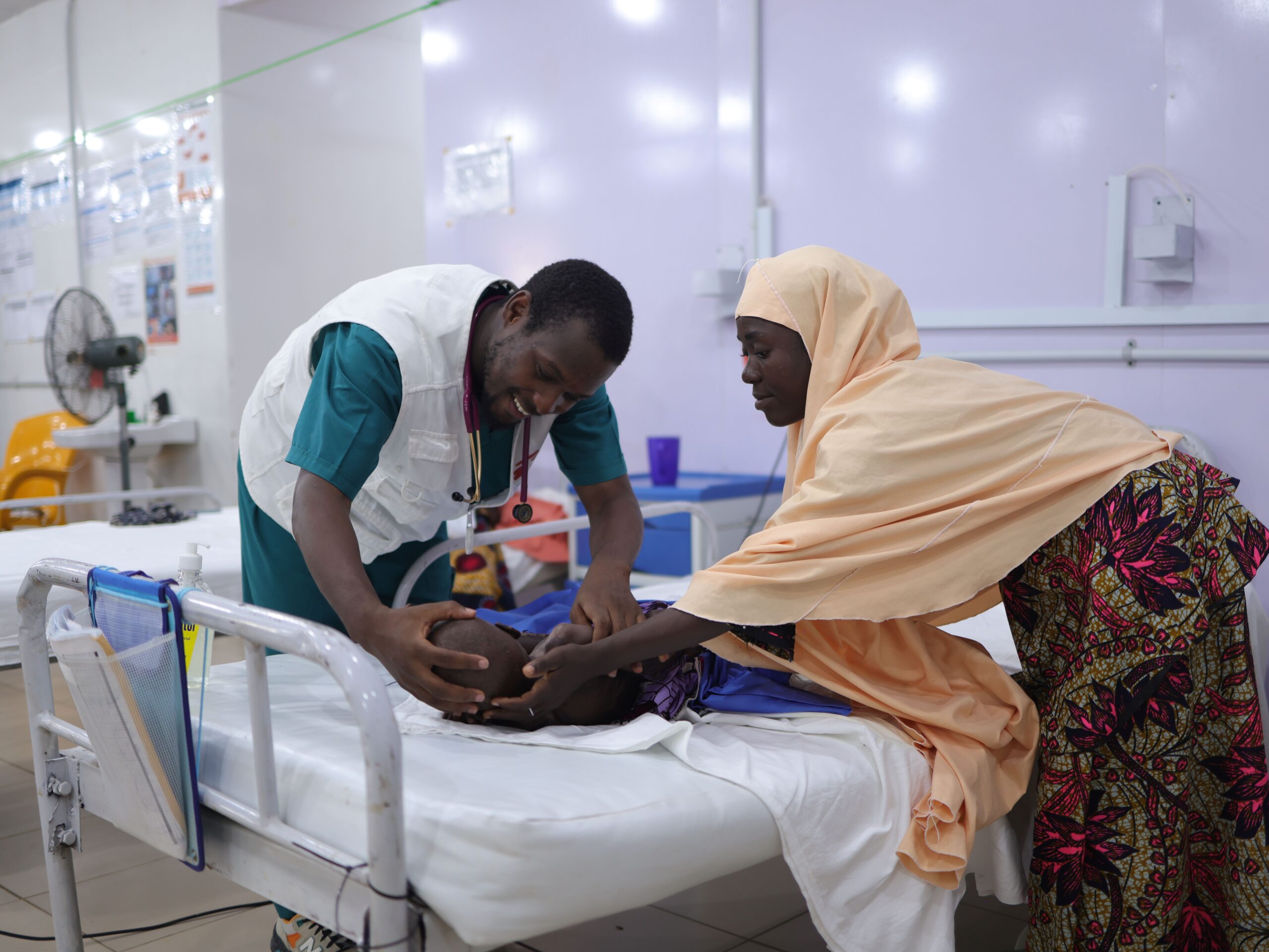
More than 87,000 children got outpatient treatment for acute malnutrition at four feeding centres run by Médecins Sans Frontières (MSF) in Katsina State from January to August.
This number is lower than the over 95,000 treated during the same time in 2025. But MSF says it is still very high.
About 15,500 children were also hospitalized for severe or complicated malnutrition in the first eight months of 2026. This is compared to around 16,500 during the same period last year.
MSF’s medical coordinator in Nigeria, Raphael Kananga, said the numbers remain concerning despite the drop.
"This is lower than in 2025, when we treated more than 95,000 children over the same period, but the figure remains extremely high and is even above what we saw two years ago," Mr Kananga stated.
These figures only cover children treated in MSF facilities. They do not show the total number of malnourished children in Katsina State.
MSF identified poverty, inflation, insecurity, displacement, disease outbreaks, and harsh weather as major reasons for the crisis. These issues have disrupted farming and made it hard for vulnerable communities to get food.
MSF also raised concern about the high number of children with kwashiorkor. This is a severe form of malnutrition marked by body swelling and sometimes skin lesions.
Caregivers may struggle to recognize this condition, which can delay treatment.
To tackle this problem, MSF opened a special unit at its inpatient therapeutic feeding centre in Katsina to care for children with kwashiorkor.
Badiyya Shafi’u, whose child received treatment there, said she did not initially see the symptoms as malnutrition.
"I didn’t think it was malnutrition. This kind of condition is difficult to recognize," she said.
Her child's situation worsened to the point he could not sit without help.
"Before, he could not even sit up on his own. If someone helped him sit, he would immediately fall back down," she remembered.
After treatment, she noted her child could sit alone, stand with help, and was even trying to walk again.
MSF did not give a separate number for the children diagnosed with kwashiorkor during this period.
MSF said part of the drop in treatment numbers is due to improved security and better harvests in some areas of Katsina during 2025.
Jean-Clément Ishimwe, the partnership coordinator, mentioned that some families displaced by insecurity in Jibia and Batsari local government areas have returned home and started farming again.
"Many people displaced from Jibia or Batsari local government areas because of insecurity had been living in areas such as Katsina, Mashi, and Mani," he explained.
"Since last year, however, they have been able to return home and resume farming."
Mr Ishimwe said this return helped some households access food more easily. This coincided with fewer patients coming to MSF treatment centres.


The organization also linked the decrease in hospitalizations to more humanitarian efforts and the opening of new treatment facilities by the Katsina State Government.
MSF supported this expansion by training health workers and strengthening services at new centres.
These efforts likely helped lower the number of children needing hospitalization before the peak malnutrition season.
But the drop in admissions does not mean there is a real drop in the overall malnutrition rates in Katsina State.
MSF recognized that the government is making more efforts to address the crisis. But it warned that lack of funding and shortages of ready-to-use therapeutic food still threaten treatment services.
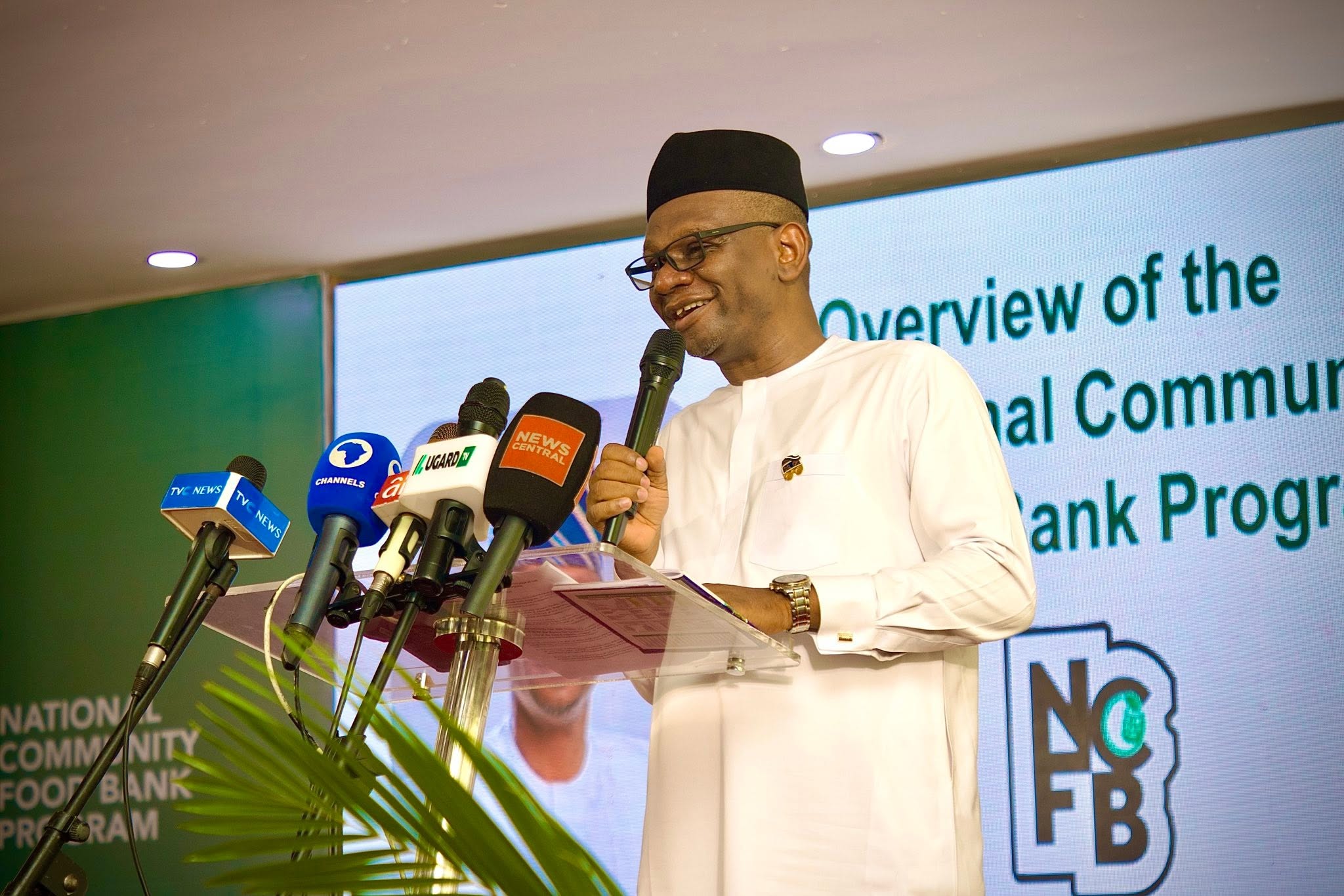
According to Mr Ishimwe, the Katsina State Government set aside ₦1 billion to fight malnutrition. This is double its previous budget, mainly for buying therapeutic food.
He added that UNICEF promised to raise an equal amount through its Child Nutrition Fund.
“Strong commitments have been made by Katsina State, including the allocation of one billion naira to fight malnutrition,” he said.
“If these commitments are fulfilled, this will be an encouraging sign that deserves to be supported and expanded across Katsina State and throughout northern Nigeria.”
The MSF report did not specify how much of the state’s ₦1 billion allocation had been released or spent, nor if UNICEF had completed its promised contribution.
The organization noted that Katsina expanded its network of treatment centres from just a few in 2021 to about 400 in 2026.
Despite this growth, funding issues and challenges in getting therapeutic food remain a big problem.
MSF pointed out that cuts in humanitarian aid from the United States and some European countries, including France, Germany, and the United Kingdom, have made it harder to keep treatment programs going.
The situation in Katsina is part of a larger childhood malnutrition crisis affecting several northern states.
Across its nutrition projects in seven northern states, MSF treated 57,999 children in inpatient facilities and 225,778 through outpatient programs between January and August.
The organization also highlighted concerns from the Nutrition Society of Nigeria. They reported that nearly two million Nigerian children are affected by severe acute malnutrition, while only about two in every 10 get treatment.
The figures mentioned by MSF reflect the society’s assessment, not a new nationwide survey by MSF.
The humanitarian organization called for ongoing financial support from federal and state governments, international donors, and humanitarian partners to expand treatment services and improve access to therapeutic food.
It warned that without continued investment, many vulnerable children will remain at risk of life-threatening malnutrition, even with the drop in admissions at its Katsina facilities.



Drop your comment
No comments yet — be the first to drop the gist 👇