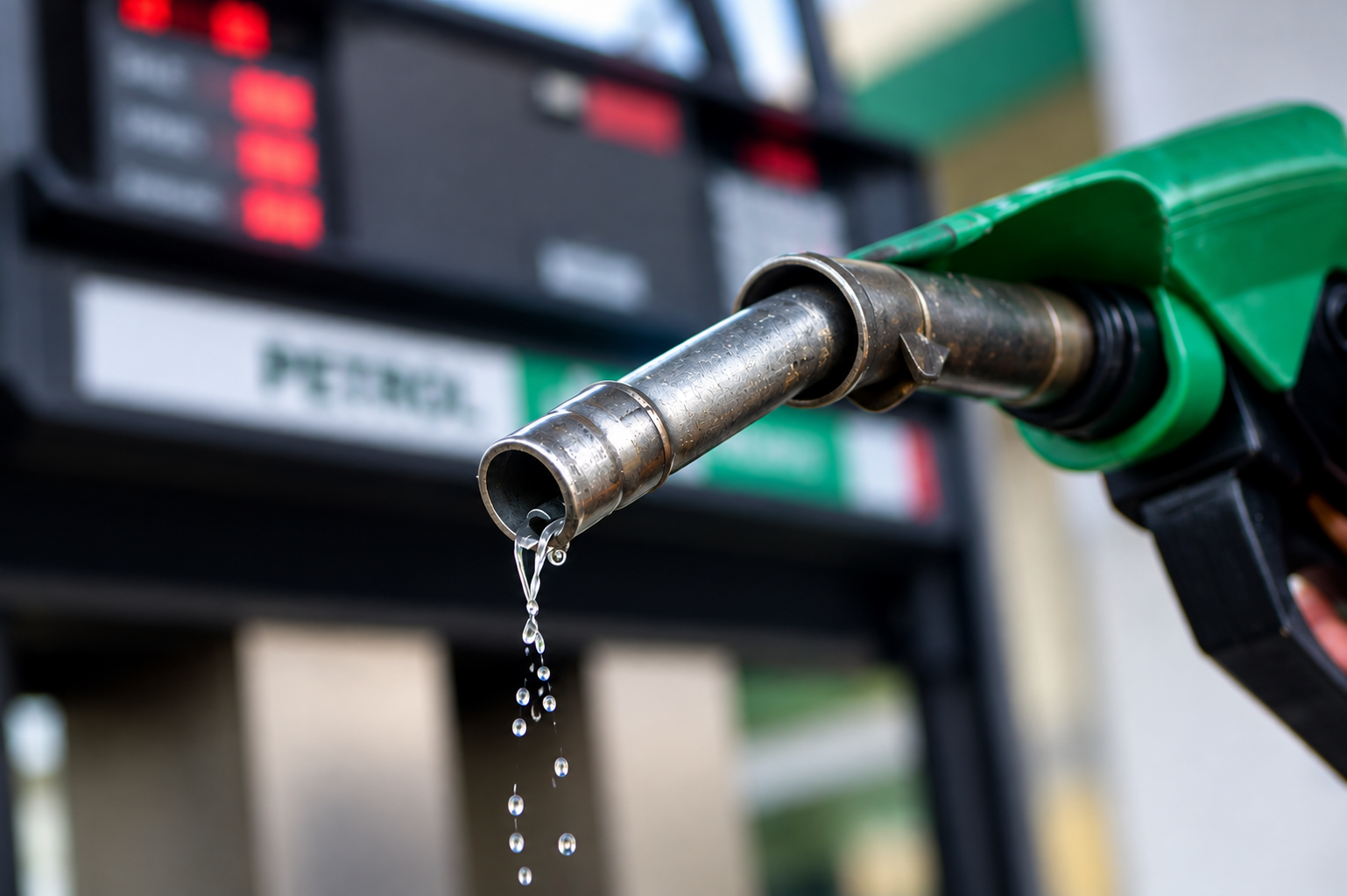
On 29 May, 2023, petrol sold for roughly ₦195 per litre at many fuel stations in Nigeria. Just days after President Tinubu said, "subsidy is gone," prices shot up. The NNPC announced new prices that ranged from about ₦488 to ₦555 per litre, depending on where you are.
Now, petrol is selling for about ₦1,230 to ₦1,300 per litre, again depending on location and filling station. If we take the higher figure of ₦1,300 and compare it to the old price of ₦195, bringing petrol back to ₦195 means we would need a subsidy of about ₦1,105 per litre.
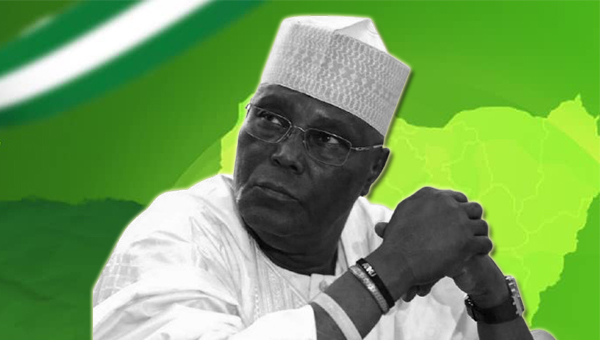
Those who want to bring back the subsidy, like Alhaji Atiku Abubakar, need to answer a key question: What price are they promising Nigerians? Are they planning to return petrol to ₦195 or suggest another price?
The numbers are important. With Nigeria consuming about 47.4 million litres of petrol daily, a subsidy of ₦1,105 per litre would cost:
₦52.377 billion every day.
This adds up to:
- ₦1.571 trillion in 30 days
- ₦19.017 trillion in a year
This is the financial commitment we are looking at if the aim is to bring petrol back to ₦195 per litre.
Another misleading argument is about increasing funds to states. Some people act like every naira a state gets must turn into dollars to matter. That’s not how public money works.
A big part of what states spend is local money that doesn’t change much with the dollar rate. This includes staff costs, pensions, and salaries. Yes, some projects and debts are affected by dollar rates, but it’s wrong to think that every increase from the federal government is wiped out by exchange rate changes.
At the same time, we must accept a key fact: Nigeria’s main source of foreign money is crude oil. Its value and the government’s revenue depend a lot on global oil prices and market conditions.
So, what’s the real issue? Some believe Nigeria's current economic struggles are all because of the removal of the petrol subsidy. I don’t agree.
Removing the subsidy surely made the cost of living harder. It raised transport costs and pushed up food prices and other goods. But Nigerians were struggling even before 29 May, 2023. The subsidy was still there, but inflation, unemployment, poor electricity, insecurity, low purchasing power, and widespread poverty were already big issues.
Fuel is just one part of Nigeria’s cost-of-living crisis, not the whole picture. Other important factors include:
- Food prices and farming output
- Exchange rate drops
- Electricity costs and lack of reliable supply
- Transport
- Housing and rent
- High interest rates and costly credit
- Unemployment and low wages
- Insecurity
- Taxes, fees, and multiple charges
- Poor infrastructure and logistics
- Healthcare and education costs
- Government debt and fiscal pressure
Because of this, bringing back the petrol subsidy won’t solve everything. In fact, a broad subsidy could create more problems. It might take away money that should go to healthcare, education, infrastructure, social support, electricity, and investment.
This brings me to a worrying trend in political discussions. There seems to be a push to make "subsidy reinstatement" look like the answer to Nigeria’s economic issues. But they don’t explain what price petrol will be sold at, the yearly cost, and how they will avoid the corruption that came with the old system.
If we genuinely care about helping Nigerians, we should focus on supporting the move away from subsidy, not just keeping consumption cheap forever.
What should the government do?
- Lower food costs.
- Improve electricity supply.
- Provide affordable public transport.
- Give money directly to vulnerable families.
- Cut taxes and fees in fuel distribution.
- Boost local refining.
- Help small businesses manage high energy and financing costs.
- Increase wages smartly, without causing more inflation.
- Cut government waste and use savings for citizens.
If we can achieve these goals, Nigerians can rely less on cheap petrol to get by. The government doesn’t have to keep petrol cheap forever. It should make transport, electricity, food production, and household incomes less reliant on cheap petrol.
This is the kind of talk I want to hear from serious presidential candidates in 2027. Not just: "We will bring back subsidy."
They should tell us:
- At what price?
- At what annual cost?
- Who is going to pay for it?
- How will they stop the old subsidy problems?
And most importantly:
- What will they do to make Nigerians less affected by petrol prices?
Let’s shift the debate away from political tricks to real, measurable, and sustainable solutions. Otherwise, I will keep thinking that some of these talks are more about getting votes than actually solving Nigeria’s problems. We cannot keep waiting for someone to come and magically fix everything. We must do the hard work ourselves.
Drop your comment
No comments yet — be the first to drop the gist 👇