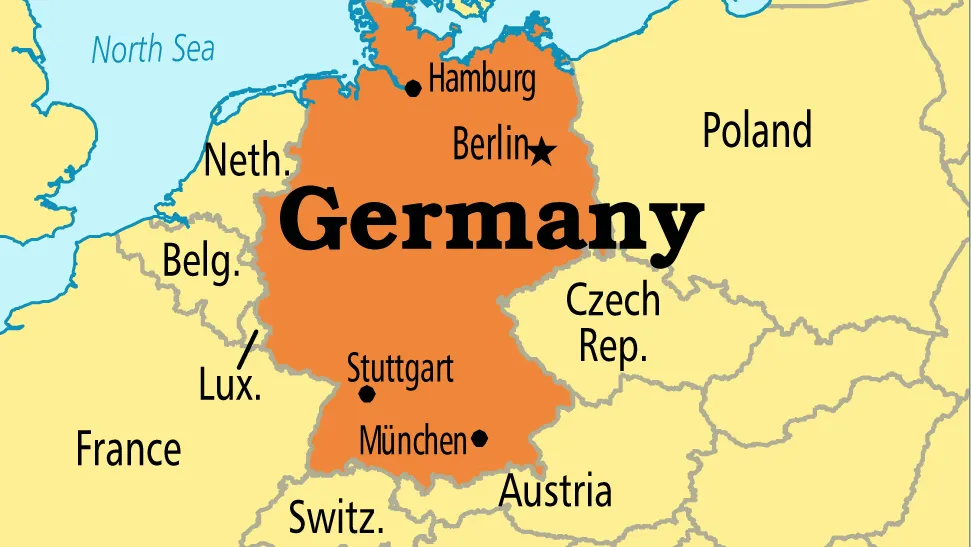
Germans started voting on Sunday in two state elections. The far-right and far-left parties might shake things up in Berlin and challenge Chancellor Friedrich Merz’s government.
Merz, who is 70, has called a crisis meeting with his centre-right CDU party leaders. They will discuss the first results from the regional elections in Berlin and Mecklenburg-Western Pomerania.
The chancellor has been in office for 16 months. He has cleared his schedule for the next few days and even skipped a trip to the UN General Assembly. This is to manage any fallout from the elections.
The far-right Alternative for Germany (AfD) party, which is pro-Trump and friendly with Moscow, recently dealt a big blow to Merz’s CDU in Saxony-Anhalt. This defeat has raised doubts about Merz’s support within his party.
Merz’s approval ratings have dropped sharply. He has struggled to implement promised economic and social reforms with his centre-left partners, the SPD. Polls suggest the AfD will gain more ground on Sunday, but it is not expected to gain power in either state. In Saxony-Anhalt, the AfD was just a few seats shy of an outright majority.
Polling stations opened at 8:00 am (0600 GMT) and voting will end at 6:00 pm.
Merz got some much-needed backing from CDU leaders on Wednesday. Eight state premiers said Germany needs “stability now more than ever” instead of “discussions about personnel.” But they did not publicly endorse Merz.
The CDU faces unique challenges in both states. In Mecklenburg-Western Pomerania, Merz’s party is watching the main contest between popular state premier Manuela Schwesig’s SPD and the AfD. According to public broadcaster ZDF, the AfD was polling at 36 percent while the SPD had 37 percent. Merz’s CDU was at just six percent, close to missing the five percent threshold to remain in the state parliament.
If the CDU falls below that line, it would be a historic first and put serious pressure on Merz.



In Berlin, the CDU is in a tight race against the far-left Die Linke. Die Linke promises strong actions to tackle a serious housing crisis and appeals to younger voters. A loss for the CDU in Berlin would be another setback for Merz, especially against Die Linke, which seeks to reduce corporate influence and has ties to Moscow.
When Merz took office in May last year, he promised to boost the economy, strengthen the military to deter Russia, and cut irregular immigration to win back voters from the AfD. But now, the AfD leads in national polls, and Merz’s approval ratings are just above 10 percent. His straightforward remarks have not helped his image.
Pollster Roland Abold from Infratest Dimap said, “In personal terms, the situation is quite dramatic for Merz.” He noted that in a recent survey, only 13 percent of people were satisfied with Merz’s performance. These are the lowest numbers for any sitting chancellor.
Some experts believe most of Merz’s issues come from outside Germany. The wars in Ukraine and the Middle East have caused energy prices to skyrocket, leading to a cost-of-living crisis.
Fears about Russia have pushed Germany to ramp up its military spending, partly due to US President Donald Trump’s unfriendly stance towards European NATO allies. Additionally, China’s rapid growth is turning a traditional German market into a tough competitor.
Berenberg bank chief economist Holger Schmieding said, “Tough luck for Friedrich Merz.” He added that the recent surge in fuel prices and the discussion about Merz’s future are making his situation worse. Trump and Putin “have triggered the crises that have sent oil and gas prices into the stratosphere.”
“Even though parts of the right-wing AfD are close to both of them, voters tend to blame the ruling coalition led by Merz,” Schmieding said. Still, he thinks it is likely Merz will get through this political storm and serve his full term until 2029.

Drop your comment
No comments yet — be the first to drop the gist 👇