The Federal Government has announced that it has fulfilled all 41 health sector commitments from the Nigeria Health Sector Renewal Investment Initiative. Improvements were noted in 12 out of 13 indicators tracked under this program.
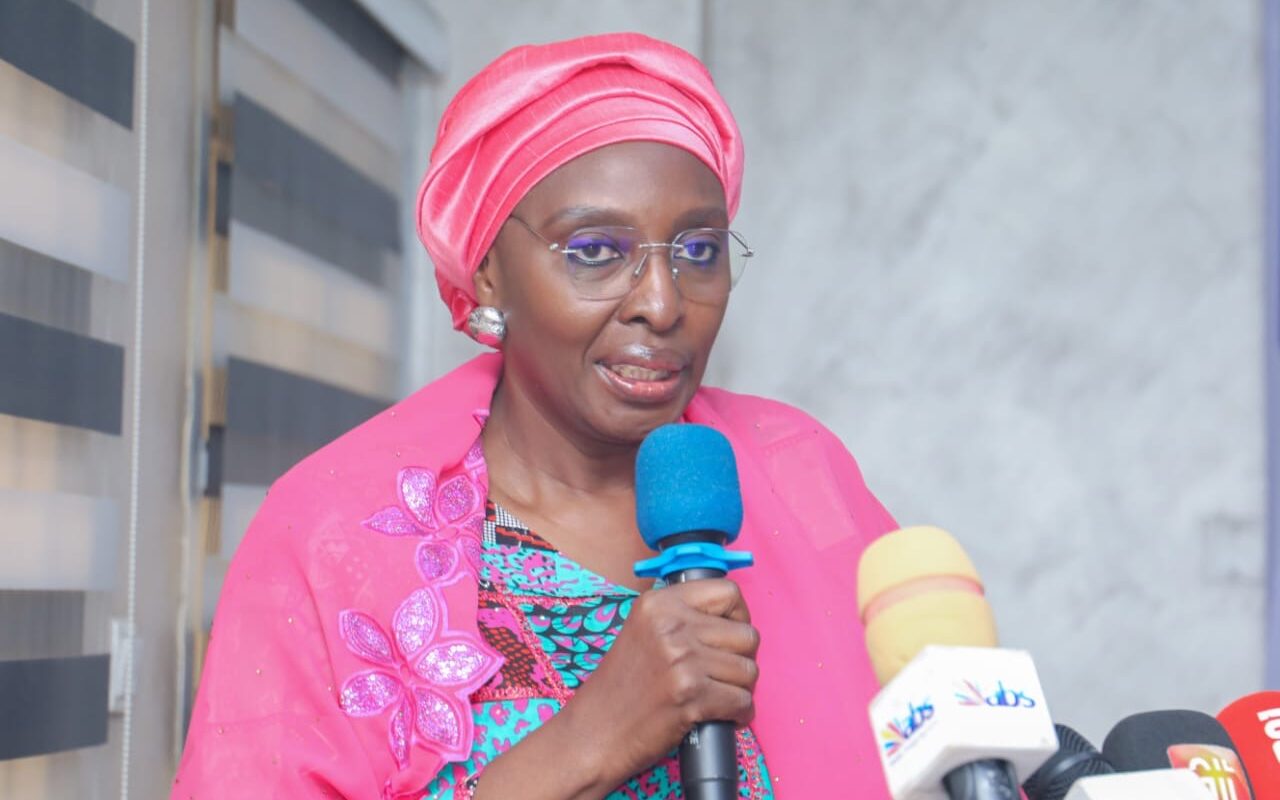
Daju Kachollom, the Permanent Secretary of the Federal Ministry of Health and Social Welfare, shared this information on Thursday. She spoke at the 10th Annual Health Conference of the Association of Nigerian Health Journalists (ANHeJ) in Abuja.
President Bola Tinubu started this initiative in December 2023. This was part of efforts to enhance healthcare delivery, boost health financing, and improve health outcomes nationwide.
The initiative was launched with the signing of the Health Sector Renewal Compact. This agreement included the president, all 36 state governors, and development partners. They committed to one plan, one budget, and one report under a sector-wide approach.
"Three years on, all 41 presidential health sector commitments have been achieved, and 12 of the 13 indicators we tracked have improved," Mrs Kachollom stated.
Health sector reforms
Mrs Kachollom pointed out that 3,526 primary healthcare centres have been revitalised. An additional 900 centres are currently being rehabilitated.
She noted that the number of facilities supported by the Basic Health Care Provision Fund (BHCPF) in 172 local government areas increased from 12 percent to 91 percent. These areas have at least two midwives or community health extension workers.
Between 2023 and 2025, maternal deaths declined by 17 percent, and newborn deaths dropped by 12 percent in these 172 LGAs. These local areas account for more than half of the maternal deaths in the country.
On immunisation, she mentioned that measles and rubella vaccinations have reached 100 million children. Also, over 17 million girls have received the Human Papillomavirus (HPV) vaccine.
The government has commissioned 10 factories and manufacturing lines. These will help increase local production of medicines, diagnostic products, mosquito nets, and medical oxygen.
States have raised their combined health budgets from N1.97 trillion in 2023 to over N3.3 trillion in 2026. Mrs Kachollom emphasised that keeping these achievements going will need solid financing, implementation, and accountability at all government levels.
Ongoing challenges
Despite the progress, Mrs Kachollom admitted that many challenges still affect healthcare delivery in Nigeria.
She said childhood stunting remains high, impacting about four in 10 children under five years old. Only about one in 10 Nigerians have health insurance.
The high cost of healthcare services and uneven distribution of health workers make it hard for people to access quality healthcare.
She expressed concern over the poor follow-up on resolutions made by the National Council on Health. The ministry only received 412 of the 740 reports expected on the implementation of resolutions from the previous council meeting. Ten states had implementation scores below 40 percent.
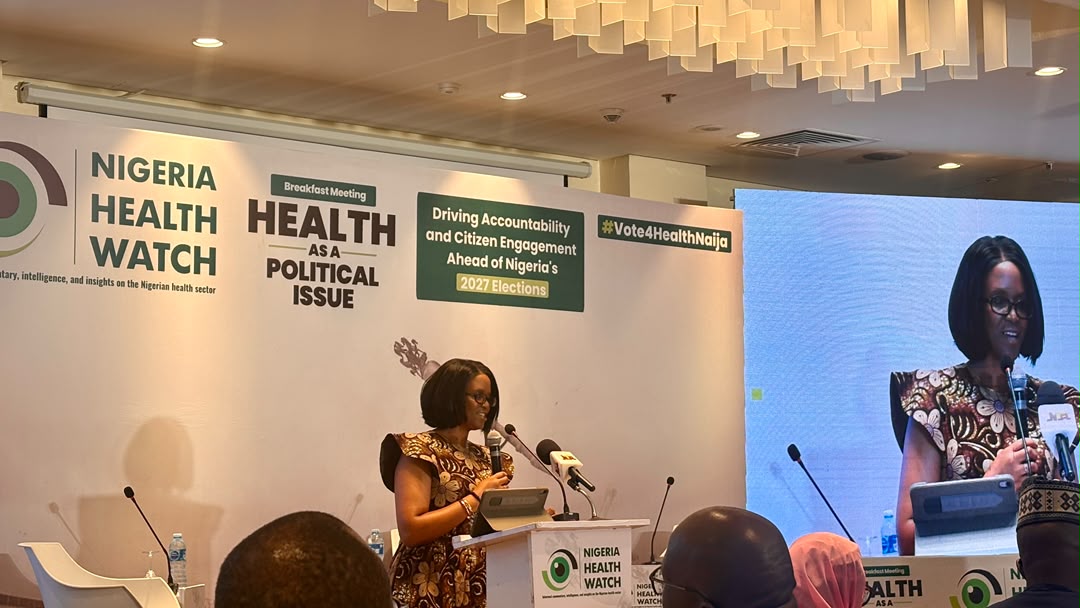


"A resolution that is never implemented is just another announcement," she said.
Mrs Kachollom noted that the recent 67th National Council on Health adopted recommendations. These include creating a unified national framework to sustain health campaigns, standardised incentives for health workers, and digital payments.
Ensuring accountability
Mrs Kachollom urged journalists to check government claims independently. They should visit healthcare facilities to see if they function well and if public investments have improved healthcare.
"When we announce a revitalised facility, we expect you to go and look at it," she said.
"When your state makes a commitment at the council, ask a year later what became of it. Ask what has changed, for whom, and how much. If the answer is nothing, tell Nigerians and tell us."
The ministry will continue to provide health sector data through platforms like the Primary Healthcare Functionality Dashboard and the Joint Annual Review Scorecard.
She also announced the publication of the 2023 to 2024 National Health Accounts. This will show how much Nigerians spend on healthcare and who pays for it.
She urged journalists to evaluate the government's performance against its Health Sector Strategic Blueprint. 2027 will be the last year of its implementation.
"Let us shift the conversation from what the government announced to what actually changed. Let's talk about how much was invested and what it achieved, and from what facility was commissioned to how many lives are better or saved," she said.
Health journalists' commitment
Earlier, Joseph Kadiri, the President of ANHeJ, said the success of government actions should be measured by fewer maternal and child deaths. Access to quality healthcare, affordable medicines, and functional primary healthcare facilities should also be priorities.
Mr Kadiri stated that health journalists have a duty to scrutinise government policies, track public investments, and amplify the voices of vulnerable groups.
"As health journalists, we are not merely reporters of government announcements. We are responsible for asking tough questions, examining narratives to ensure they are based on evidence, tracking public investments, and bringing critical health issues to policymakers and the public's attention," he said.
He expressed the association's willingness to work with the BHCPF gateways and the Ministerial Oversight Committee. This partnership aims to monitor health sector actions across Nigeria and support accountability efforts through visits to healthcare facilities.


Drop your comment
No comments yet — be the first to drop the gist 👇