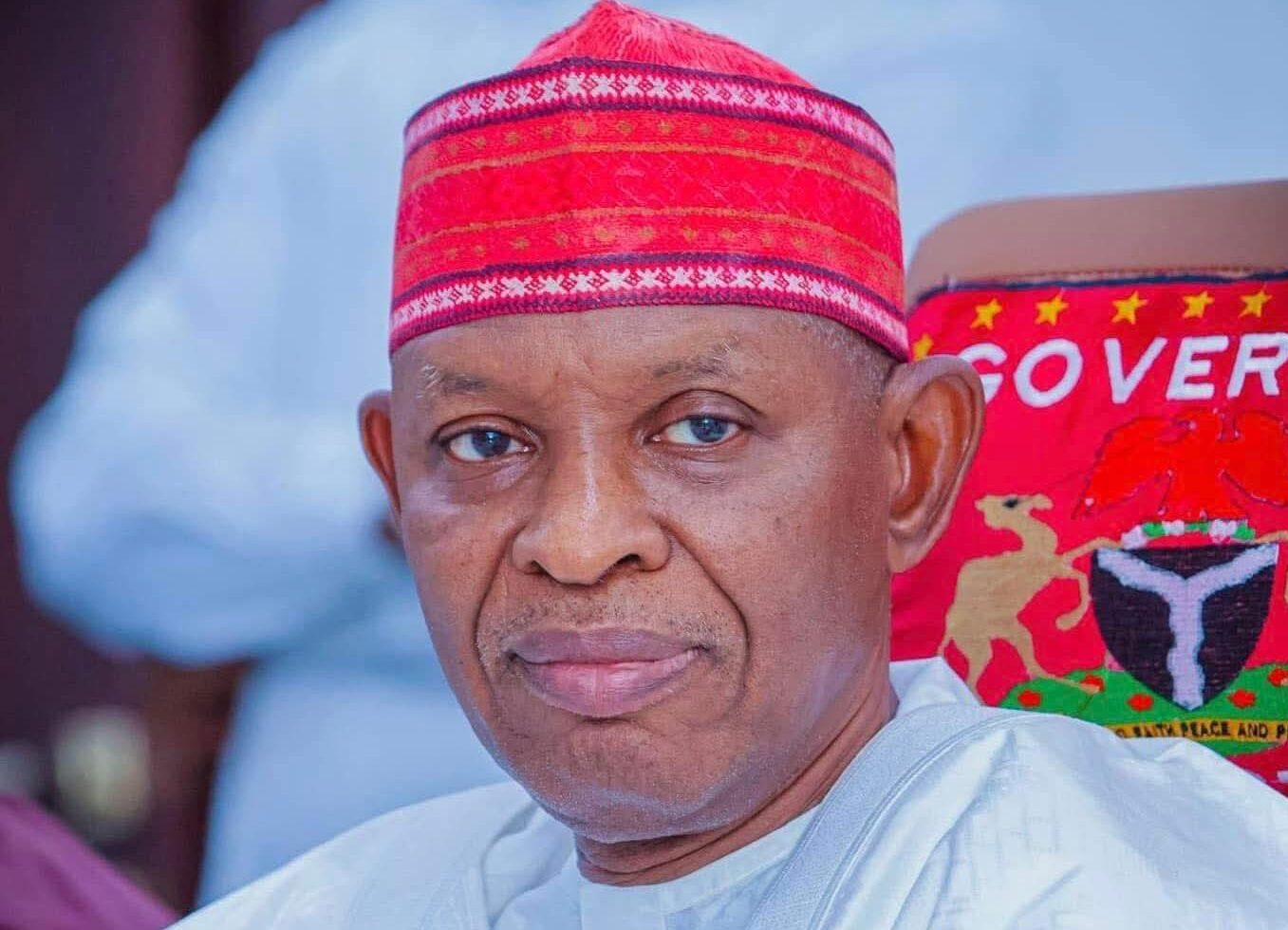
The Kano State campaign council of the All Progressives Congress (APC) has asked the National Judicial Council (NJC) to reject a petition. This petition wants the NJC to investigate the January 2024 Supreme Court judgement that confirmed Governor Abba Yusuf’s election in 2023.
The petition is dated 24 November and was sent by Suleiman Malali from Kaduna on behalf of a group called “Concerned Nigerian Citizens.” It was addressed to the NJC Chairman through the Chief Justice of Nigeria.
In a statement released on Wednesday, signed by spokesperson Sanusi Majidadi-Kiru, the APC council called the petition flawed and said it lacks credible evidence.
The petition asks the NJC to look into claims made by Governor Abba Yusuf during a recent BBC Hausa interview. The petitioners allege that the governor said he was told by his political mentor to negotiate with President Bola Tinubu. They also claim he swore with the Holy Qur’an to join the APC if the president made sure the Supreme Court ruled in his favor.
The petitioners argue that the governor implied the judgement, which overturned earlier rulings that nullified his election, was based on that agreement. They say this led to his switch to the APC.
While the petition does not seek to overturn the Supreme Court’s final decision as stated in Section 235 of the 1999 Constitution, the group believes the governor’s claims raise serious issues about judicial independence and ethics.
The petitioners said, “We do not assert as fact that any Justice was compromised. We assert that the allegation is of such gravity that silence by the Council would itself further erode public confidence in the Judiciary.”
They called for “appropriate disciplinary sanctions if any judicial officer is found culpable, or issue a clear public statement exonerating the Justices if no misconduct is established.” The petition was also sent to the Chief Justice of Nigeria, the President of the Nigerian Bar Association, the Attorney-General of the Federation, and the National Assembly Committee on Judiciary.
The PGCC responded by saying the petition misrepresented the governor’s comments in the BBC Hausa interview. “In the interview, the Governor reportedly stated that his former political mentor, Rabiu Kwankwaso, instructed him to assure President Bola Tinubu that they would return to the APC if the President refrained from interfering in the 2023 Kano governorship litigation, provided the outcome favored them.”
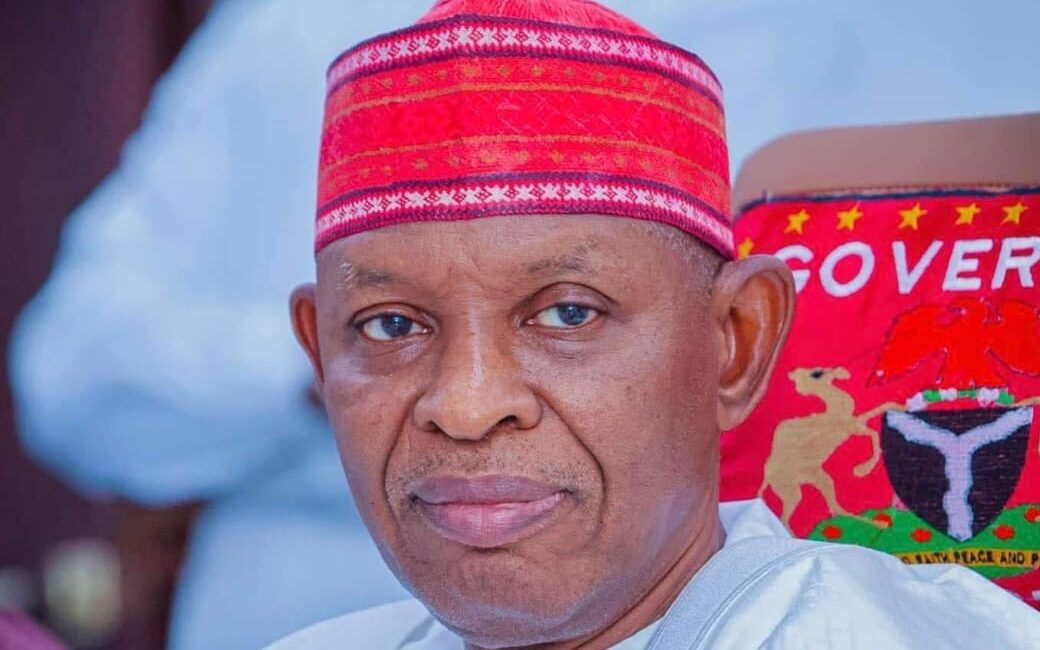
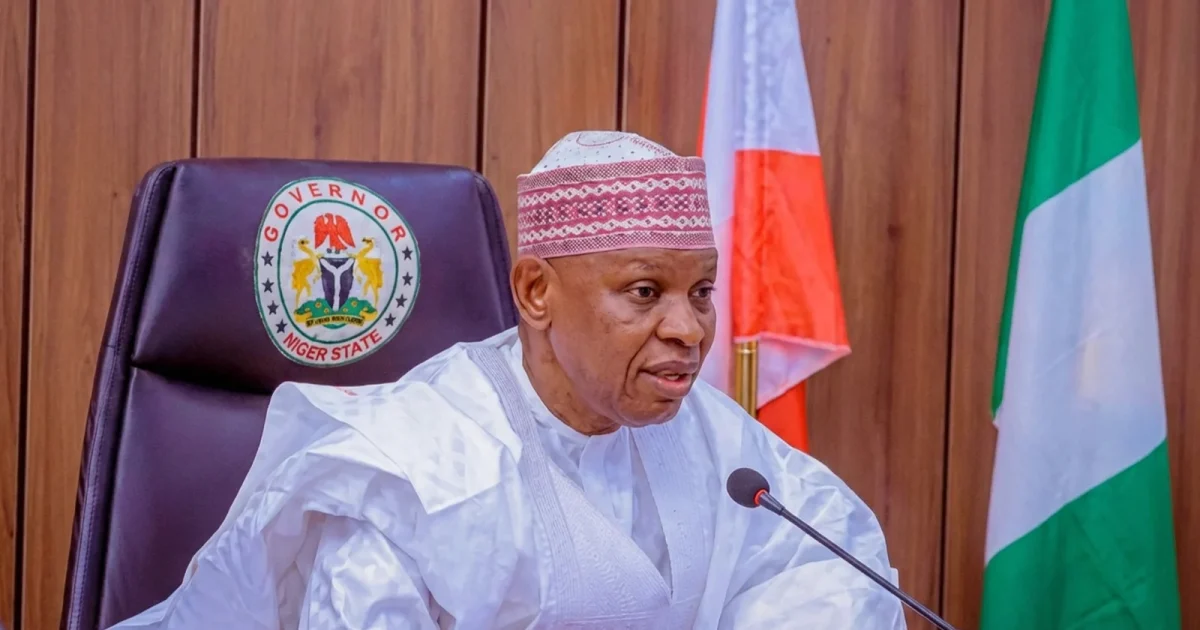
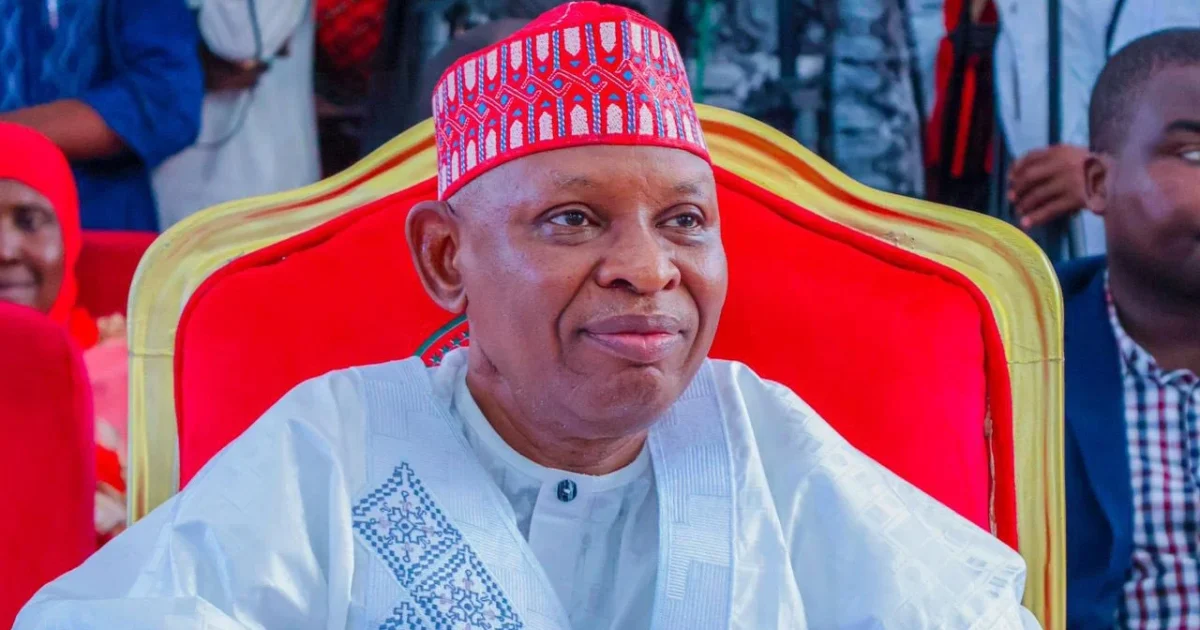
Mr Kiru added, “The petitioners have, however, substituted presidential non-interference with presidential intervention to procure a favourable judgement.” He explained that these are two very different things that have different legal meanings.
The APC challenged the petitioners to identify any Supreme Court Justice involved in the alleged negotiation. They asked for evidence of any improper communication or unlawful presidential orders. They also asked for a verified copy of the BBC Hausa interview.
The Council referred to Sections 131, 133 of the Evidence Act 2011, stating that the burden of proof lies with the accuser. “Political discussions between politicians do not constitute judicial negotiations, subsequent political realignment does not establish judicial corruption, and the delivery of a favourable judgment does not constitute evidence of external interference,” the statement said.
The PGCC pointed out that Governor Yusuf won the 18 March 2023 election with 1,019,602 votes against his closest rival’s 890,705 votes, a margin of 128,897 votes. The Supreme Court’s January 12, 2024 verdict (Appeal No. SC/CV/1179/2023) settled major questions of electoral law, including 165,616 deducted votes and issues about lower court jurisdiction over party membership.
The APC argued that asking the NJC to review a Supreme Court decision goes against Section 235 of the 1999 Constitution, which establishes that Supreme Court decisions are final. They also noted that Paragraph 21, Part I of the Third Schedule gives the NJC disciplinary, but not appellate, powers.
The council cited Regulation 18 of the Judicial Discipline Regulations 2017, which allows dismissal of complaints that only challenge judicial decisions without evidence of wrongdoing. They also mentioned that the petition was filed more than 34 months after the judgement, which is beyond the six-month limit set by Regulations 11 and 12. It also lacked a verifying affidavit or supporting documents as required by Regulation 14.
Finally, they pointed out that the petitioners’ demand for Governor Yusuf to testify under oath ignores the immunity provisions of Section 308 of the Constitution, as confirmed in Fawehinmi v. Inspector-General of Police (2002). Mr Kiru concluded, “Non-interference is not interference; political negotiation is not judicial compromise; and speculation is not legal evidence.” He urged the NJC to dismiss the petition at the preliminary stage if it is formally submitted.



Drop your comment
No comments yet — be the first to drop the gist 👇