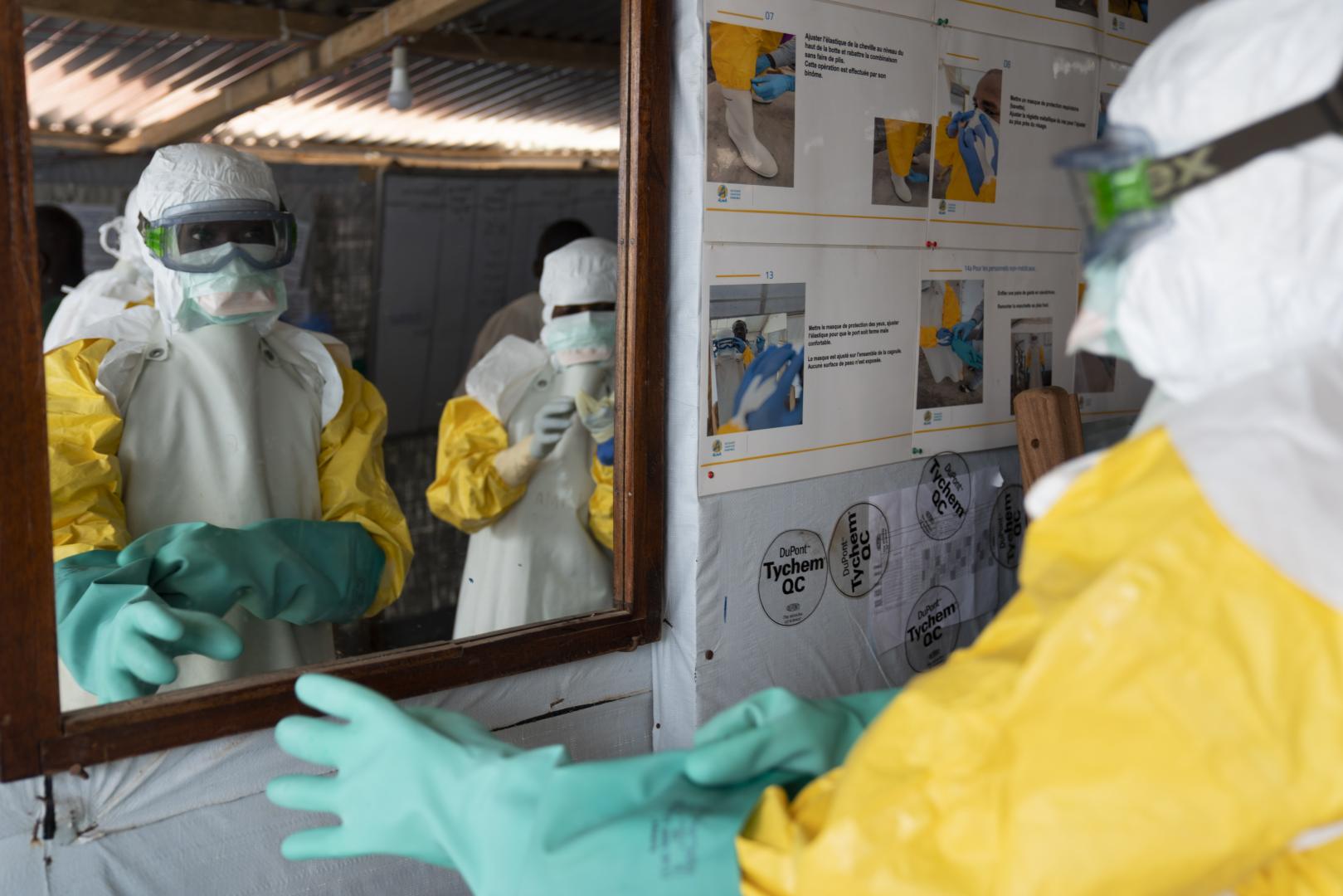
October was a significant month for Nigeria's health sector. The confirmation of an Ebola case in Abuja led to renewed disease surveillance, contact tracing, and emergency response efforts.
Concerns grew about Nigeria's reliance on imported pharmaceutical ingredients, child malnutrition, and challenges in maternal and child healthcare.
Meanwhile, the Ebola outbreak in the Democratic Republic of the Congo (DRC) continued to raise worries about health security in the region.
PREMIUM TIMES looks back at the key health events that shaped October.
Nigeria confirms first Ebola case in over a decade
On 20 October, Nigeria confirmed its first Ebola case since 2014. The patient is a 42-year-old woman originally from Uganda, now living in Abuja. She had recently returned from a trip to Uganda.
This confirmation led to contact tracing, increased surveillance, and infection prevention measures at healthcare facilities. The Nigeria Centre for Disease Control and Prevention (NCDC) initially found 44 close contacts, with the number rising as investigations progressed.
Ebola patient evacuated to Switzerland
The Ebola patient and her husband were medically evacuated to Switzerland on 26 October. This followed her treatment in isolation in Abuja.
The patient was taken to Geneva University Hospitals, while her husband was placed in isolation at University Hospital Zurich. After the evacuation, the World Health Organisation (WHO) confirmed that Nigeria had no active confirmed Ebola cases, but surveillance and monitoring for exposed contacts continued.
NCDC expands health declarations for international travellers
The NCDC expanded health declaration requirements for all international travellers after the Ebola case was confirmed in Abuja. The agency stated that this measure aimed to improve screening at entry points and help identify potential infections early.
It also called on healthcare facilities to isolate suspected cases quickly and enhance infection prevention measures.
Suspected Ebola cases in Adamawa test negative
On 31 October, the NCDC announced that two suspected Ebola cases in Adamawa State tested negative after two rounds of laboratory testing. The cases involved a 34-year-old pilot and his wife, a doctor, who were admitted to an isolation facility at Modibbo Adama University Teaching Hospital in Yola after showing symptoms of Ebola.

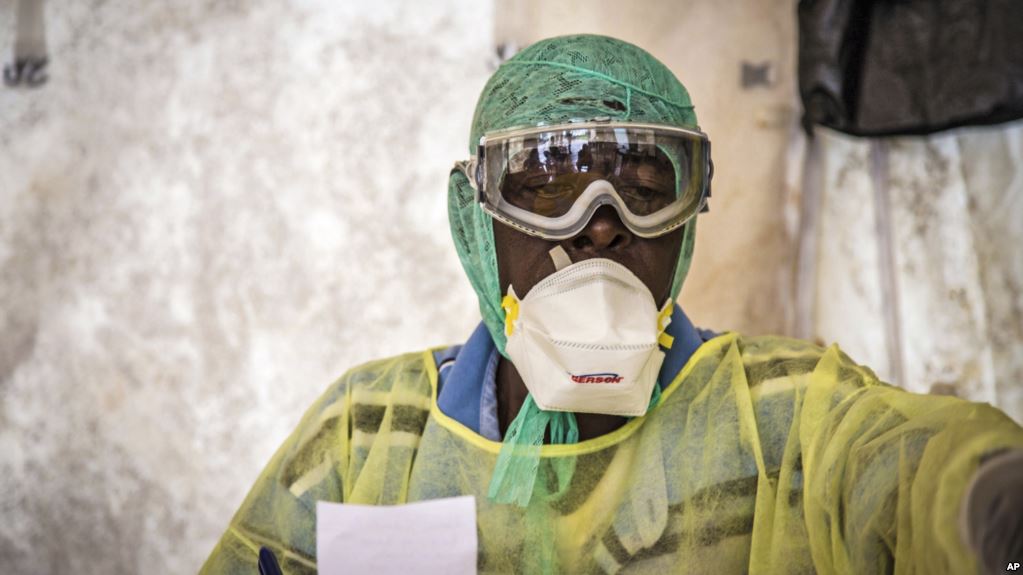

The Abuja case remains Nigeria's only confirmed Ebola infection during this outbreak.
FG clarifies N10 billion emergency disease response funding
The NCDC clarified that the N10 billion emergency fund approved by the federal government was meant to boost preparedness and response for Ebola, Lassa fever, and other emerging diseases. The agency explained that the funding would support surveillance, laboratory diagnosis, protective gear, emergency operations, and the rehabilitation of isolation facilities.
This clarification came as questions arose about how the emergency funds were being used after the Ebola confirmation in Abuja.
Child malnutrition admissions rise in North-east
The International Committee of the Red Cross (ICRC) reported an 18 percent rise in malnutrition admissions at 10 health facilities in North-east Nigeria. These facilities recorded nearly 20,000 admissions from January to September 2026, compared to about 17,000 in the same period in 2025.
Children, pregnant women, and breastfeeding mothers were among the most affected. This highlights the ongoing impact of insecurity and food shortages on vulnerable communities.
FG partners US foundation to mobilise $1 billion against malnutrition
The federal government announced a partnership with the US-based Operation End Starvation initiative. This partnership aims to raise more than $1 billion to combat child malnutrition and starvation-related deaths across sub-Saharan Africa.
Nigeria is a priority country under this initiative, which aims to secure funding over the next two years. The government stated that this partnership would support existing efforts to address hunger and acute malnutrition among children, pregnant women, and breastfeeding mothers.
Imported drug ingredients raise medicine security concerns
Health and pharmaceutical experts have warned that Nigeria's reliance on imported active pharmaceutical ingredients (APIs) might threaten medicine security. This could expose the country to global supply disruptions.
At a meeting organized by Nigeria Health Watch in partnership with the World Bank Group, stakeholders urged for more local production of essential pharmaceutical ingredients. They pointed out that poor infrastructure, unreliable electricity, financing issues, and regulatory challenges hinder local manufacturing.



Drop your comment
No comments yet — be the first to drop the gist 👇