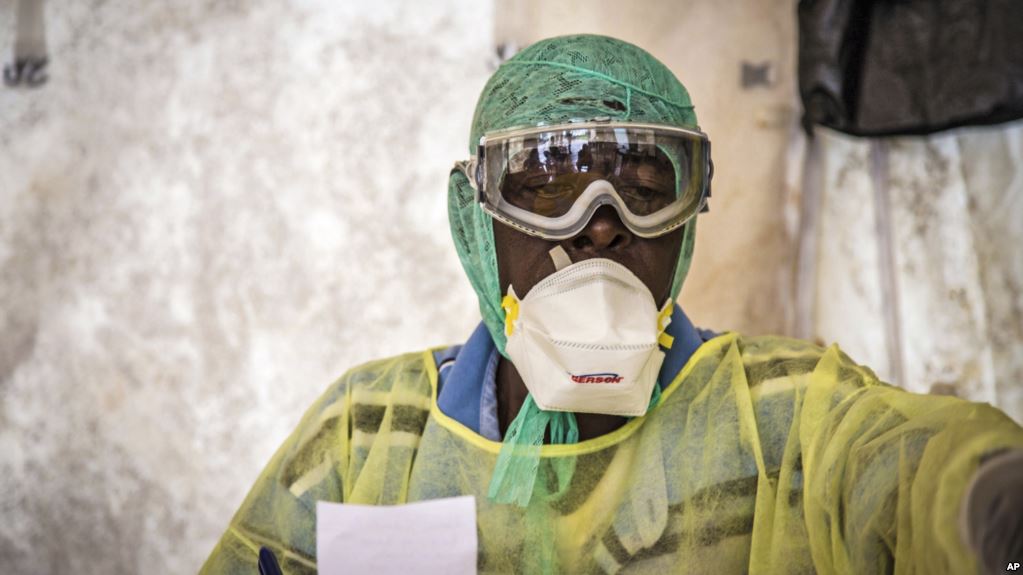
The World Health Organisation (WHO) has promised to support Nigeria in handling Ebola after the country confirmed its first imported case of the disease.
In a statement on its website, the global health agency said it is working with Nigerian health authorities and partners to improve response efforts. This includes case investigation, contact tracing, and preventing infection.
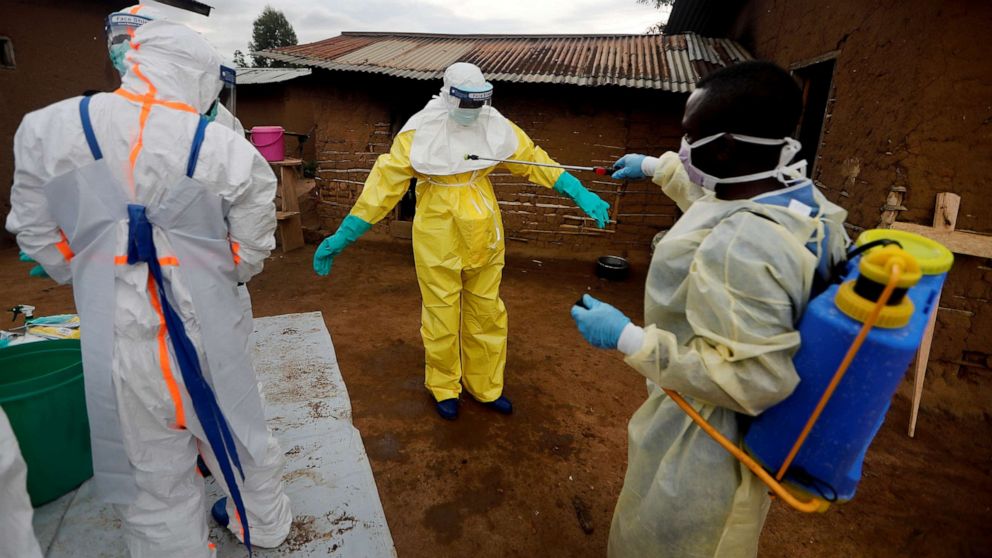
WHO mentioned that its support would also provide essential supplies, like personal protective equipment for health workers.
This news comes as Nigeria is now the fifth country to report Ebola linked to an outbreak declared in the Democratic Republic of the Congo (DRC) on May 15.
The Nigerian government confirmed that a woman who recently traveled from Uganda on an international flight tested positive for Ebola. She is now getting treatment in isolation at a private hospital in the Federal Capital Territory (FCT).
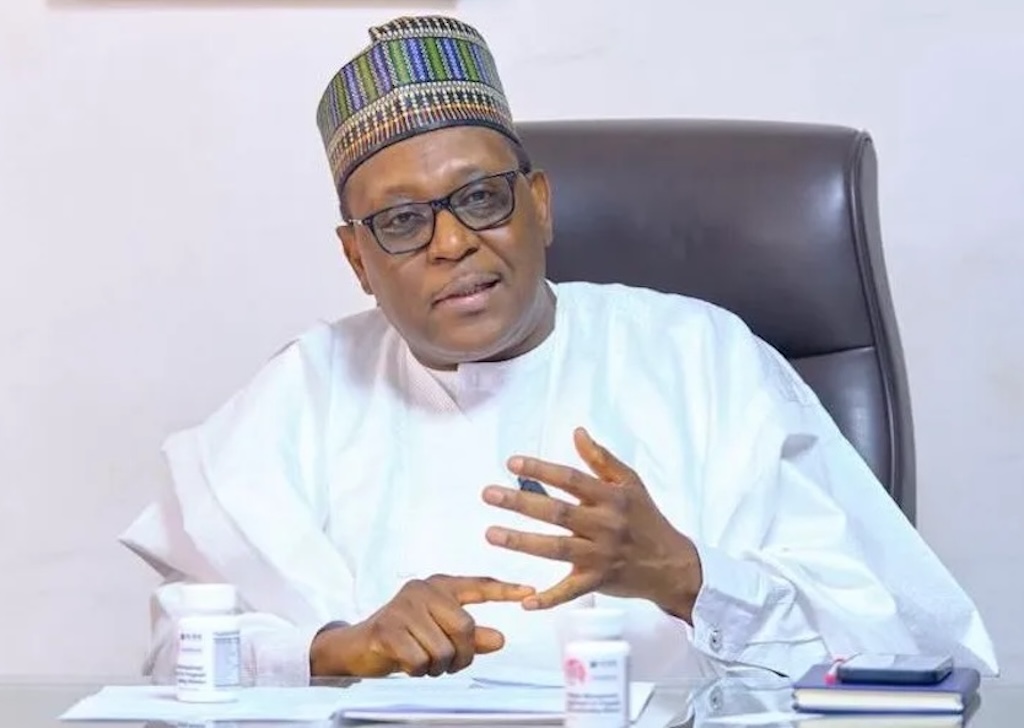
The Coordinating Minister of Health and Social Welfare, Muhammad Pate, said the woman showed no symptoms during her flight but fell ill after arriving in Nigeria.
Mr Pate also stated that officials have identified 44 contacts of the patient, who are now in quarantine.
Boosting surveillance
WHO noted that ongoing preparedness and better surveillance at points of entry are important to catch cases early. This helps to stop further spread and protect healthcare workers and communities.
The agency urged countries in the region to stay ready as the outbreak in the DRC changes.
WHO called on governments to keep disease surveillance systems active, quickly investigate alerts, and ensure laboratories can safely test suspected cases. It also asked countries to have rapid-response and clinical teams ready and to strengthen infection control in health facilities while ensuring essential supplies are available.
The agency also highlighted the need to involve communities in the response efforts.
Despite the outbreak, WHO advised against travel or trade restrictions on affected countries.
Nigeria’s response
Nigerian health authorities have started taking steps to limit further spread of the disease.
The private hospital where the patient went for treatment is boosting its infection prevention and control measures. At the same time, the Nigeria Centre for Disease Control and Prevention (NCDC) has activated its incident management system to coordinate the response.
Health officials are also collaborating with the aviation sector to get passenger lists and identify people who may have been exposed during the patient's journey.

In its statement about the case, the federal government said it is working with FCT authorities and other partners to protect healthcare workers, patients, and the public.
The government pointed to Nigeria's experience in managing the 2014 Ebola outbreak while emphasizing that public cooperation is key to stopping further spread.
It said investigations are ongoing and that the Presidential Task Force on Ebola Virus Disease and the NCDC will provide more updates.
Members of the public who need information or want to report a suspected case have been advised to call NCDC’s toll-free line, 6232, which operates 24/7.
Ebola is a serious infectious disease that can cause severe illness and death. Early detection, proper medical care, and effective public health measures are crucial for better patient outcomes and limiting the spread of the disease.
Nigeria’s previous outbreak
Nigeria's first Ebola outbreak began in 2014 when an infected traveler from Liberia arrived in Lagos. Authorities handled the situation through case detection, isolation, and extensive contact tracing.
The country recorded 19 confirmed cases and one probable case, with eight deaths.
WHO later declared Nigeria free of Ebola transmission on October 20, 2014, after 42 days without a new case.
Regional outbreak continues
Nigeria’s imported case comes during an ongoing Ebola outbreak in the DRC, linked to the Bundibugyo virus, a type of Ebola virus that causes severe illness. There is currently no licensed vaccine specifically for Bundibugyo virus disease.
WHO reported over 8,700 confirmed cases and more than 4,200 deaths in the DRC as of October 6, with transmission still happening in several health zones.
Kenya reported its first imported case on October 6, involving a citizen who lived in the DRC and traveled to Kenya via Uganda.
On October 20, Kenyan authorities confirmed a ninth case involving a close family member of the first patient.
Uganda, where the Nigerian patient had recently traveled from, recorded 20 cases between May and June 2026. The country later declared its outbreak over after completing the required 42 days without a new confirmed case.


Drop your comment
No comments yet — be the first to drop the gist 👇