
The biggest award any anti-corruption chairman can get is not a plaque or a ranking. It is the trust of the public. This trust comes from showing that no office, person, or institution is above accountability. It also shows that the resources given to the government are being protected for the public good.
The true measure of anti-corruption leadership is not how many speeches are made or how many awards are collected. It is about whether public resources are truly protected, whether wrongdoing is faced at every level, and whether the systems that allow corruption are actively dismantled. By this tougher standard, Dr Musa Adamu Aliyu (SAN), who became the chairman of the Independent Corrupt Practices and Other Related Offences Commission in December 2023, deserves a closer look than he has received in public discussions.
Two specific events highlight his approach. These events are important not because they are the most significant in his report, but because they show his character and methods.
The first event is almost unbelievable but true. When Mr Aliyu saw police officers extorting money from drivers on a road in Abuja, he did not announce himself. He did not show his credentials to stop what was happening. Instead, he followed their orders quietly, knowing what he was building. He acted like an ordinary citizen being shaken down until he gathered enough proof. The officers were later arrested and prosecuted based on the evidence he collected.
This event shows a lot. The chairman of Nigeria's top anti-corruption body, who is also a Senior Advocate of the law, chose personal inconvenience and some risk over using his authority. He could have used his position but instead chose to witness the event before acting as chairman.
This is important beyond its storytelling appeal. Anti-corruption efforts in Nigeria have often faced the claim that they are selective. They tend to focus on those who are already in the spotlight, while everyday corruption that affects regular citizens is often ignored. An ICPC chairman who documents roadside extortion and ensures that guilty officers are prosecuted directly answers that claim. He shows, through actions rather than statements, that the commission’s work covers all levels of public corruption, not just the types that make headlines.
The second event is also telling. People pretending to be from the Nigeria Customs Service approached the ICPC chairman, offering him seized vehicles for purchase on behalf of the commission. Mr Aliyu allowed the procurement process to start. When it turned out that the vendors were fraudsters, he did not try to hide the issue. He ordered their immediate arrest and prosecution.
This is significant for two reasons. First, the attempt shows a common pattern: fraudsters in Nigeria have long targeted institutions involved in asset recovery and procurement. They think the complexity of these processes provides chances for deception that are hard to trace. The fact that these fraudsters targeted the ICPC chairman himself highlights the boldness of organized fraud and the need for careful procurement checks at all government levels.
Second, the way he handled it reflects a belief in accountability that is not common. An official who allows a fraudulent transaction might be tempted to cover it up. But Aliyu took the opposite route. By making the arrests and prosecutions public, he turned a fraud attempt into a lesson in due diligence. He showed that the commission’s commitment to transparency applies to its own actions just as it does to those it investigates.
Beyond individual actions, there is a broader body of work that the commission’s critics and supporters have not fully examined.
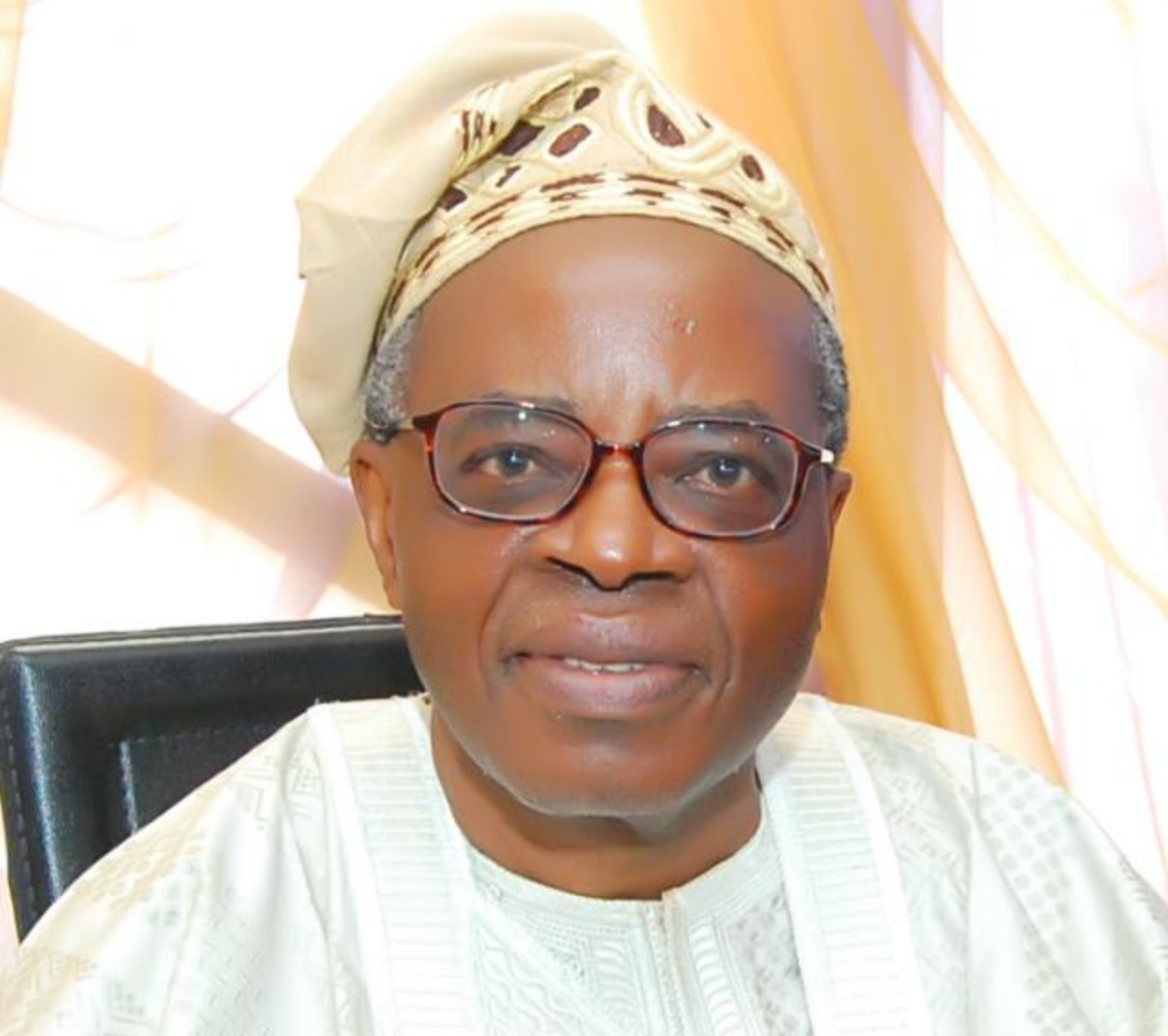

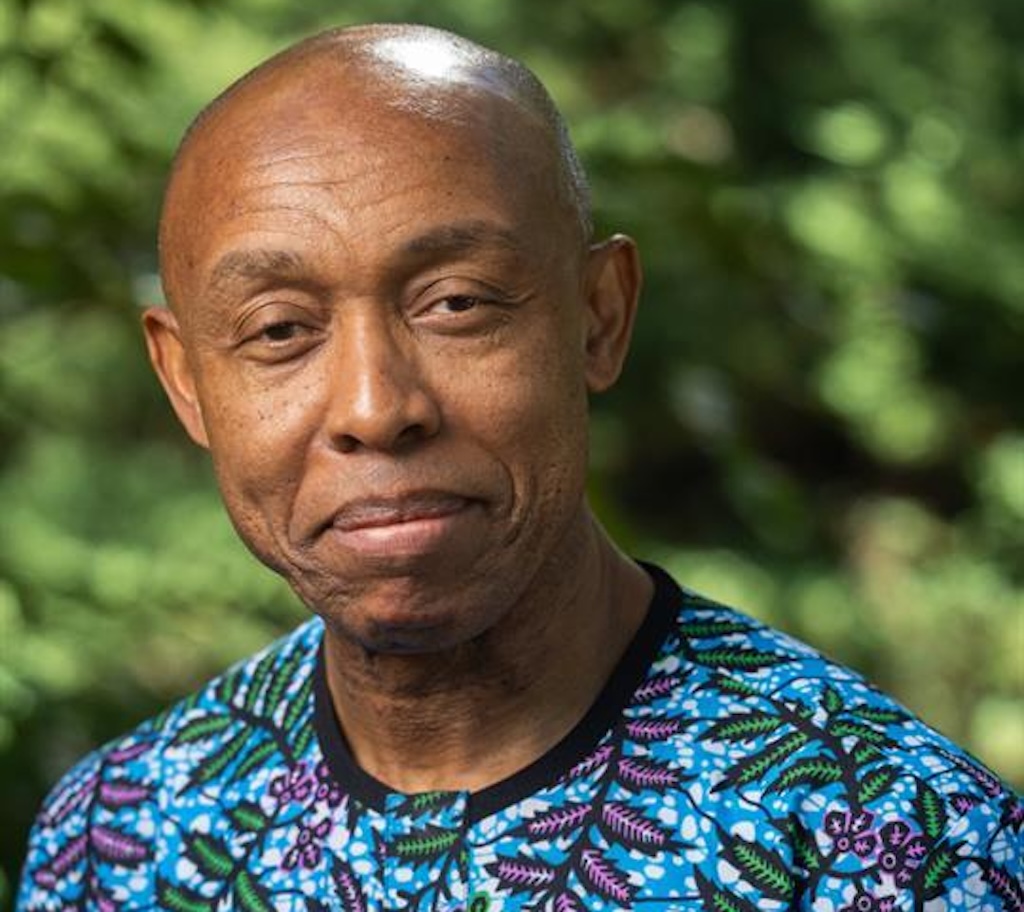
Recovery and Tracking: Under Mr Aliyu’s leadership, the ICPC reported that it recovered ₦24 billion linked to ghost-worker pensions. This included over 900 suspected ghost workers. The Constituency and Executive Projects Tracking Initiative tracked 4,582 public projects worth more than ₦22.53 trillion between 2023 and June 2026. It reported the recovery of stalled projects worth ₦507.04 billion and estimated government savings of ₦385.62 billion.
These figures need some thought. The ghost worker pension recovery tackles one of the most harmful types of public sector corruption in Nigeria. This is the stealing of funds meant for retired civil servants that goes into the accounts of fake beneficiaries. The fact that this fraud continues, despite years of reforms, shows the depth of the problem. Recovering ₦24 billion is not just a number; it means restoring resources owed to people who served the state and were cheated by those supposed to manage their retirement.
The project tracking data tells another important story. If anti-corruption efforts only focus on punishing individuals while ignoring poorly executed or abandoned public projects, they miss a key way public resources are wasted in Nigeria. Contractors get paid for projects that are never finished or done poorly. The ICPC’s Constituency and Executive Projects Tracking Initiative deals with this problem directly. The recovery of stalled projects worth over half a trillion naira shows that this initiative is making a real impact.
Aliyu’s investigation into so-called fake government bodies, including the reported nonexistent Presidential Foreign Investment Promotion Council, adds another layer. This type of corruption is especially harmful because it takes advantage of the confusion in Nigeria’s federal system, where many agencies, councils, and task forces make it hard to know which ones are real. An anti-corruption commission that investigates and exposes these fakes helps educate the public beyond just prosecuting individual cases.
Aliyu’s time as chairman has led to several formal recognitions. The 2026 Economic Confidential Lecture and National Spokespersons Awards honored him for pushing anti-corruption reforms. He also received a personal SERVICOM award for two years in a row. Under his guidance, the ICPC ranked seventh among 108 federal institutions and won five awards at the December 2025 SERVICOM ceremony. The Youth Assembly of Nigeria gave him an Award of Excellence for anti-corruption efforts and youth empowerment. A group of civil society organizations also praised him in October 2026 for his work on public accountability, procurement oversight, and institutional effectiveness.
Mr Aliyu has shown in his first three years as chairman that he knows the difference between just acting as an anti-corruption chairman and truly doing the job. The acting version gives speeches, attends events, and collects awards. The doing version sits in a car at a checkpoint in Abuja, facing an extortion demand, gathering evidence, and waiting for the right moment to act.
Nigeria needs more leaders who actually do the work. The biggest award any anti-corruption chairman can earn is not a plaque or ranking. It is the public’s trust, built through consistent and fair actions, showing that no office, person, or institution is beyond accountability, and that the resources given to government are truly protected for the public good.
From acting as an everyday driver to catch corrupt officers to stopping vehicle scammers at his doorstep, the ICPC chairman’s actions show what real anti-corruption leadership looks like.
So far, it seems that trust is being earned. The work to maintain it has just begun.
Drop your comment
No comments yet — be the first to drop the gist 👇