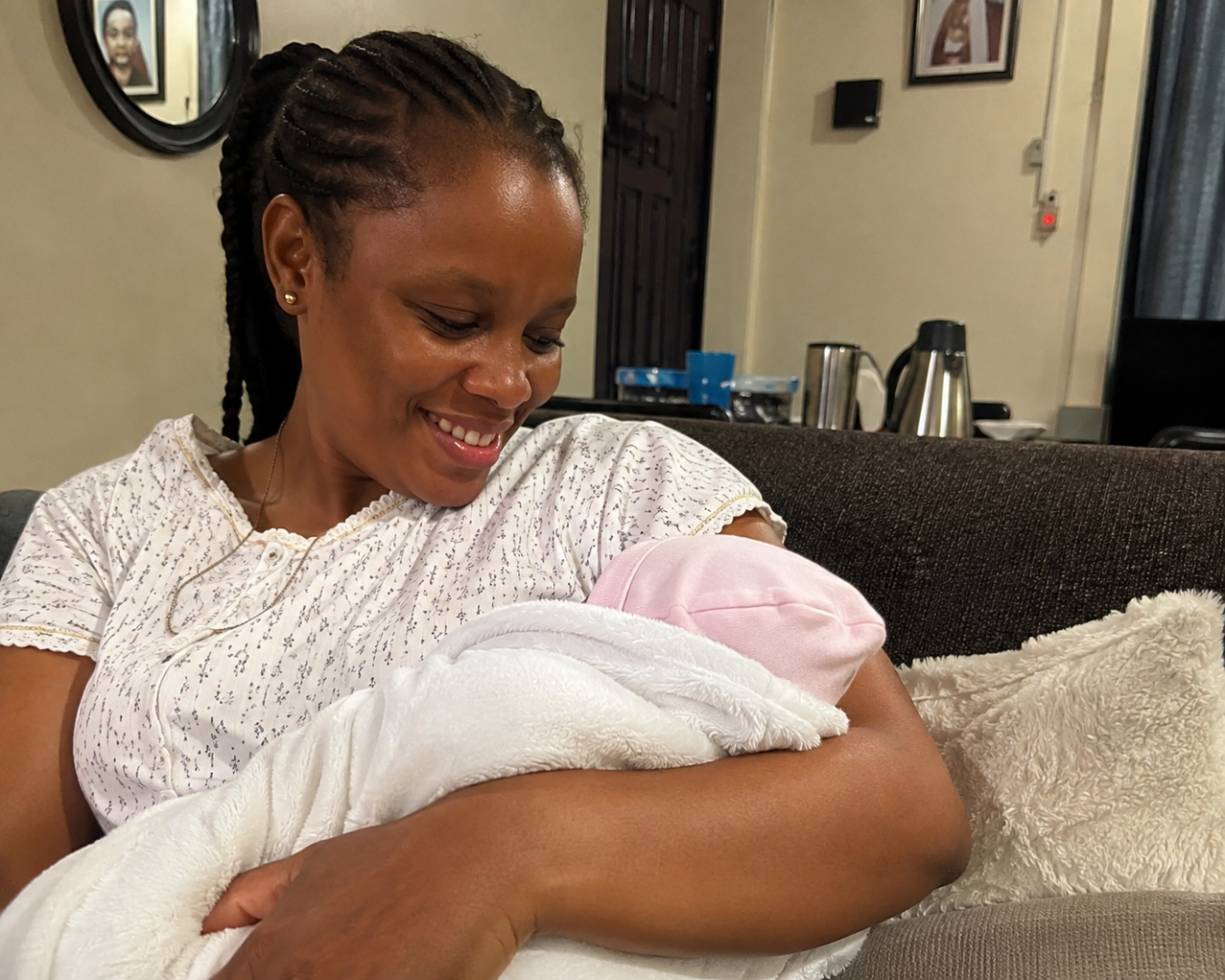
Postpartum recovery is often overlooked after childbirth. But the time right after delivery is crucial for the health of both mothers and their babies.
The World Health Organisation (WHO) says the first six weeks after childbirth are vital for the survival and wellbeing of mothers and newborns. This period also supports the baby's healthy growth and the mother's recovery.
The WHO advises that women and their newborns should get information, reassurance, and support from health workers throughout the postnatal period.
Mary Augustine, a retired midwife, spoke with PT Health Watch. She said the weeks after childbirth are just as important as the labour and delivery. This time is key to preventing complications and supporting the health of mothers and their babies.
Essential Care Before Discharge
Mrs Augustine said mothers need to learn how to breastfeed properly. She pointed out that good positioning and attachment are crucial for effective feeding.
She also mentioned how important it is to care for the umbilical cord. Keeping the cord clean and dry can help avoid infections.
According to her, mothers should learn how to bathe their babies safely, know when to change nappies, and keep the baby's airway clear. This helps reduce the risk of breathing problems.
She emphasized that these basic care steps are necessary to protect newborns from diseases and discomfort.
Preventable Complications
Mrs Augustine noted that many women do not speak up about their struggles after childbirth. They often think these issues are normal.



She explained that untreated breast pain can make mothers stop breastfeeding. Other problems can also arise within weeks if they do not get timely care.
These issues can include postpartum bleeding, puerperal sepsis, high blood pressure, anaemia, stomach pain, and postpartum psychosis.
She also highlighted perineal wound dehiscence, where an episiotomy wound does not heal properly. This can cause symptoms like ongoing pain, pus, bad-smelling discharge, unexpected bleeding, or trouble controlling gas or stool.
"If a woman is bleeding, she can give up. We see them coming back weak and unkempt because there is no follow-up. Sometimes their bodies smell and infections start," Mrs Augustine said.
She urged mothers to attend postnatal clinics even when they feel healthy.
Why Postnatal Follow-Up Matters
Mrs Augustine explained that the postpartum period needs ongoing medical care. Serious problems can develop after a mother leaves the hospital.
She said that postnatal follow-up helps health workers find and treat excessive bleeding, infections, poor nutrition, high blood pressure, and postpartum depression before they become dangerous.
She added that improving postpartum care and ensuring mothers get proper education before leaving the hospital would boost the health of mothers and newborns.
"Postpartum care should be treated with the same urgency as labour and delivery," she said.



Drop your comment
No comments yet — be the first to drop the gist 👇