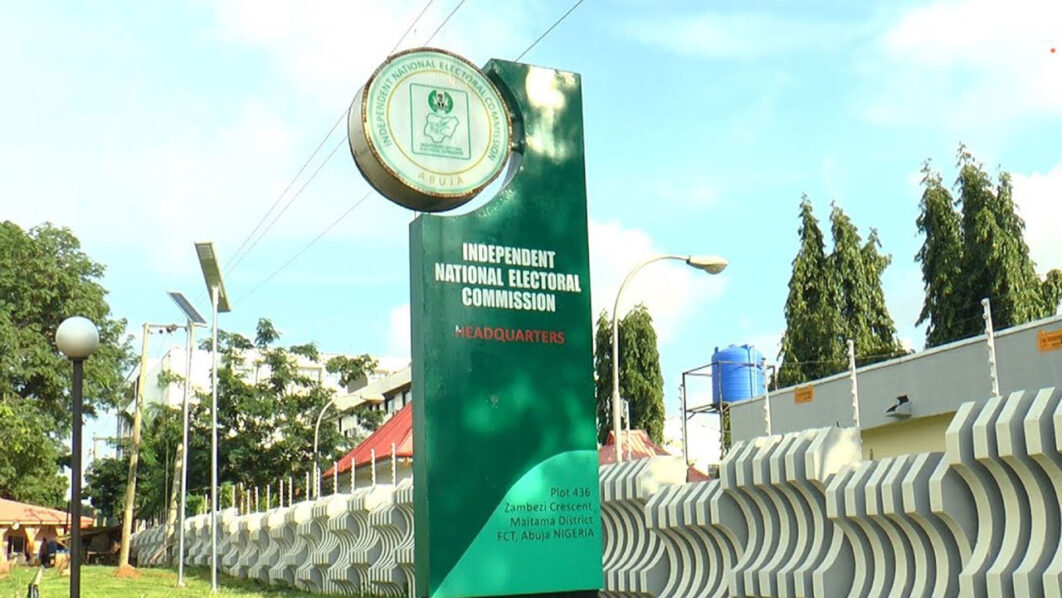
A meeting on Artificial Intelligence (AI) and democracy has warned that deepfakes, cloned voices, and fake news could harm Nigeria’s 2027 general elections. They called for stronger measures to protect voters and ensure fair elections.
This warning came from the AI and Democracy Forum 2026, organized by Yiaga Africa and other partners in Abuja from October 14 to 16.
The forum included the Independent National Electoral Commission (INEC), Centre for Journalism Innovation and Development (CJID), and Dataphyte Foundation. They received support from Luminate, Microsoft, Google, TikTok, the MacArthur Foundation, the International Foundation for Electoral Systems (IFES), and the German Agency for International Cooperation (GIZ). Their goal was to discuss the risks and benefits of AI in elections.
Participants pointed out that AI could create fake electoral announcements, false political content, and targeted manipulation, all of which threaten informed voter participation. They also warned that real evidence might be dismissed as fake, making it harder to find the truth.
Despite these challenges, the forum recognized some advantages of AI. They mentioned its potential in election logistics, providing voter information, cybersecurity, accessibility, and spotting duplicate voter registrations and unusual result patterns.
But they cautioned that mistakes in biometric matching or reading figures from result sheets could harm voting rights. This could damage the credibility of the results and reduce public trust.
The forum then called for human checks and adherence to legal procedures. They emphasized that AI alerts about duplicate registrations or strange results should lead to human reviews instead of automatic deletions or rejections.
"Africa needs context-sensitive governance and homegrown innovation. Regional cooperation, public-interest research, and local technical capacity should shape adoption rather than passive dependence on external vendors," the report stated.
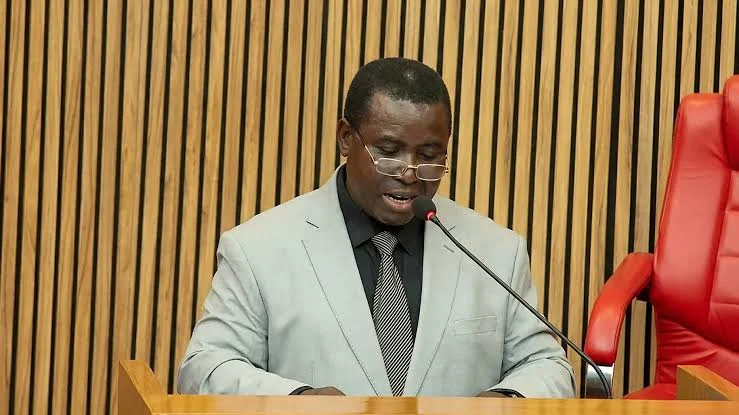
INEC Chairman Joash Amupitan said algorithms should not decide the outcome of the 2027 elections. He insisted that AI should help, not replace, human decision-making.
"Algorithms will not, and must never, decide the 2027 vote," he stated.

The outcome document showed that INEC plans to finalize an AI governance framework. They will adopt a rule requiring human oversight and use AI-based cybersecurity measures to guard against system attacks.
The commission also suggested creating an Electoral Information Integrity Coalition. This coalition would include media organizations, editors, fact-checkers, civil society groups, and telecom operators to improve how they respond to election-related misinformation.
The forum urged INEC to release its AI governance framework and a clear protocol for capturing, processing, verifying, and collating physical result sheets. This includes explaining how any differences would be settled.
It also recommended independent audits of electoral technology before elections, transparent purchasing processes, and clear accountability for technology suppliers.
Microsoft committed to uploading INEC’s final list of candidates for the 2027 elections into its systems. This would help reduce the creation of misleading synthetic images of candidates.
Technology platforms were also asked to label AI-generated political content. They should improve transparency in political ads, strengthen moderation in Nigerian languages, and respond quickly to deceptive impersonation.
The forum urged political parties and candidates to create an ethical AI code of conduct. They also encouraged newsrooms to set up digital forensics teams and educate the public on how to spot manipulated content.
At the regional level, the Economic Community of West African States (ECOWAS) and its Network of Electoral Commissions promised to finalize joint guidelines for the responsible use of AI in West African elections.
The forum concluded that being prepared, having transparent systems, skilled election officials, and effective oversight are key to making sure AI helps rather than harms Nigeria’s 2027 elections.
Drop your comment
No comments yet — be the first to drop the gist 👇