Leaders of the Ijaw and Urhobo ethnic groups in Warri Federal Constituency, Delta State, say the Independent National Electoral Commission (INEC) bringing back some state constituencies does not solve the main problem of electoral representation in the oil-rich area.
This statement comes after confusion about how INEC’s new ward delineation exercise will affect Warri Federal Constituency. The commission has not answered many media questions about this process.
On Thursday, INEC announced the return of several constituencies in Benue, Delta, Jigawa, and Kogi states following court rulings. The commission set the dates from June 16 to June 25 for political parties to hold primaries in these restored constituencies ahead of the 2027 general elections.
In Delta State, the restored constituencies are Aniocha North II, Ika North East II, Sapele II, Ethiope West II, Warri South West II, and Warri North II.
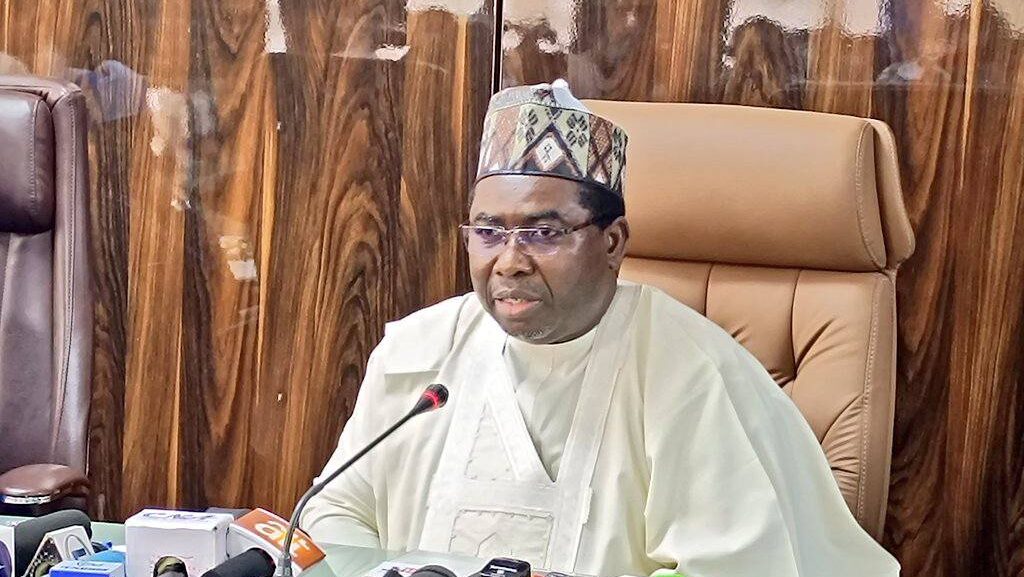
INEC’s National Commissioner, Mohammed Haruna, said the restoration came after judicial orders told the commission to bring back the previously suppressed constituencies.
But leaders from the Ijaw and Urhobo communities in Warri Federal Constituency say these newly restored constituencies are not part of the ongoing ward delineation issue. This issue followed a Supreme Court ruling on electoral representation in Warri North, Warri South, and Warri South-West local government areas.
PREMIUM TIMES reported that in an open letter to INEC, signed by Okumagba Olorogun, Paul Bebenimibo, Joel Bislaa, Ako Samuel, Akpodibakaye Arthur, John Eramuor, and Alaowe Denbola, the group noted that INEC had previously announced the creation of 20 registration areas or electoral wards in the three local government areas.
The group, representing the Indigenous Ijaw and Urhobo People of Warri Federal Constituency, said INEC had also promised to create two more state constituencies for Warri North and Warri South-West. They recommended creating an additional federal constituency, pending constitutional approval.
The group said INEC assured stakeholders that political parties would be directed to conduct primaries in the newly created constituencies in time for the 2027 elections. They observed that while stakeholders welcomed the extra constituencies, the implementation of the delineation report has not started even three weeks after INEC released its final report.
"We note that the deadline for submission of candidates by political parties is fast approaching," the group stated.
In a chat with PREMIUM TIMES on Thursday, Paul Bebenimibo, one of the signatories, said the main problem in Warri is not about state constituencies but about how electoral wards are shared among ethnic groups in the federal constituency.
"No one is talking about those constituencies because INEC promised they would conduct elections for those two state constituencies, Warri North and Warri South-West," he said.
"The issue is the ward arrangement. That is where the problem lies."
Bebenimibo explained that disagreements come from different claims over population numbers and representation between the Ijaw and Itsekiri ethnic groups.
According to him, the final delineation report from INEC released on May 20 showed that the Ijaw communities got 13 wards while the Itsekiri received seven in Warri South-West. In Warri North, he said both communities received 10 wards each, a plan his group accepted even though they believe Ijaw communities have a larger population.
"But the Itsekiri are proposing that they should have 12 while the Ijaws should have eight. That is the bone of contention," he said.
He added that everyone agrees on creating the new state constituencies.
"We are saying INEC should not tamper with what it released on May 20. INEC did its job well," he said.
Bebenimibo argued that the Supreme Court ruling aimed to settle long-standing issues over representation and that the commission followed through by doing a new delineation exercise across the three local government areas.
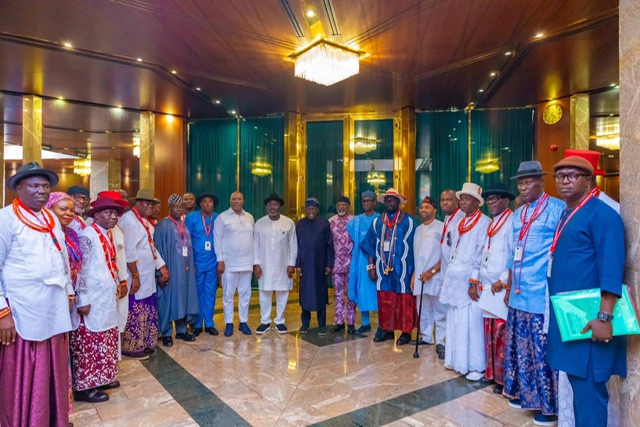
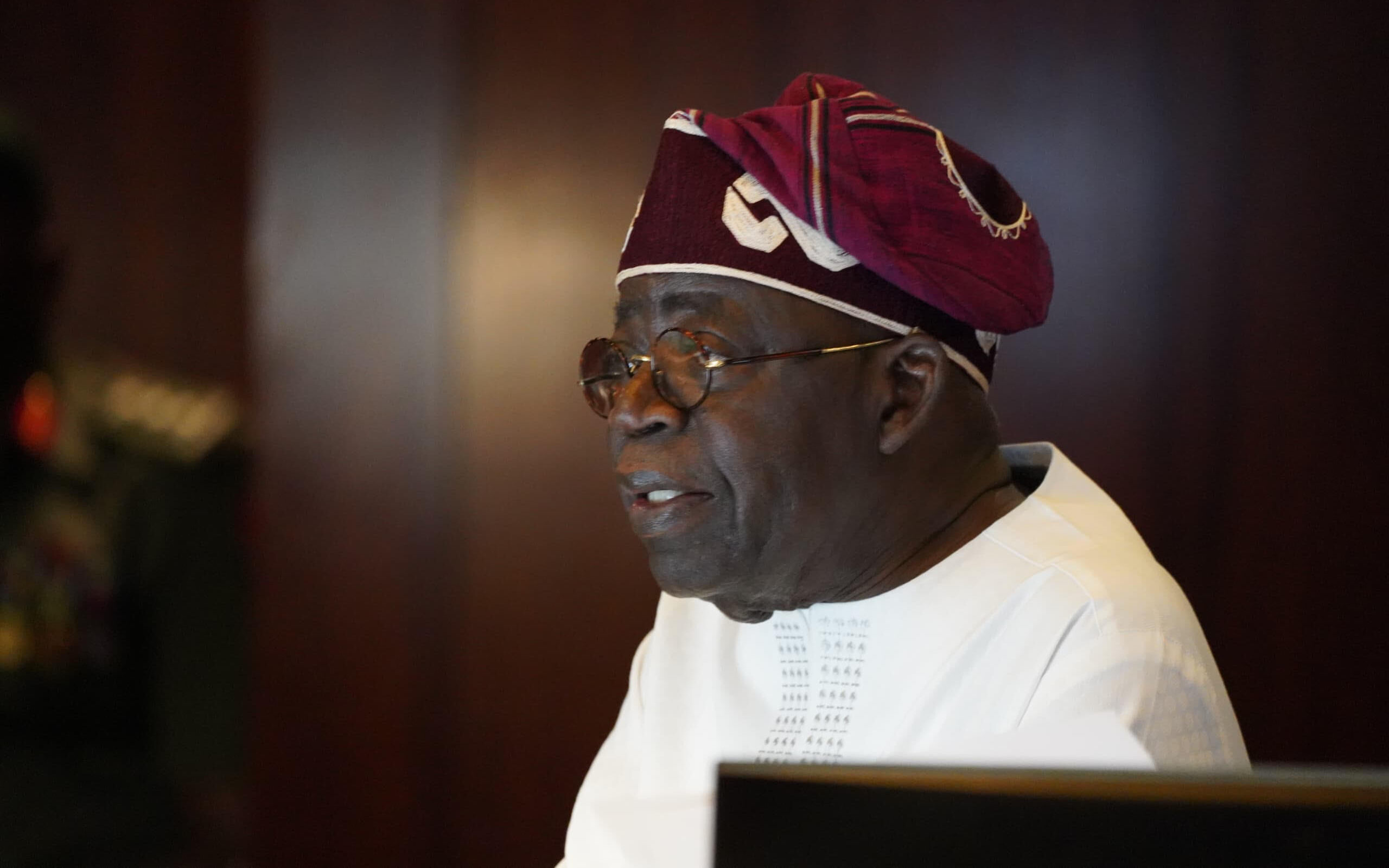
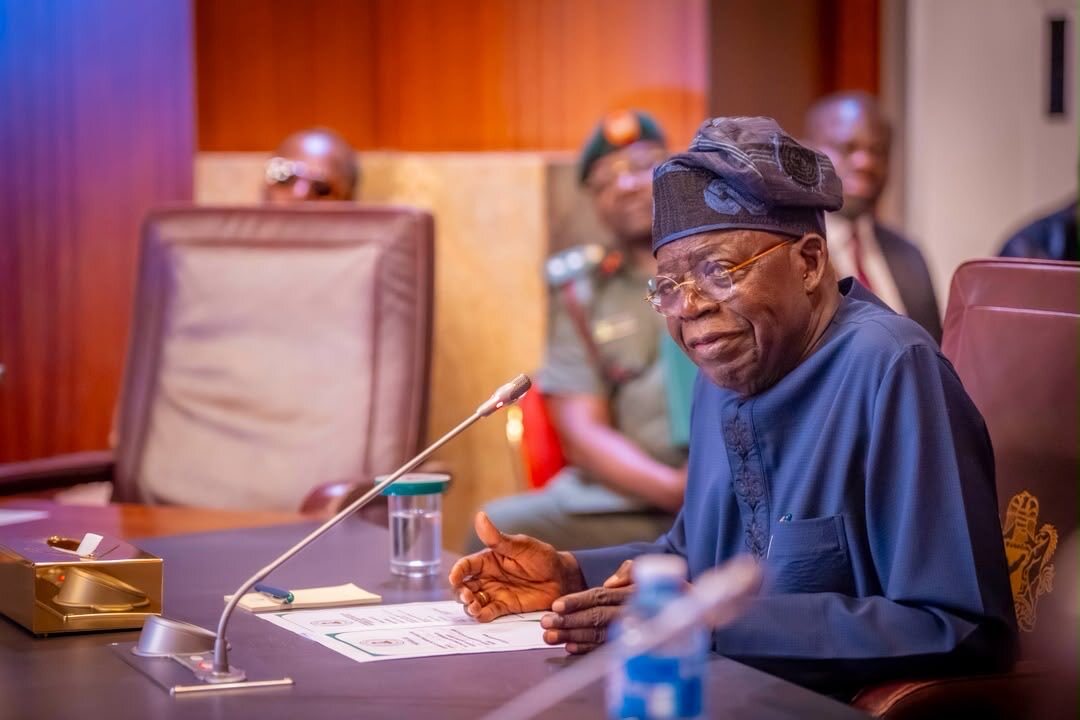
The renewed discussion comes despite recent attempts to ease tensions in the area. PREMIUM TIMES reported that on Thursday night, leaders of the Ijaw and Urhobo groups urged protesters blocking oil and gas facilities in Warri Federal Constituency to withdraw after meeting with President Bola Tinubu.
But there is still doubt about whether INEC will implement the ward delineation report or stop after restoring only state constituencies.
PREMIUM TIMES sent a detailed media inquiry to Mr Haruna asking for updates on the delineation exercise. They wanted to know if INEC received any communication from the Presidency or other government branches about the report's implementation, whether it had been delayed, and what measures are in place to ensure compliance with the Supreme Court ruling.
Mr Haruna did not answer calls or texts seeking comments.
PREMIUM TIMES then reached out to Dayo Oketola, the spokesperson for the INEC chairman, who directed questions to the commission's Director of Voter Education and Publicity, Victoria Eta-Messi.
When contacted on Wednesday, Ms Eta-Messi said she would send the questions to the relevant department and get back with a response.
When PREMIUM TIMES followed up on Friday afternoon, she said she had shared the inquiry with INEC’s operations department and promised to get an immediate response.
No response was received by the time of this report.
The commission’s silence has raised concerns among stakeholders about the future of the ward delineation exercise, which is key to resolving long-standing issues over political representation in Warri Federal Constituency.
While INEC restoring suppressed constituencies clears one legal hurdle before the 2027 elections, community leaders argue it does not resolve the more sensitive issue of how electoral wards are shared among the ethnic groups in the constituency.
For now, the creation of new state constituencies seems to be accepted widely. The unresolved question is whether INEC will go ahead with implementing the ward structure outlined in its May report, a decision many see as the true test of complying with the Supreme Court ruling and an important factor in keeping peace in one of Nigeria’s major oil-producing regions.

Drop your comment
No comments yet — be the first to drop the gist 👇