Africa's beauty industry players are asking governments, banks, and development agencies for better support. They believe this sector can create jobs and boost the economy.
This call for support happened at the fourth Beauty in the Motherland event in Lagos. The gathering brought together beauty entrepreneurs, manufacturers, and other professionals. They discussed investment, production, and opportunities in the industry.
Speakers at the event, held at the Eko Convention Centre, Eko Hotel & Suites, Victoria Island, included Olamide Olowe, founder of Topicals; Joycee Awosika, founder of ORÍKÌ Group; and Pearl Ubani, founder of Myria Gee. They joined other industry leaders to talk about growth and positioning in Africa's beauty market.
Industry Ignored
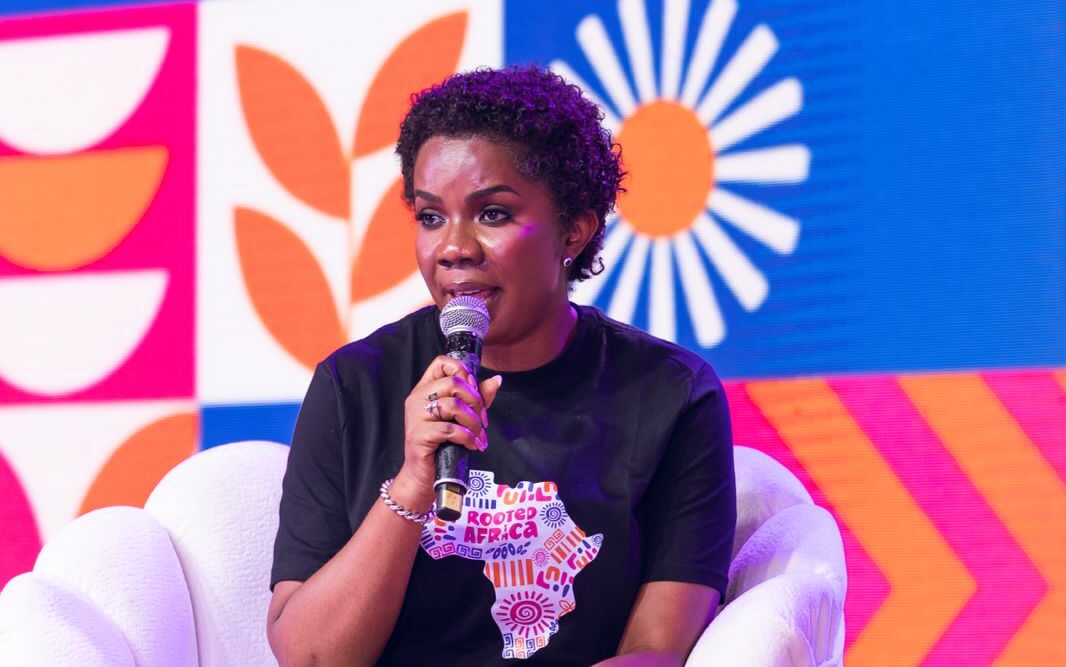
Beatrice Eneh, founder of Beauty in the Motherland, said the beauty sector is often overlooked by big institutions. She explained that many see it mainly as makeup, hairdressing, and retail.
She pointed out that the industry also covers manufacturing, agriculture, research, innovation, packaging, distribution, and international trade.
"As an ecosystem leader, beauty entrepreneur, industry strategy investor, and strategy expert with decades of experience in Africa’s beauty industry, I have gathered accurate data that shows the huge economic impact and growth potential of this industry," she said.
Ms Eneh noted that this lack of recognition has kept beauty professionals and businesses out of important discussions about policy and financing.
A Broader Economic Impact
She said Beauty in the Motherland was set up to connect entrepreneurs with business chances. It aims to promote beauty and personal care as an economic sector, as well as a contributor to other creative industries.
"We are the lion in the jungle, yet we are not given the attention we deserve. This is the step to take the bull by the horns, which we do through Beauty in the Motherland," she said.
Ms Eneh also announced a three-year investment plan to create a beauty and personal care production hub in Africa, starting in Nigeria. She said this project is meant to create job opportunities and boost local manufacturing.


She urged policymakers and investors to look beyond traditional business categories and recognize the value of roles often seen as small-scale.
Need for Local Production
From her experience at international beauty events like Cosmoprof and Beautyworld, Ms Eneh called for stronger government support for the beauty sector.
She mentioned South Korea and Turkey as examples of countries that have built competitive beauty industries through branding, manufacturing, and exports.
She said the aim is to increase Africa’s beauty economy to over $100 billion in five years. This can happen through better funding, reliable market data, supportive policies, and stronger local production.
The fourth edition of Beauty in the Motherland took place in Lagos in October 2026. It gathered entrepreneurs, exhibitors, industry leaders, and investors for exhibitions, networking, and talks on innovation and market access.
Market Growth Predictions
Data from Ms Eneh estimates that Africa's beauty and personal care market will grow by 9.6 percent each year. This is higher than the 7.25 percent growth projected for the apparel and fashion market.
Independent estimates vary based on how they define the market and their research methods. Credence Research valued Africa’s beauty and personal care market at about $62.5 billion in 2022. They predict it will reach $103.46 billion by 2030. Technavio expects the market to grow by $10.84 billion from 2025 to 2030.
Euromonitor International reported that Nigeria’s beauty and personal care market saw a 23 percent retail value growth in 2025. This figure reflects retail sales value, not actual economic growth.
These varying estimates highlight the need for clear industry classifications and reliable economic data. This can help policymakers understand the sector better and provide the right support.



Drop your comment
No comments yet — be the first to drop the gist 👇