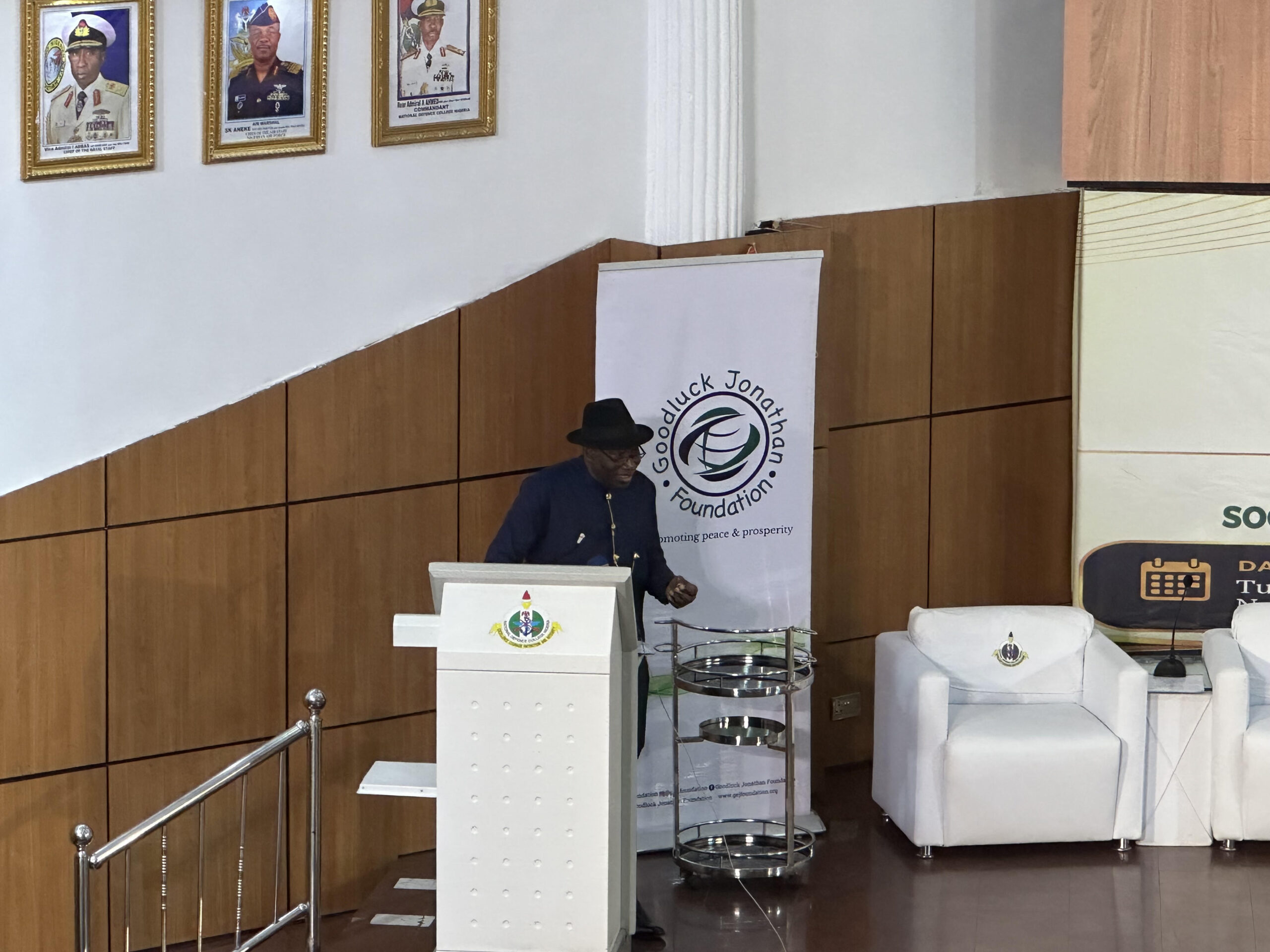
Former President Goodluck Jonathan has raised alarm about increasing political intolerance, violence, and ethnic divisions in Nigeria as the country approaches the 2027 general elections.
Mr Jonathan noted that political parties and campaign groups are starting to behave like cults. He pointed out that young people are being recruited and used as tools for violence against political opponents.
He made these comments on Tuesday during a peace and security conference hosted by the Goodluck Jonathan Foundation in Abuja. The theme of the conference was ‘Safeguarding Peace and Strengthening Social Cohesion in a Competitive Political Environment.’
The former president said he has heard worries from Nigerians and those living abroad about Nigeria’s political trajectory and the risk of post-election crises.
He highlighted political intolerance, thuggery, and the refusal of political figures to accept different opinions as major threats to peaceful elections.
“There appears to be an increasing unwillingness among political actors to accommodate opposing views or recognise the legitimate right of others to compete for political power,” he stated.
Mr Jonathan also mentioned that using young people to cause violence has made matters worse, warning that political campaigns are starting to resemble organized cult activities.
“It’s becoming obvious. We are running political organisations, campaign teams as cult groups,” he added.
He expressed worry over conflicting court judgments, especially from courts with the same authority, saying these issues could damage public trust in the judiciary.
Though courts are meant to interpret laws and resolve disputes, he said differing decisions on similar cases could create tension and push people to look for alternatives to legal solutions.
“We must protect the integrity and independence of our judiciary. When citizens begin to lose faith in the courts and resort to self-help, the consequences can be disastrous,” he warned.
He stressed that losing trust in public institutions could lead to lawlessness. He urged Nigerians to stop what he called a possible slide into chaos.
The former president also cautioned against using ethnic differences for political gain, saying the 2027 elections should not become a battleground for ethnic conflicts at both national and state levels.
“Nothing could be more dangerous to our national existence than the deliberate encouragement of ethnic rivalry,” he stated.
“We must never allow political ambition to undermine the bonds that hold us together as one nation and in our states.”

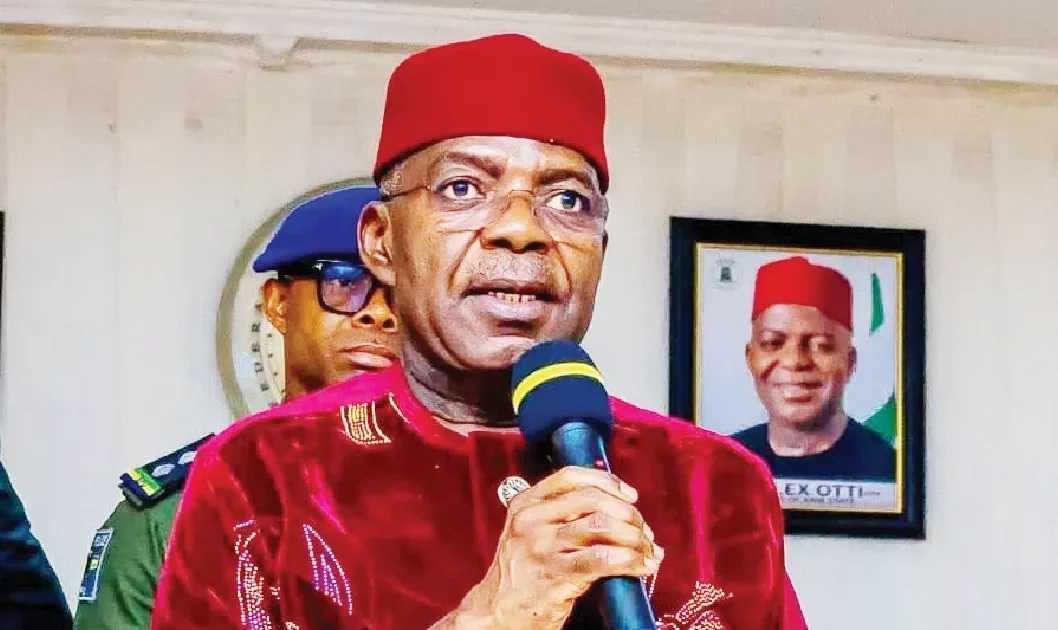

Mr Jonathan called for changes to Nigeria’s political recruitment process, arguing that ethnic, religious, and other factors often block qualified individuals from becoming leaders.
He said Nigerians need to focus more on the skills and abilities of candidates seeking office at both federal and state levels.
Referring to his recent visit to Lagos, he said Nigeria needs to move away from a system that values personal ties over leadership skills.
He encouraged voters to prioritize national interest and public service over personal and ethnic interests when choosing leaders in 2027.
“Our democracy must produce leaders capable of uniting our people and advancing our collective development,” he said.
Also speaking at the conference, Omar Touray, a former president of the Economic Community of West African States (ECOWAS) Commission and keynote speaker, said Nigeria’s upcoming elections will have impacts beyond its borders.
Mr Touray mentioned that Nigeria’s population, economic power, and diplomatic influence make its democratic performance important for the entire African continent.
He said the 2027 elections provide Nigeria a chance to show that a diverse society can maintain competitive politics without sacrificing national unity.
“A peaceful, transparent and credible electoral process in Nigeria would reinforce confidence in democratic governance across the continent,” he added.
Mr Touray also referenced Mr Jonathan’s choice to concede defeat in the 2015 presidential election before the final results were announced as a lasting example of democratic leadership.
Former Vice President Namadi Sambo, in his remarks, said democracy relies on public trust, mutual respect, credible institutions, and citizens’ confidence in the electoral process.
He recognized that political competition is essential in a democracy but warned it should not compromise national unity and stability.
Mr Sambo said political actors must ensure their quest for power does not weaken the institutions that support democratic governance or threaten the country’s common identity.
Drop your comment
No comments yet — be the first to drop the gist 👇