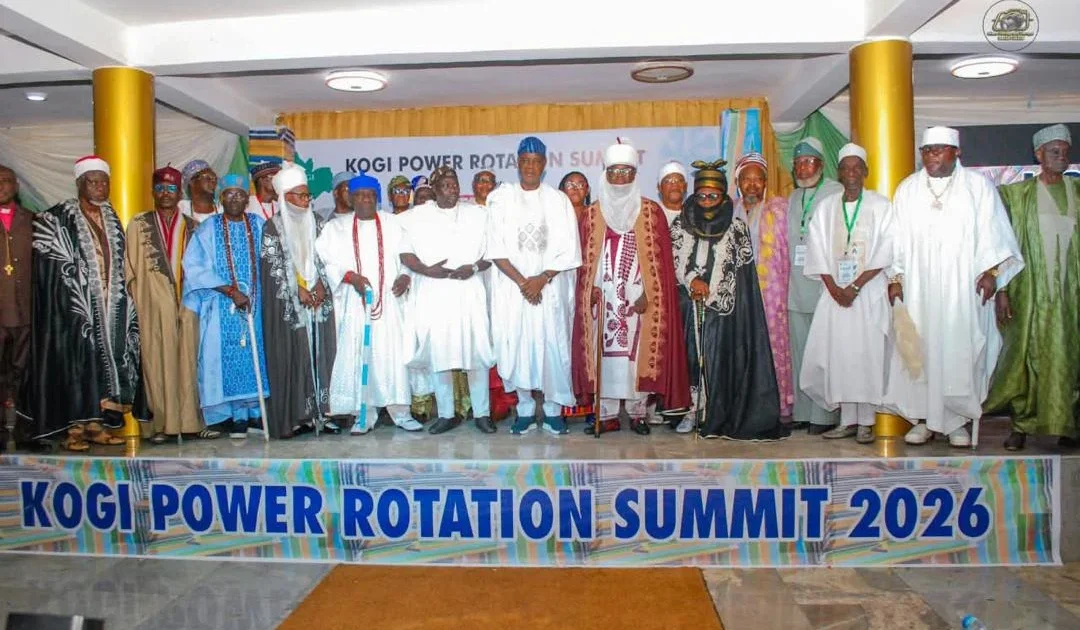
Stakeholders from Kogi State's three senatorial districts have agreed on a plan to rotate political power. Most of them want this to start in 2032 after Governor Usman Ododo finishes his second term.
This agreement came out in a statement after the first Kogi State Power Rotation Summit held on Wednesday and Thursday in Lokoja.
The two-day summit was organized by the Kogi Unity Accord. The theme was "Retooling Kogi for Unity, Equity and Shared Prosperity." It gathered traditional rulers, religious leaders, political figures, community groups, professionals, organized labor, youths, students, and civil society members.
The statement obtained by our correspondent on Friday showed that many at the summit supported the eight-year power rotation plan, with 2032 as the start date.
The stakeholders believe this timing will allow enough space for laws, broader discussions, and a proper legal framework while letting the current governor complete his legal second term.
The summit acknowledged that power rotation could help create fairness, unity, peaceful living, and a stronger sense of belonging among Kogi State's people. "The Summit recognized that power rotation could serve as a mechanism for promoting fairness, unity, peaceful coexistence and a stronger sense of belonging among the people of Kogi State," the statement explained.
But it also emphasized that rotation should not ignore qualities like competence, integrity, ability, accountability, and leadership skills.
The summit called for a broad framework for political inclusion and equal participation across the three senatorial districts. They also asked for talks among Kogi East, Kogi Central, and Kogi West before agreeing on the proposed plan.
Even though most people wanted the power shift to start in 2032, some delegates and groups wanted an earlier change to Kogi West after the current governor's term ends.
Rotimi Akenson, the President of the Okun Development Association, argued that Kogi West has not had a governor since the state was formed, so it should be included in the next political transition.
Similarly, the Christian Association of Nigeria, through its representative, supported a fair rotation plan starting after Ododo's term, with power moving to Kogi West. The CAN representative also expressed a wish for a Christian governor, linking this to ethnic and religious factors.
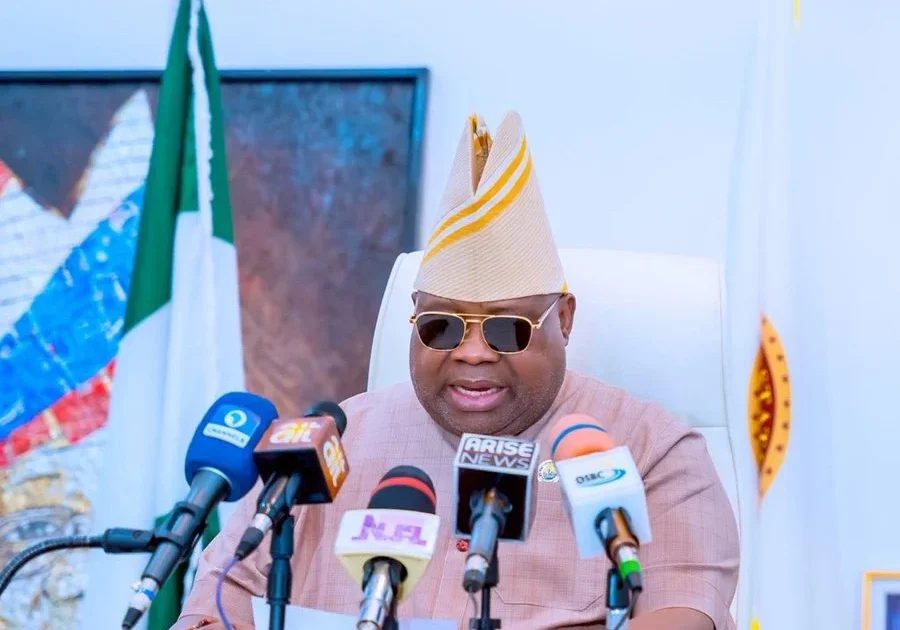
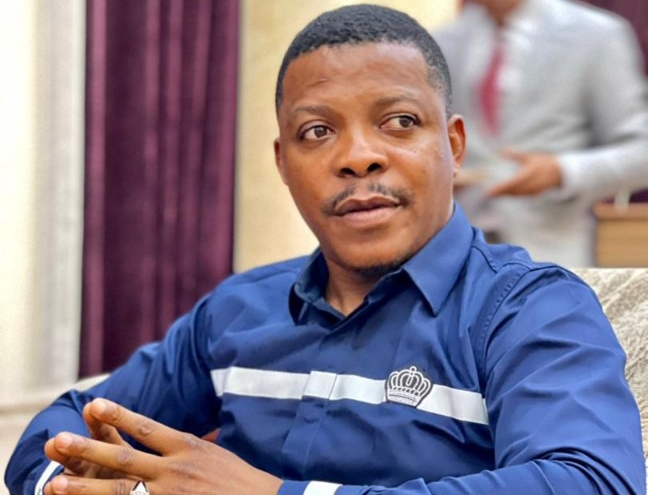
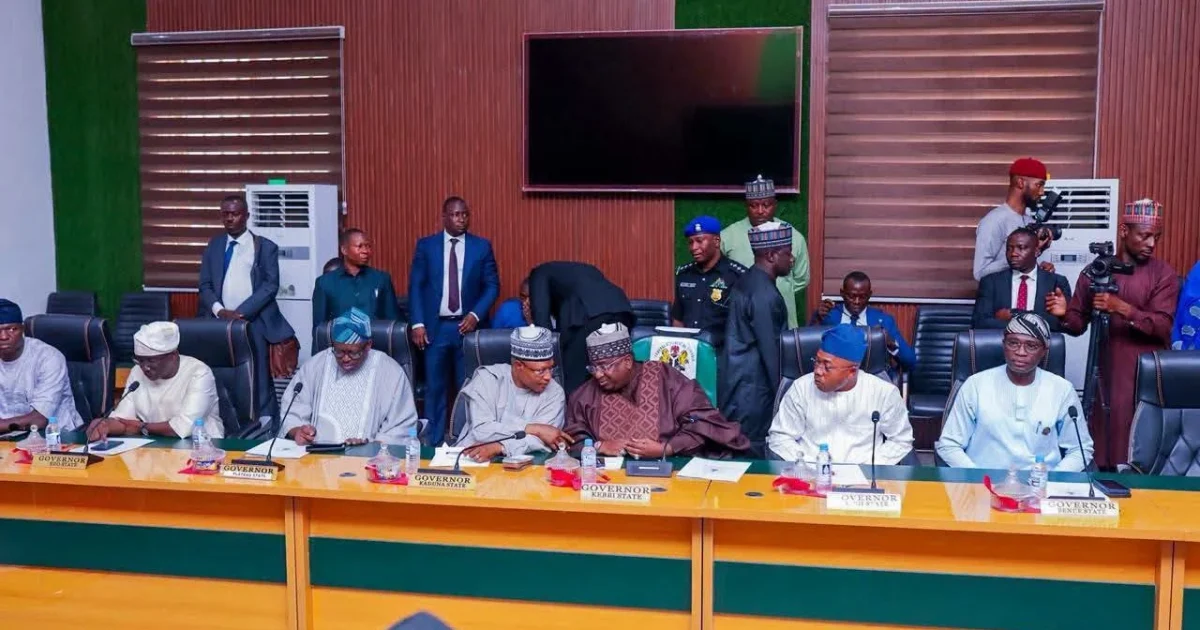
A key development at the summit was the Kogi State House of Assembly's stance. Its Speaker, Aliyu Yusuf, said the legislature is ready to create laws for power rotation.
Yusuf stated that this issue needs careful discussion and that all stakeholders' opinions would be taken into account during the legislative process. If passed, this law would create a formal framework for a practice that has mainly relied on political customs and discussions.
The statement noted that the 1999 Constitution, as changed, does not clearly state that governorship should rotate among the districts. It recommended that any setup must follow legal political and democratic methods.
Governor Ododo, who was represented at the summit by Commodore Jerry Omodara (retd.), urged stakeholders to engage in political talks without disrupting the state's peace. He asked them to see Kogi's diversity as a strength and to promote trust, peace, and open discussions as the state heads into another election season.
The governor also encouraged youths to reject political violence and pushed stakeholders to seek peaceful discussions and constructive talks.
The summit chairman, Vice Admiral Joseph Ajayi (retd.), called the discussions important for Kogi's political growth. He asked for a structured plan that would promote inclusion and ease political tensions and tribal conflicts.
A participant at the summit, Sir Kehinde Ejibunu, a former Deputy Comptroller-General of the Nigeria Customs Service, urged stakeholders to remember the political goals of minority groups when considering power-sharing plans. "We want the state to be together; we don’t want it to be set ablaze," he said.
The summit suggested creating a Kogi Charter of Equity and Inclusion to guide political involvement, peaceful talks, and representation in the state. It also recommended setting up a follow-up process, expanding the Kogi Unity Accord, forming zonal structures, and further discussions across the three senatorial districts.
The stakeholders also agreed that minority tribes and communities should be shielded from political exclusion. They insisted that elected positions and political appointments should reflect fair representation and the spirit of federal character.
The statement emphasized that these resolutions should start a long-term process, not just end the debate on power rotation in Kogi State.

Drop your comment
No comments yet — be the first to drop the gist 👇