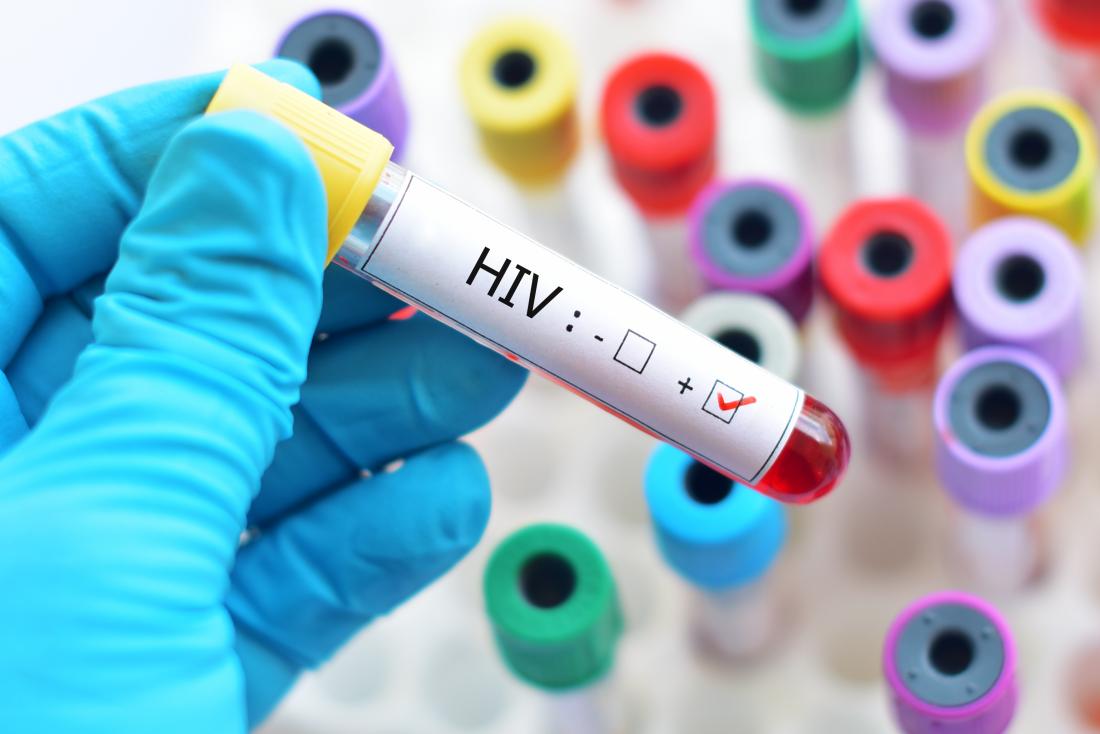
The former chairman of the Nigeria Medical Association (NMA) in Lagos, Babajide Saheed, has challenged how people understand the recent figures showing that Lagos had 10,430 new HIV cases in 2025. He argues that this data reflects routine HIV testing and not just new infections.
Mr Saheed shared his thoughts on Channels Television during The Morning Brief show on Wednesday. He was responding to the numbers from the "State of the Health of the Nation Report 2025," which have stirred a lot of conversation on social media.
The report shows that Lagos had 10,430 new HIV cases in 2025. This number is the highest among Nigeria’s 36 states and the Federal Capital Territory (FCT). It's also more than the total figures for Kaduna, Adamawa, and the FCT combined.
During the show, the anchors asked why Lagos still has such high numbers after years of HIV awareness and prevention efforts. In response, Mr Saheed insisted that the numbers should not be seen as new HIV infections.
He explained that the figures mostly reflect HIV positivity from routine testing done on people already receiving treatment. This includes some newly diagnosed cases. "It is routine testing," he said repeatedly, encouraging viewers to check the clarification from the National Agency for the Control of AIDS (NACA).
Mr Saheed pointed out that people living with HIV often get tested while on antiretroviral treatment. These results are then recorded by health facilities. Even though he disagrees with how the numbers are interpreted, he recognized that Lagos still carries a heavy HIV burden.
He described the situation as "a red flag." He mentioned that Lagos, along with Rivers and Benue, has consistently reported high HIV cases over the years. Mr Saheed believes this trend is due to a mix of reduced international funding, economic difficulties, and issues accessing HIV treatment.
He stated that cuts in funding from international partners and Nigeria’s economic challenges may have disrupted HIV services. "If people cannot afford to feed themselves, how can they afford transportation to the hospital?" he asked.
Mr Saheed called on the federal government to increase local funding for HIV programs. He also urged investment in local production of antiretroviral drugs. He suggested boosting public awareness campaigns and decentralizing HIV treatment to primary healthcare centers and private hospitals.

He also stressed the need for stronger public education on HIV prevention. This includes promoting condom use, abstinence, and early testing, especially among young people and women, who he identified as the most affected groups.
A look at the 2025 Final State of the Health of the Nation Report from the Federal Ministry of Health and Social Welfare confirmed that Lagos reported 10,430 new HIV cases in 2025, down from 14,622 in 2024.
The report also shows that Lagos had the highest number of new HIV cases among the 36 states and the Federal Capital Territory (FCT). Further data reveals that after Lagos, the highest figures were in Rivers (6,287), Kano (6,010), Akwa Ibom (5,413), Taraba (4,854), Benue (4,804), Anambra (4,468), and Kaduna (3,699).
Other states reported lower figures, such as Adamawa (2,989), Bauchi (2,736), FCT (2,764), Sokoto (2,592), Abia (2,546), Cross River (2,545), Imo (2,539), Delta (2,469), Nasarawa (2,410), Borno (2,311), Zamfara (2,134), and Ogun (2,107).
The report highlights that Ekiti had the lowest figure nationwide, followed by Bayelsa, Gombe, Osun, Kwara, Enugu, and Yobe. Meanwhile, Lagos, Rivers, Kano, Akwa Ibom, Taraba, and Benue reported the highest numbers.
In April, NACA warned against interpreting similar state-by-state HIV figures as actual disease burden. They stated these figures reflect HIV positivity from routine testing in health facilities. NACA made it clear that these numbers should not be used to estimate HIV prevalence or rank states by disease burden. They noted that factors like population size, testing coverage, and reporting practices influence such data.
NACA also cautioned that HIV data should only be generated, interpreted, and shared by authorized government health institutions, following set protocols to avoid misleading the public.



Drop your comment
No comments yet — be the first to drop the gist 👇