The Lagos State Government has kicked off a new plan to make sustainability reporting standard across its Ministries, Departments, and Agencies. This move aims to boost transparency, accountability, and future governance planning.
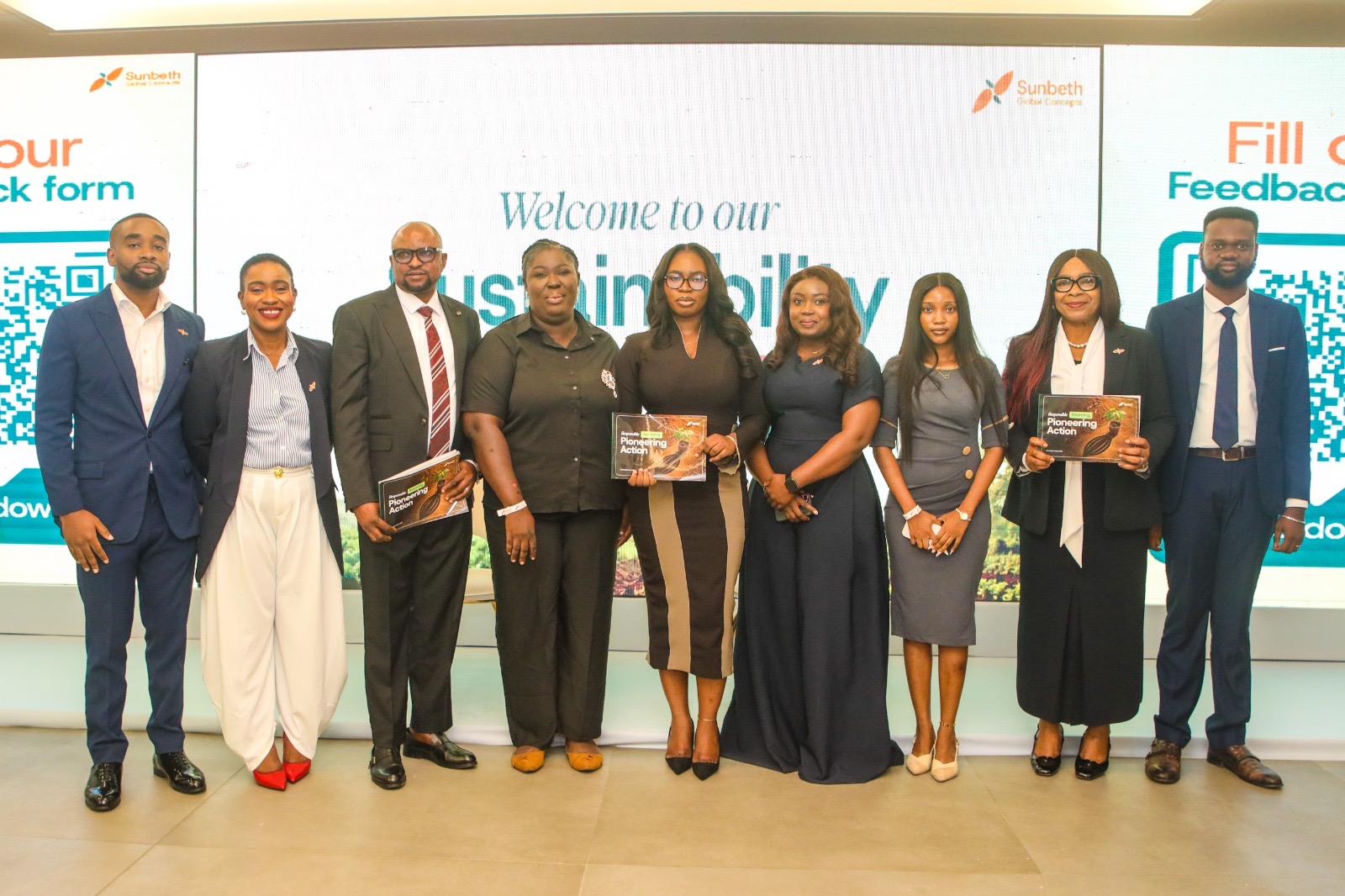
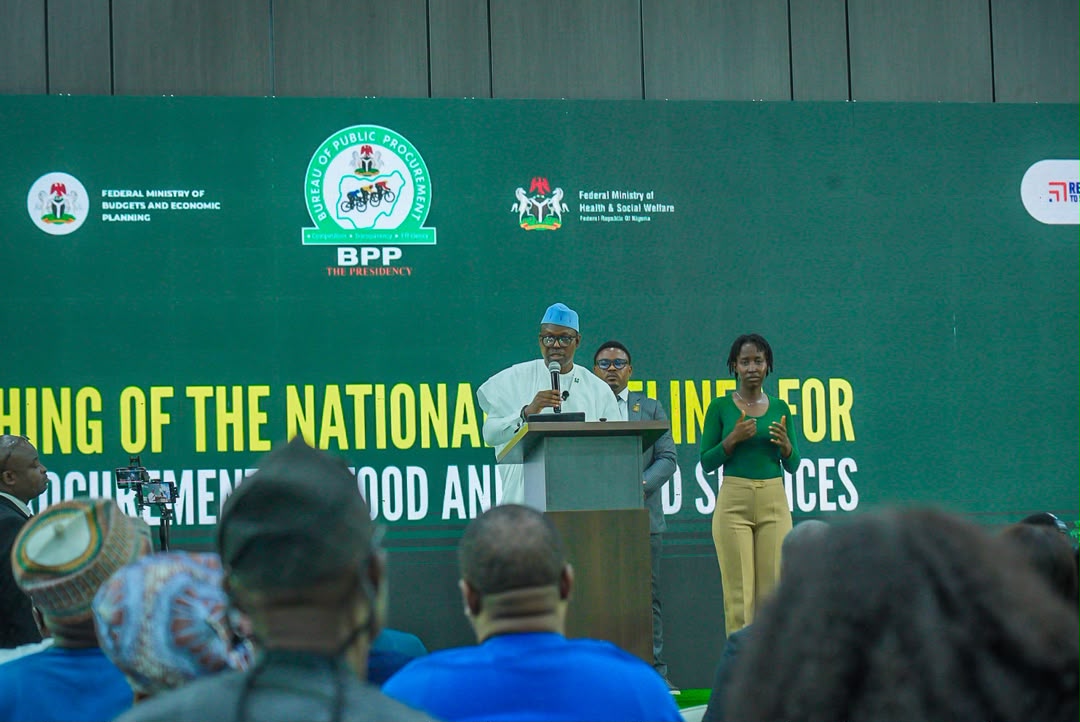
This initiative was discussed at the Executive Sustainability Reporting Strategic Alignment Meeting. The meeting also covered the second phase of a training program held in Alausa. Senior government officials and regulators talked about plans to bring together different reporting practices into one framework that meets global standards.
During the meeting, Ope George, the Commissioner for Economic Planning and Budget, said this reform shows Lagos’ growth as a big city. He stressed the need to match governance with international sustainability expectations.
George mentioned that the state had used some aspects of sustainability reporting in the past, but these efforts were not well coordinated. He added that the government is now working to bring these efforts together into a clear system.
"We have, over time, adopted various sustainability reporting standards, albeit in a fragmented manner," he said.
He explained that this new method will align Lagos with best practices worldwide and boost transparency in governance and resource management.
"Every sustainability report represents more than compliance; it is a declaration of accountability to the people. It demonstrates our commitment to building a Lagos that is environmentally responsible, socially inclusive, economically resilient, and prepared for the challenges and opportunities of the future," George said.
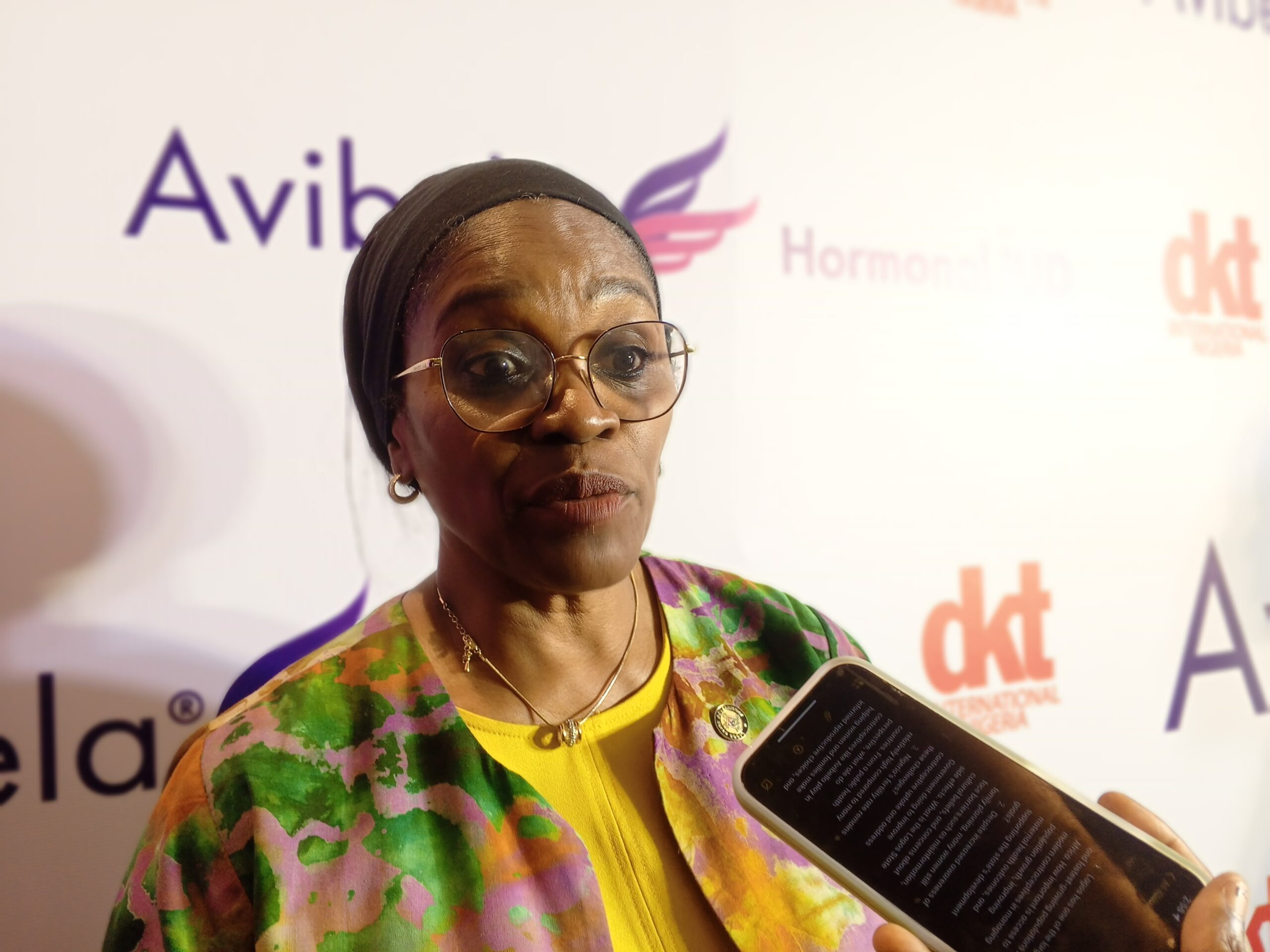
Oreoluwa Finnih, the Special Adviser to the Governor on Sustainable Development Goals, said sustainability reporting should be seen as a tool for good governance, not just a regulatory burden. She highlighted its importance in measuring impact, managing risks, and making better decisions in public institutions.
She added that this initiative fits into the larger development agenda under Governor Babajide Sanwo-Olu, which focuses on inclusive growth and reforming institutions.
"Lagos has consistently set the pace in governance innovation, infrastructure development, and public sector reforms.
"By embracing sustainability reporting and seeking technical collaboration with relevant regulatory institutions, Lagos is once again demonstrating its readiness to lead rather than wait for mandates. This is governance in action and a practical expression of the dividends of democracy," she said.
Rabiu Olowo, the Executive Secretary and Chief Executive Officer of the Financial Reporting Council of Nigeria, said using International Financial Reporting Standards on sustainability disclosure (IFRS S1 and S2) will help the state give structured information on environmental, social, and governance performance.
He noted that this framework would improve transparency on climate-related risks, resilience planning, and public service results. It will also help build investor confidence.
"Lagos has always been a leader, from pioneering infrastructure projects such as the Blue Line Rail to transformative urban developments like Eko Atlantic City.
"The world already looks to Lagos for innovation and progress. Through sustainability reporting, Lagos is once again setting a benchmark for transparency, climate action, accountability, and sustainable governance across Africa," he said.
The Financial Reporting Council promised to keep providing technical support through training, standardizing reporting, and offering guidance on implementation.
Officials at the meeting urged MDAs to fully adopt the new framework, calling it essential for improving governance performance, building public trust, and aligning Lagos with global financing and climate disclosure standards.
Drop your comment
No comments yet — be the first to drop the gist 👇