The 79th World Health Assembly kicked off last week in Geneva, while two major disease outbreaks loom large. Ebola and Hantavirus are causing serious concerns. In the Democratic Republic of Congo (DRC), as of 19 May 2026, there have been 575 suspected cases, 51 confirmed cases, and 148 suspected deaths from this highly contagious disease. Just weeks earlier, on 2 May 2026, a cruise ship with 181 passengers and crew reported a cluster of severe respiratory illness. As of 8 May, there were eight cases, including three deaths, with a case fatality ratio of 38 percent. Six of these cases were confirmed as Hantavirus infections, all linked to the Andes virus strain.
Against this backdrop of rising global infections, Nigeria is facing its own Lassa fever outbreak. This situation is not getting better; it's getting worse. In 2024, the Nigeria Centre for Disease Control and Prevention (NCDC) reported 1,309 confirmed cases and 214 deaths by the end of the year. In 2025, the disease spread to 21 states, claiming 201 confirmed lives with a case fatality rate of 18.4 percent, which is higher than the 16.6 percent recorded the previous year.
As of last month, NCDC confirmed 167 deaths at a worrying 25.2 percent case fatality rate. There are over 663 confirmed cases, including 38 healthcare workers. Cases are spreading across several local government areas in 22 out of Nigeria's 36 states and the federal capital. The trend is not improving. It is worsening.
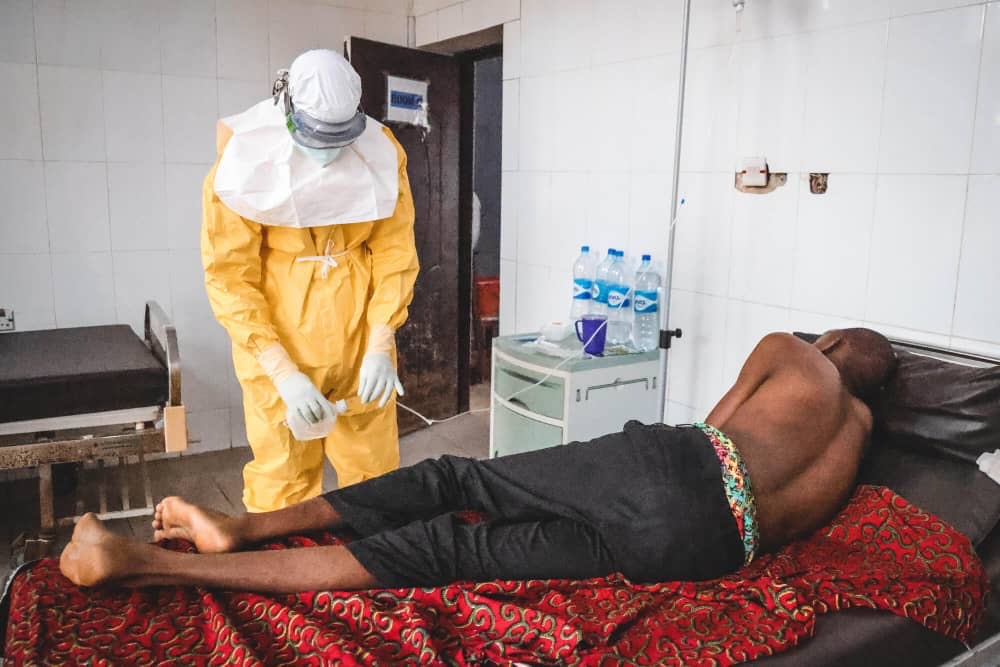
Throughout this outbreak, healthcare workers have been heavily affected by infections and deaths, a fact that should alarm all policymakers. Why is this preventable disease taking the lives of health workers that Nigeria needs? These workers are the ones standing between the disease and the general public, yet they are falling ill and dying at an alarming rate.
This isn't Nigeria's first encounter with Lassa fever, which makes the current situation even more unacceptable. The disease has been known in Nigeria since 1969. We can predict its seasonal patterns, identify high-risk areas, and understand how it spreads. Yet, we see outbreaks year after year, affecting new communities, while the same protection gaps keep taking lives.
Lassa fever is not a mystery. We know how it spreads and how to prevent it. What we lack is the strong political will and necessary investment to stop it.
When those who treat the sick become ill themselves, the healthcare system breaks down. Health workers often treat highly infectious patients in poorly equipped rooms, using protective gear that arrives late or runs out quickly. Nigeria is already suffering from a health workforce crisis, with many doctors and nurses leaving the country every year.
When those who stay fall victim to a disease their workplaces failed to protect them from, the fallout goes far beyond Lassa fever. Surgeries get postponed, deliveries of newborns go unattended, and maternal deaths rise. Every health worker lost to Lassa fever means multiple patients who miss out on care.
Protecting Our Frontline Workers
The top priority must be to protect the frontline health workers still on duty. Many primary healthcare centres in endemic states lack any isolation capacity. Governments need to fund isolation wards, maintain stockpiles of personal protective equipment, and create rapid-response plans for suspected cases.
Ribavirin, the antiviral drug that can reduce Lassa fever deaths if given early, should be stocked in endemic areas before the peak season. It should not be requested mid-crisis when supply chains are already stretched. Health workers must never have to improvise their safety against a deadly disease.
Knowledge is just as vital as protection. Health workers in high-risk areas must have regular training on how to use protective equipment, handle suspected cases, and manage samples safely. When a nurse contracts Lassa fever, it is not just a tragedy; it is negligence because the required training and tools were not provided. Preventing infections is a basic requirement, not a specialty skill.
In early 2024, before the last Lassa fever outbreak, Rivers State began preparing. The state's Public Health Emergency Operations Centre started stocking medicines, PPE, and other supplies needed for a quick response in public health facilities. They also began mobilizing the community and communicating risks. Infection prevention training was offered, isolation facilities were improved, and resources for care were enhanced. By the time four suspected cases were reported, workers were somewhat ready.
Tackling Lassa fever only at the clinical level does not address the root cause. The multimammate rat is the main carrier of the virus and thrives in overcrowded homes and poorly managed waste. Community rodent control, better food storage, and public education in local languages are low-cost ways to break the transmission chain before it reaches hospitals. Unfortunately, these efforts often lack funding, allowing the virus to return strongly every season.
Finally, health workers dealing with Lassa fever face burdens beyond the physical. They worry about getting infected, they grieve for lost colleagues, and they suffer from watching patients die in a flawed system. Hazard allowances for frontline workers should include mental health support.
Burnout and emotional strain are driving many health workers to leave. A health system that does not care for its workers physically, emotionally, and psychologically cannot be surprised when they leave, leading to a cascade of issues.
The Need for Urgency
Every health worker who dies from Lassa fever did not die from the virus alone. They died from inadequate protective gear, poorly designed facilities, and the lack of promised training. A nation that cannot safeguard those who protect its people must choose. It can respond to this crisis with urgency, or it can continue counting the dead and calling it an outbreak. The outcome of these choices is in our hands.



Drop your comment
No comments yet — be the first to drop the gist 👇