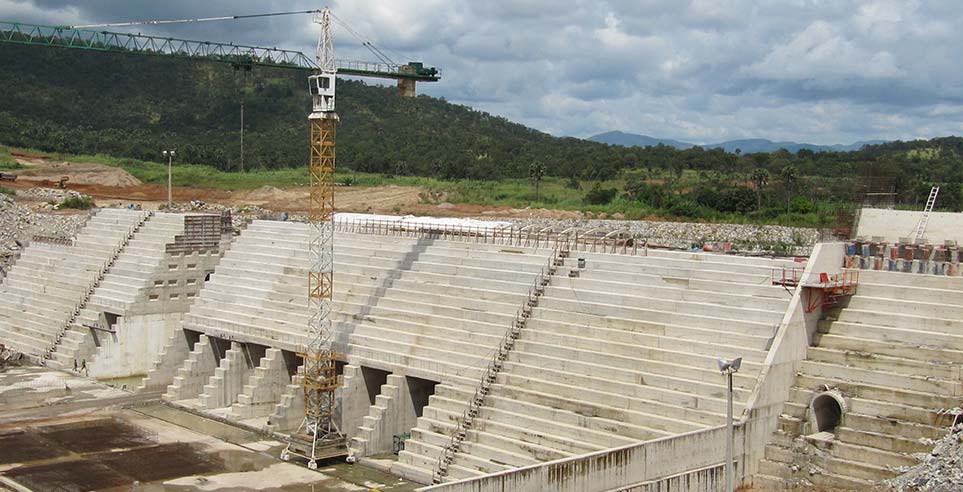
Leno Adesanya and his company, Sunrise Power Transition Company, lost their case at the International Chamber of Commerce (ICC). This decision led to celebrations across Nigeria.
The ICC rejected Sunrise’s USD 2.35 billion claim over the Mambilla Hydro Electric Power Project. They also turned down a USD 400 million settlement request. Instead, the tribunal ordered Adesanya and his company to pay Nigeria about USD 11, 82 million in legal costs and other expenses.
I was the only Nigerian journalist present at the tribunal on January 15, 2025, in Paris. I watched as the claims of corruption, deceit, and lies from Sunrise fell apart in the Ritz Carlton Hotel’s meeting rooms.
Former Presidents Olusegun Obasanjo and Muhammadu Buhari helped defend Nigeria against this case. Their situation was similar to the P & ID case, where international arbitration was used to defraud Nigeria. Buhari’s ministers, Sulaiman Adamu and Babatunde Raji Fashola, also supported the defense.
From the start, it was clear that Leno and his team would lose. Many witnesses they invited, including a lady from Senegal, did not show up. Rumors suggested that Senegalese women were part of their strategy to gain favor with government contacts.
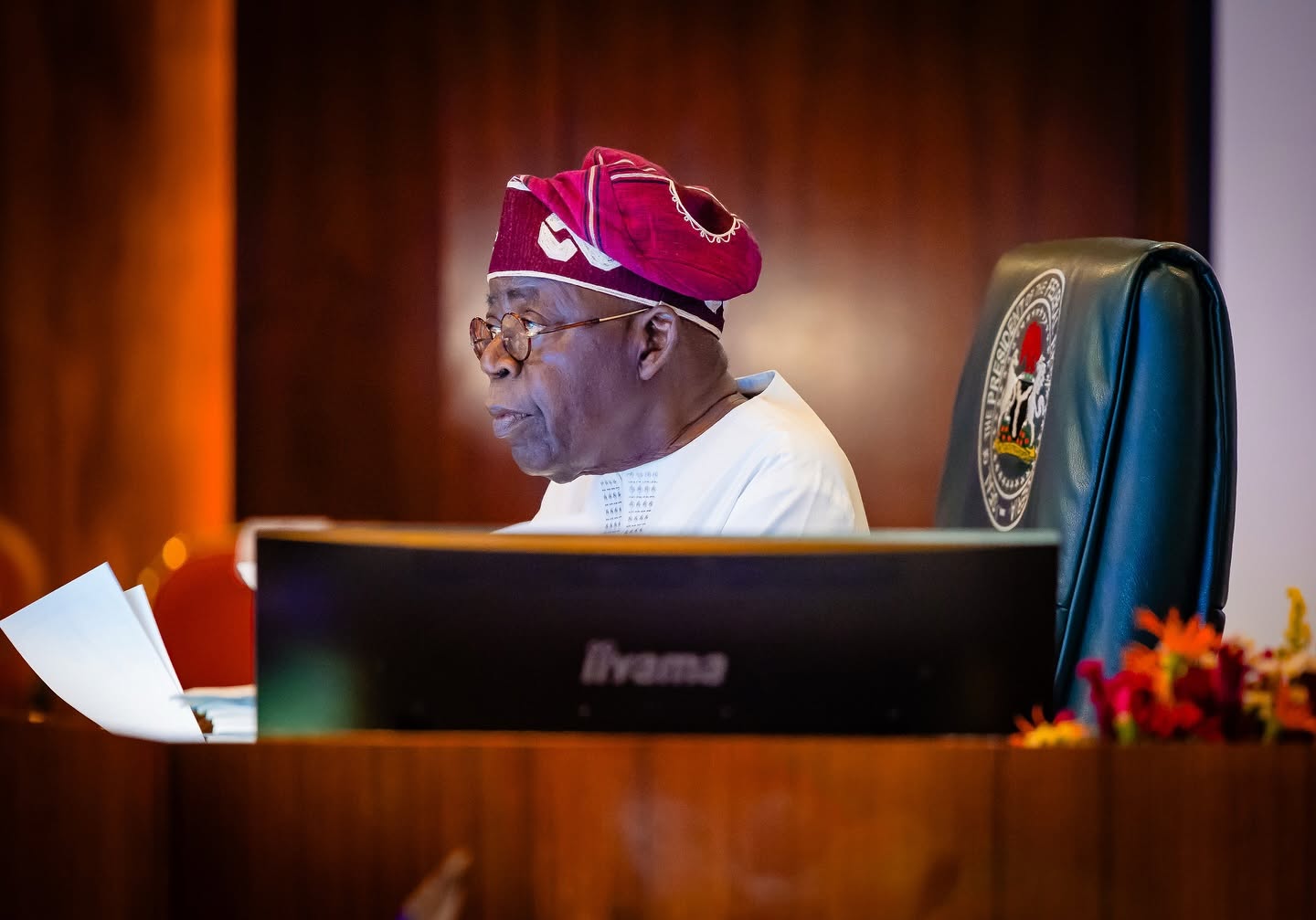
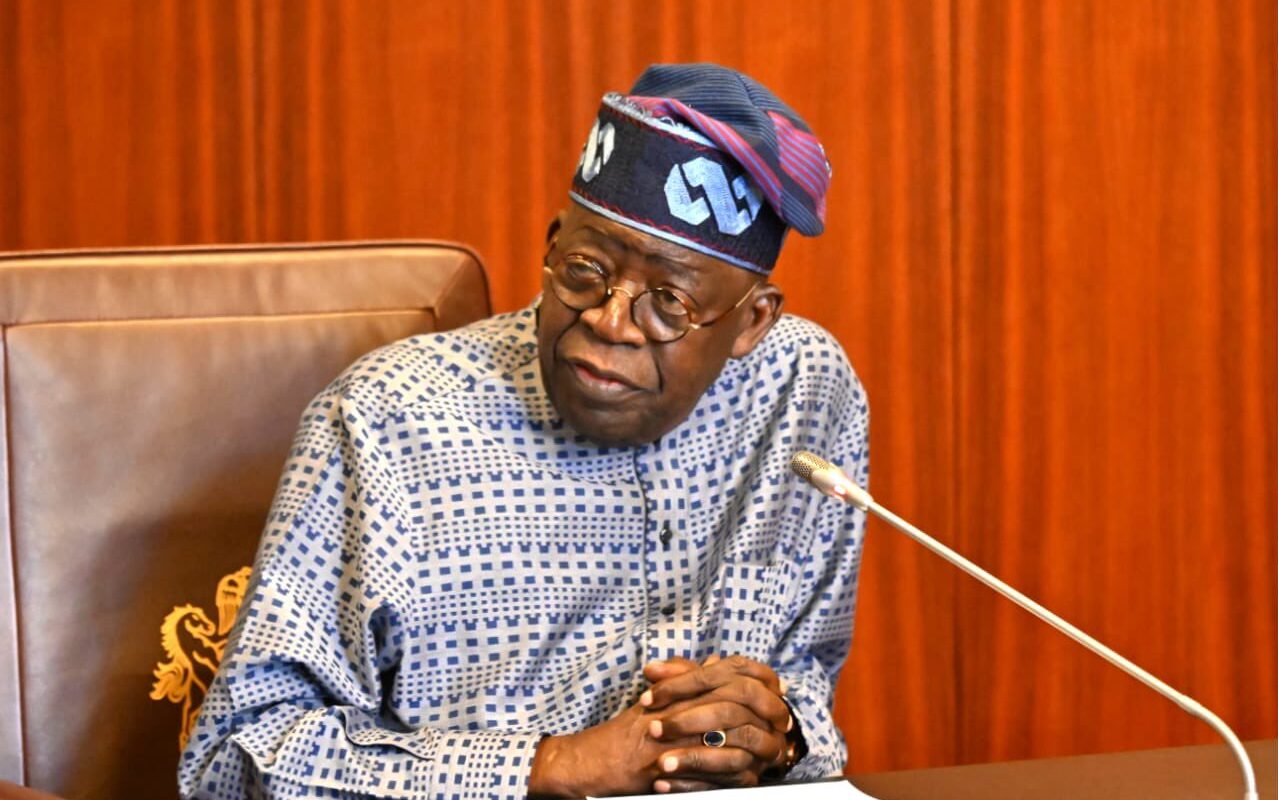
In Paris, USD 660 million was at stake alongside a future claim of USD 2.7 billion based on fake contract claims about the Mambilla project. President Bola Ahmed Tinubu urged the former presidents and key witnesses to defend Nigeria against fraudsters who aimed to bribe and secure contracts, only to claim huge sums through arbitration later.
The previous year, the English Supreme Court saved Nigeria from losing USD 11 billion through similar tricks. President Tinubu said, "Not again."
The Justice Minister, Lateef Fagbemi, SAN, led the team to Paris. On May 21, 2003, the Federal Executive Council (FEC), chaired by President Obasanjo, reviewed a memo about awarding the Mambilla contract to Leno Adesanya. They refused to approve it and asked for the memo to be withdrawn. They insisted that new power plants must be selected through competitive bidding.
Despite this, on May 22, 2003, just a day later, Minister Olu Agunloye sent Adesanya a letter suggesting preliminary approval for Sunrise to join the Mambilla Hydro Electric Power Station project worth USD 6 billion. Sunrise received this “award” despite having no real experience or assets.
Documents shown to the tribunal revealed that Sunrise had no turnover in 2017, 2018, or 2019. They declared total net assets of only N1,000,000 (one million Naira). When they received the “award,” Sunrise had only N318,685 on December 3, 2004, and N270,370 as of December 31, 2005.
A new Minister informed Leno Adesanya on September 3, 2003, that the FEC had not approved the contract. Therefore, Sunrise had no agreement with the government. A new tender was opened for the Mambilla project, awarded to two Chinese firms, CGGC and CGC.
Later, during a meeting between President Buhari and Chinese leader Xi Jinping, Nigeria requested funding from ChinaExim Bank for the project. President Xi promised to help with the project’s funding.
Sunrise’s troubles began when they demanded payment of GBP 33 million for project preparations and USD 1.2 billion, which they claimed represented 20% of the USD 6 billion project cost as expected profit.
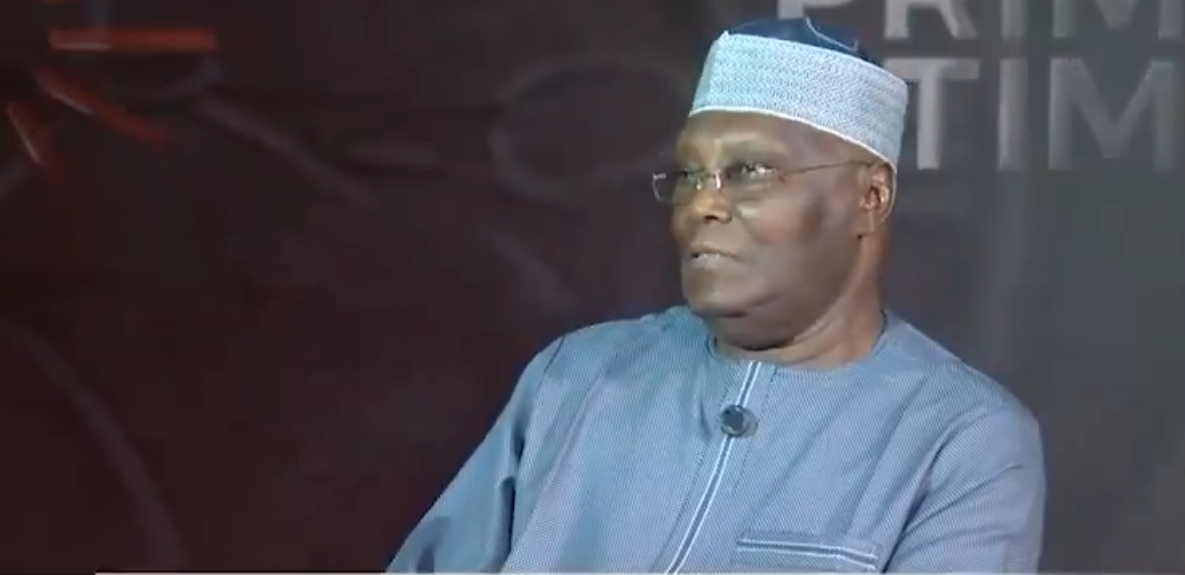
Sunrise tried to block the project by filing claims against Nigeria’s Minister of Power and CGGC. They sought to stop any development of the project unless it went through Sunrise and claimed USD 960 million in damages.
This legal fight delayed the project for years, with ChinaExim withholding funds until the legal issues were settled. Nigeria then entered into settlement talks with Sunrise, CGGC, and CGC. The Buhari administration took over these discussions.
In 2012, the Federal Ministry of Power signed a ‘General Project Execution Agreement (GPEA)’ with Sunrise and Sinohydro, another Chinese contractor involved with the Mambilla project.
On January 14, 2015, the Ministry of Power signed a letter that seemed to approve Sunrise as the local content partner for the project. On November 9, 2019, a meeting took place in London between Mr. Adesanya from Sunrise and Nigeria's Attorney-General and Minister of Justice.
During this meeting, it was clear that any settlement would need the president’s approval. Mr. Adesanya offered to accept USD 500 million, but the Ministers countered with USD 100 million based on their expenses of USD 70 to 80 million.
After many meetings, the Attorney General and other ministers proposed USD 200 million as a final settlement, pending the president's approval. Sunrise accepted this offer.
On March 25, 2020, an ‘Addendum to the Term[s] of Settlement’ was signed between Sunrise and Nigeria. This document included a clause allowing Nigeria’s liability to double if payment was delayed.
On March 31, 2020, the ‘Terms of Settlement’ were presented to President Buhari for the first time. He decided against it, writing a note on April 20, 2020, stating, "FG hasn’t got USD 200m to pay Sunrise."
Despite pressure from aides, President Buhari did not believe Nigeria should pay someone who had no legal contract. Sunrise then started another arbitration against Nigeria, claiming breach of settlement terms and seeking USD 680 million in damages.
President Tinubu welcomed the tribunal's decision as the end of the biggest legal challenge facing the 3,960MW Mambilla power project. He called it proof that Nigeria will not give in to harmful claims from local and international groups.
Next, he needs to act quickly in Nigeria's interest. He should contact the Chinese leader to fulfill the promise of funding the power project.

Drop your comment
No comments yet — be the first to drop the gist 👇