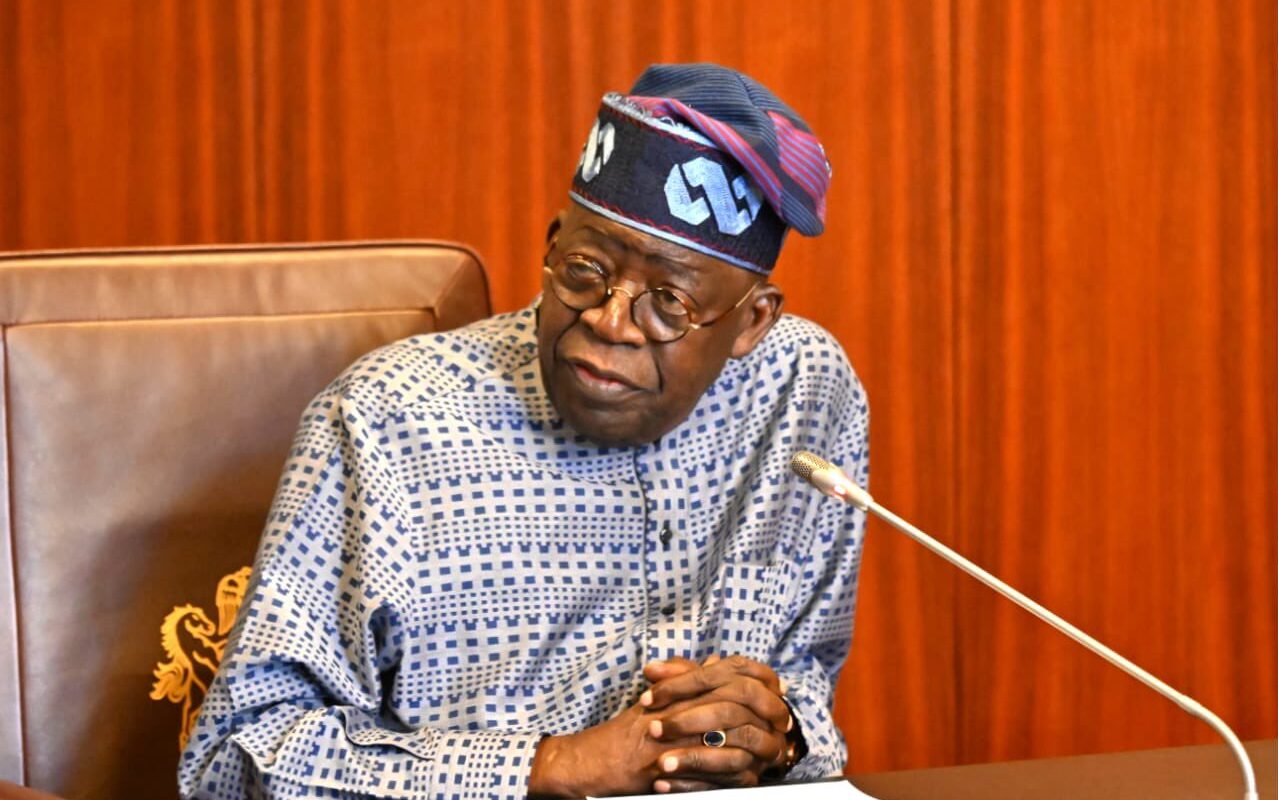
President Bola Tinubu says the federal and state governments are working to lower transport costs through the National Affordable CNG Transit Programme. They aim to start showing fare reductions from October 1.
In a statement on Saturday, Mr. Tinubu said they set up an implementation committee under the Nigeria Governors’ Forum. This follows his meeting with the 36 state governors on August 27.
He pointed to existing CNG and electric transport projects in several states as proof that cheaper energy leads to lower fares.
In Borno, CNG and electric buses charge between N50 and N100 on routes where normal fares are between N300 and N600. In Kaduna, 100 CNG buses carried about 3.2 million passengers in their first year and saved commuters over N3.5 billion.
Examples of Reduced Fares
Other examples include the Lagos, Ibadan fare dropping from about N8,000 to N3,200 in Oyo. There was also a 50 percent fare cut in Adamawa and reduced fares on routes in Enugu, Plateau, Niger, Abuja, and Abia.
The President said Nigeria faces global energy price shocks, making it important to switch to alternative fuels.
"Nigeria cannot control events in global energy markets. But as a gas-rich nation, we can reduce our exposure," the statement added.
He mentioned that over 120,000 vehicles have been converted to CNG. There are more than 400 certified conversion centres and over 90 refuelling stations across the country.
Mr. Tinubu urged states to speed up CNG rollout and make sure lower energy costs lead to cheaper fares for commuters.
Read the full statement below:
PRESIDENT TINUBU GIVES AN UPDATE ON THE NATIONAL AFFORDABLE CNG TRANSIT PROGRAMME
On August 27, I met with the Governors of our 36 States, and we agreed on a clear goal. From October 1, more Nigerians should start seeing visible reductions in transportation costs.
We set up an implementation committee for the National Affordable CNG Transit Programme under the Nigeria Governors’ Forum, chaired by Governor AbdulRahman AbdulRazaq.
I know the committee, PI-CNG & EV, the States, and other key stakeholders are working hard to identify key transport routes, plan needed actions, and make necessary arrangements.
This work is becoming even more urgent due to the current global energy crisis.
We already have proof from across Nigeria of what can happen when cheaper energy leads to cheaper transportation.
In Borno, CNG-powered and electric public transport services are charging commuters between ₦50 and ₦100 on routes where commercial operators charge between ₦300 and ₦600.
In Kaduna, 100 CNG-powered buses provide free rides on major routes. In their first year, these buses carried about 3.2 million passengers, saving commuters over ₦3.5 billion in transport costs.
In Oyo, CNG buses deployed to Pacesetter Transport brought the Lagos, Ibadan fare down from about ₦8,000 to ₦3,200 during the initial rollout.
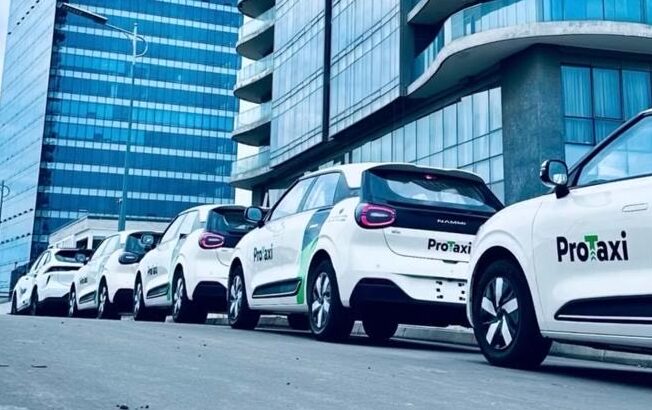
In Adamawa, alternative-energy transit services have cut fares by up to 50 percent, from ₦8,000 to ₦4,000.
In Enugu, where 100 CNG buses are in use, the Enugu, Nsukka fare dropped from ₦2,500 to ₦1,500.
In Plateau, government-supported buses carry about 13,000 commuters daily at ₦200, compared to over ₦500 commercially.
Through our partnership with the NURTW, passengers on CNG-converted commercial vehicles on several Abuja routes get a 40 percent fare reduction. For example, fares from Area 1 to Gwagwalada fell from ₦1,500 to ₦900; Nyanya from ₦700 to ₦420; and Wuse from ₦400 to ₦240.
In Niger, passengers on the Suleja, Abuja service pay ₦550 instead of about ₦800. Abia has deployed 40 electric buses with fares subsidised by 50 percent.
These are not predictions. Nigerians are already enjoying these savings.
I commend the Governors and State Governments that have acted quickly. However, I believe more still needs to be done. The Federal Government will support you to do more.
Global energy supply issues are once again pushing up petrol and diesel prices and raising transport costs worldwide.
Nigeria cannot control events in global energy markets. But as a gas-rich nation, we can reduce our exposure.
That is what we have been working on.
Over the last three years, my administration has actively invested in building a CNG transportation system across Nigeria. Today, over 120,000 vehicles have been converted; we have more than 400 certified conversion centres and over 90 CNG refuelling stations across the country, and these numbers are growing.
At a time like this, we cannot go back to the petrol subsidy system that cost us trillions and left our economy vulnerable to every change in international oil prices, as some have suggested.
We must push forward with the cheaper options we are developing locally.
It is good to see this movement spreading. Edo already has 50 CNG buses in operation. Kano has converted over 1,000 commercial vehicles while quickly expanding its conversion and refuelling network. Delta, Kwara, and Lagos are enhancing CNG-supported transport services. Akwa Ibom has received 50 CNG buses ahead of starting commercial operations.
I encourage every State to keep up the momentum towards October 1. Work with transport unions and commercial operators. Support vehicle conversion and fleet deployment. Make sure the necessary infrastructure is in place. Most importantly, ensure that savings from cheaper energy reach Nigerian citizens through lower fares.
The Federal Government will keep supporting the growth of CNG infrastructure and access, expand conversion capacity, and create the right environment for States, transport operators, manufacturers, and private investors to join in.
Nigeria has the gas. We are building the infrastructure. We are already seeing the savings.
Now we must move faster and expand this so that more Nigerians feel those savings in the fares they pay every day.
Bola Ahmed Tinubu, GCFR
President & Commander-in-Chief of the Armed Forces
Federal Republic of Nigeria
September 19, 2026
Drop your comment
No comments yet — be the first to drop the gist 👇