
On Friday, for about four hours, gunmen ran rampage through Binnari, a rural community in Taraba State’s Karim-Lamido Local Government Area. They shot at residents, looted shops, and set houses on fire as terrified villagers ran for their lives.
The attackers chose the community’s weekly market day when traders and buyers from nearby areas come to sell farm produce, food, and other goods.
When the assailants finally withdrew, residents were left searching bushes and a river for missing family members. Burnt houses, damaged shops, and abandoned belongings showed the scale of destruction.
The attack on 23 October has left the community dealing with a high death toll, displacement, and questions about how the gunmen could operate for hours in an area marked as a security concern by the state government.
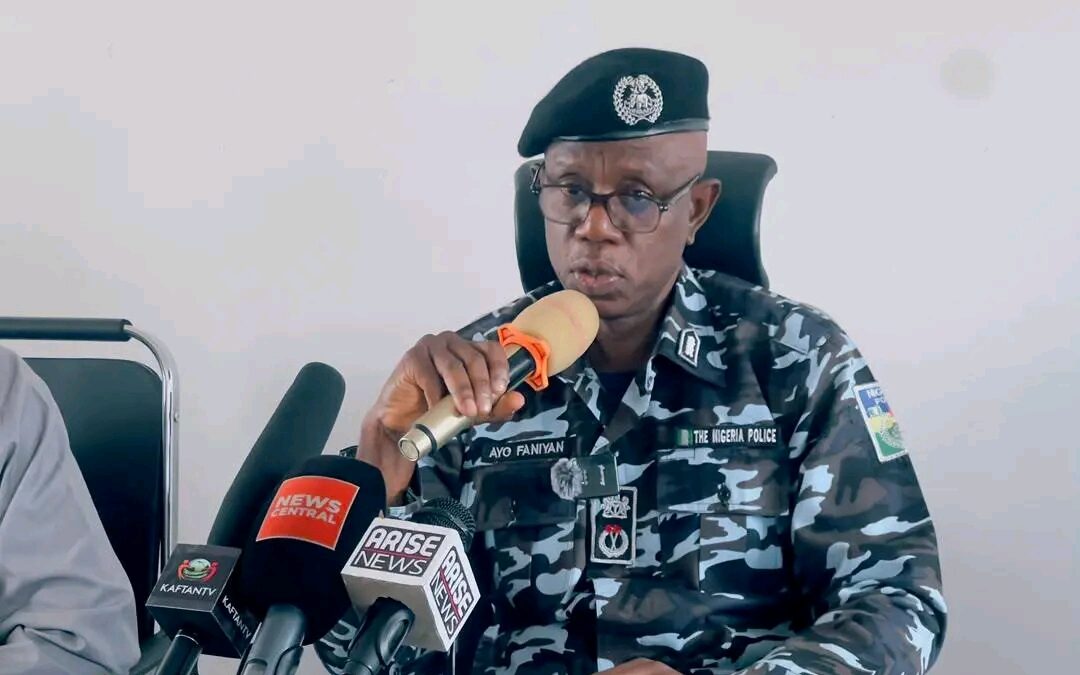
The Taraba State Police Command has reported the death toll at 58, including 15 people who drowned while trying to escape in an overloaded canoe. Police spokesperson Victor Mshelizah stated that search operations led to finding more bodies in nearby bushes and a river.
This number is a sharp rise from the 10 deaths first announced by the police on Friday. Other reports from the community suggested the death toll could be between 40 and 50 as more bodies were discovered.
The differences in casualty figures highlight the difficulty of getting a full picture of the attack, with some residents still looking for missing relatives.
No group has claimed responsibility for the attack as of Sunday.
A Market Day Turned Deadly
The timing of the attack made it especially tragic for residents.
The weekly market serves as an important commercial hub for Binnari and surrounding areas. It brings together farmers, traders, and residents who rely on rural trade.
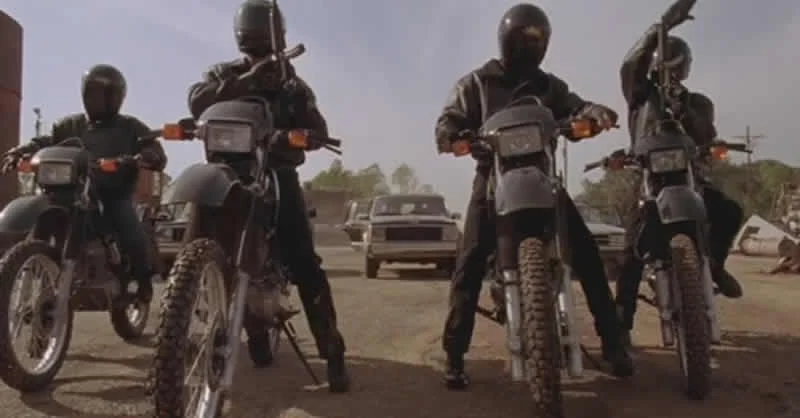
Community members said the attackers came in large numbers on motorcycles shortly after the Muslim congregational prayers and opened fire on people. They looted shops, stole cash, food supplies, and motorcycles, and set houses and other properties on fire.
Abubakar Saifullahi, a community leader, told Agence France-Presse that the attackers took away provisions and motorcycles that people left behind while fleeing.
Mr Mshelizah mentioned that some residents died trying to cross a river in an overloaded canoe, which capsized, leading to more deaths.
The recovery of bodies from the river and surrounding areas has made it hard to determine the total number of casualties.
Residents Question Their Protection
Beyond the loss of lives and property, the attack has raised concerns about how well security agencies can protect isolated communities in Karim-Lamido.
A trader known as Adamu said the attackers operated for hours without any resistance.
"We have no government in place," he said, referring to how long the attack lasted and the destruction during the market raid.
His statement reflects the frustration of residents over lack of protection and repeated attacks.
Yimita Sunday, a hunter and member of the Youth Security Volunteers Vanguard in Karim-Lamido, explained that poor roads, rough terrain, and weak telecommunications made it hard to alert security agencies and reach victims.
Eventually, local hunters and vigilantes chased the attackers into the surrounding forests before security personnel arrived.
Ephraim Kwachi, an aide to the Karim-Lamido council chairperson, said the gunmen fled toward settlements near the borders with Plateau and Bauchi states.
Local sources told PREMIUM TIMES that the attackers got into the community through a border settlement in Plateau State.
The police announced more deployments after the incident, but a detailed report on the security response during the attack was not available right away.
Taraba’s Overlapping Security Crises
The Binnari killings fit into a larger problem of insecurity in Taraba. Communal clashes, farmer-herder conflicts, banditry, kidnapping, and attacks on rural areas have repeatedly threatened lives and livelihoods.
Unlike states facing threats from Boko Haram and the Islamic State West Africa Province, Taraba’s insecurity arises from a mix of local conflicts, crime, and disputes over land and resources.
A security assessment by the European Union Agency for Asylum, using data from the Armed Conflict Location and Event Data Project (ACLED), noted ongoing violence in Taraba. This includes clashes, land disputes involving the Tiv and Jukun communities, farmer-herder conflicts, kidnappings, and banditry.
The agency recorded 157 security incidents in Taraba from January 2024 to December 2025, leading to 242 deaths. It also noted 62,564 internally displaced people in the state by February 2025, mostly due to communal clashes and insurgency.
These figures cover various forms of insecurity in the state and should not be seen as casualties from a single conflict.
Karim-Lamido has been a hotspot for violence, with its location near the borders of Plateau, Bauchi, and Gombe states complicating security operations. Armed groups can move through rural areas and rough terrain easily.
The European Union Agency for Asylum’s assessment recorded 26 security incidents in Karim-Lamido between January 2024 and August 2025, which is the highest in Taraba during that time. Wukari had 24 incidents, while Takum had 23.

These figures show how insecurity spreads in the state, even though the incidents vary in nature, severity, and the people involved.
A Security Concern Before the Massacre
This latest attack happened despite Governor Agbu Kefas’ earlier actions.
On 2 January 2026, Mr Kefas declared Karim-Lamido a special security area through Executive Order No. 1 of 2026 due to ongoing communal clashes and bandit-related attacks.
The declaration aimed to strengthen peace efforts, protect residents, and create a safe environment for economic and social activities.
But violence has continued to threaten communities in the area.
In June, lawmakers called for urgent federal help after renewed clashes that reportedly killed at least five people and displaced many.
The ongoing violence leaves communities facing immediate threats to their lives and the destruction of homes, farms, and livestock, which are crucial for their livelihoods.
For farmers and traders, insecurity often means losing access to farmland, missing market days, and abandoning businesses. Displacement can disrupt children’s education and access to healthcare, while repeated attacks make recovery harder.
Binnari’s market day was not just a trading event. It was a key part of the economic and social life of a rural community now trying to recover from a terrible attack.
Relief Operation Begins
After the attack, the Taraba State Government ordered emergency help for affected residents and told security agencies to restore calm and catch those responsible.
The Taraba State Emergency Management Agency (TSEMA) sent a team led by Echuseh Audu to distribute relief items and assess the damage.
The first phase of the intervention included food and non-food items for affected households and displaced families. The agency also began to check damage to homes, shops, and livelihoods to see what more help is needed.
The government said the relief operation would be followed by more support based on the assessment results.
Mr Kefas condemned the killings and ordered security agencies to protect lives and property, restore order, and bring those responsible to justice.
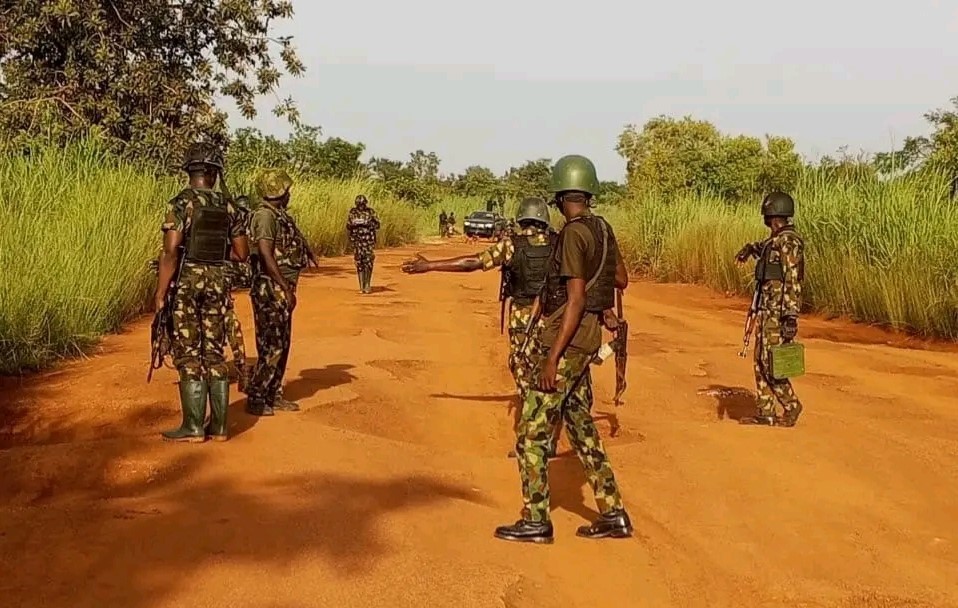
The police also announced they would deploy more personnel, including tactical units, mobile police officers, and conventional police, along with the Nigerian Army and other security agencies.
Residents were asked to stay calm, remain vigilant, and provide credible information to security operatives.
Before the attack, the governor had also approved ₦1 billion for the Taraba State Bureau for Peace and Conflict Management to aid peace efforts, address the aftermath of earlier crises, and help displaced people return safely to Karim-Lamido.
But the recent killings have raised new questions about how effective current security measures are and whether peacebuilding efforts have really led to proper protection for vulnerable communities.
The relief operation meets immediate humanitarian needs but does not address how the attackers reached Binnari, why they could sustain the attack, or what will stop another attack.
As of Sunday, the government and police had not made any public announcements about arrests related to the killings or given details about a new, long-term security plan specifically for Binnari.
Calls for Investigation and Accountability
Amnesty International Nigeria has called for a fair investigation into the killings, justice for the victims, and reparations for the affected families.
The organization’s reported casualty figures also emphasize the need for authorities to account for missing residents and to fully understand the scale of the attack.
For affected families, immediate concerns include recovering and identifying bodies, arranging burials, and securing support for survivors. Displaced residents also need shelter, food, healthcare, and help to rebuild their homes and lives.
But the attack raises bigger questions for the state government and security agencies. Are early-warning systems working in remote communities? Can security personnel reach threatened areas quickly? Is intelligence shared properly across state lines?
Identifying and prosecuting those responsible would be an important step toward justice. But preventing more violence will require ongoing security efforts and attention to the conflicts and criminal networks that still threaten rural communities.
Binnari’s weekly market may eventually reopen, and affected families might receive more help. But rebuilding trust will take more than just delivering relief materials.
For residents who fled into bushes and a river from gunfire, the big question is whether they can go home without fearing another attack.
Until authorities can show that vulnerable communities like Binnari are properly protected, the killings will remain a sad reminder of the gap between official security promises and the safety residents feel.



Drop your comment
No comments yet — be the first to drop the gist 👇