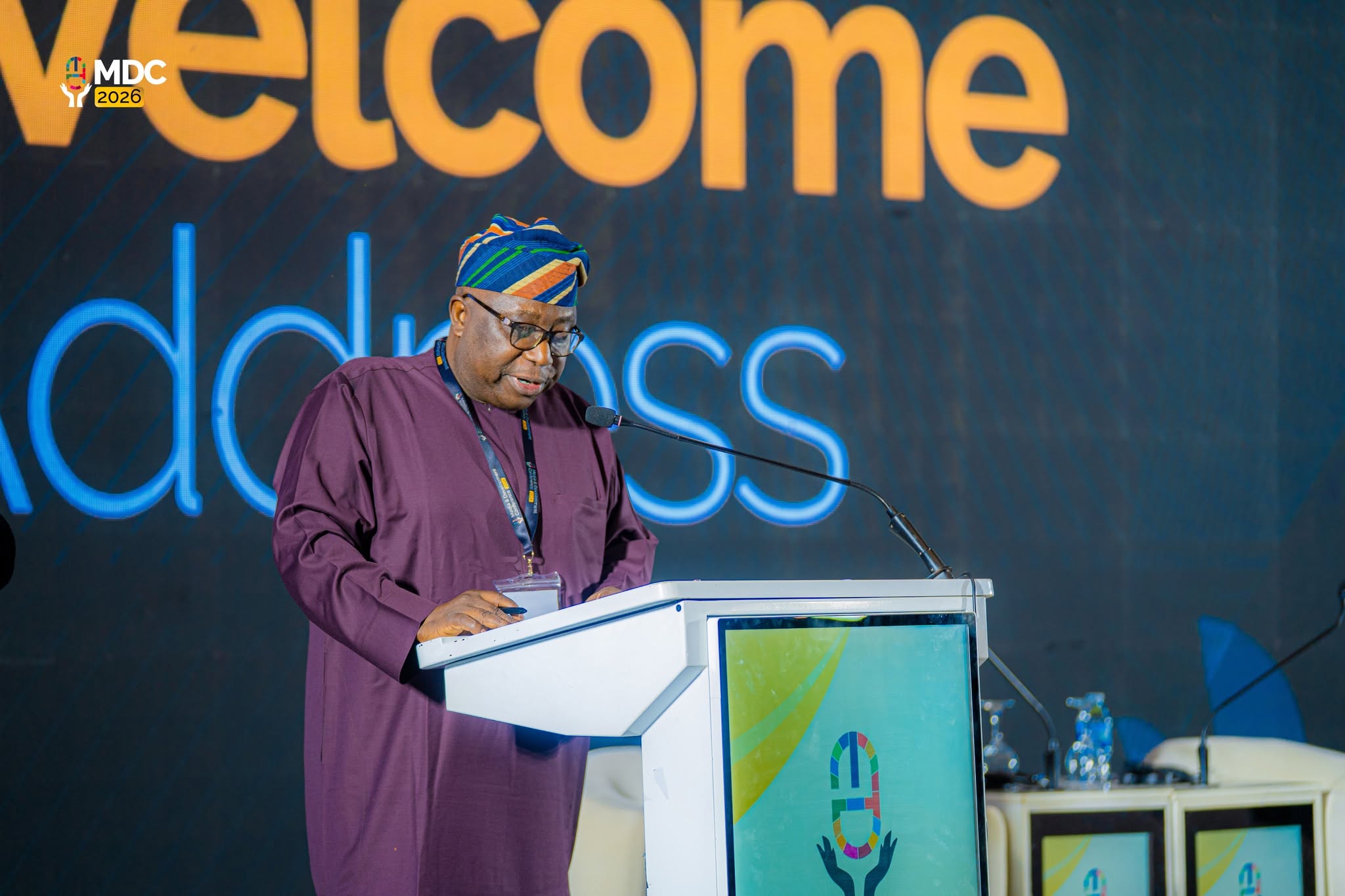
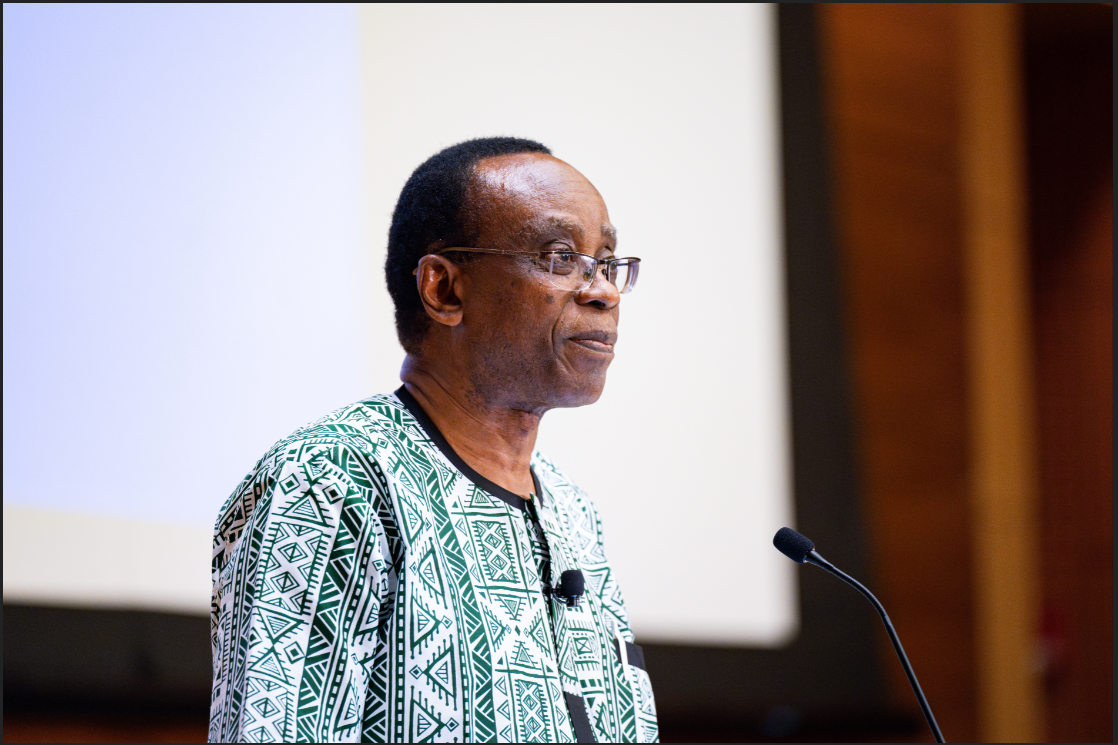
Reliable information is a public good that needs to be protected. This means there should be responsible regulation, public investment, and accountability from tech companies. Dapo Olorunyomi, the Publisher of PREMIUM TIMES, said this on Monday as the Media and Development Conference (MDC) began.
In his opening speech at MDC2026, Olorunyomi, who also founded the Centre for Journalism Innovation and Development, pointed out that the power of tech companies over how Africans access and consume information makes accountability very important.
"Information integrity is not a luxury reserved for wealthy democracies or well-funded media organisations. It is a public good," he said.
The MDC is a three-day event that brings together journalists, policymakers, researchers, tech companies, civil society leaders, and development institutions from across Africa. They meet to discuss the challenges facing journalism and democratic governance in a technology-driven world.
This year's conference is the fourth edition and is themed "Media, Technology and the Future of Democratic Societies."
While speaking to delegates, Olorunyomi highlighted that a few global tech companies have a lot of power over how millions of Africans find, consume, and judge information.
Their choices on algorithms, content moderation, and platform policies can shape the political visibility of information and the survival of media organisations, he said.
He argued that as these companies gain more power in the information space, they must also take on more responsibility to the public.
"Technology has become democratic infrastructure. And infrastructure without accountability is simply monopoly power with better marketing," he said.
"Companies that derive enormous value from our societies’ information ecosystems have responsibilities that extend beyond their shareholders and quarterly earnings. The greater their power, the greater their obligation to the public."
Olorunyomi urged tech companies to be open about how their algorithms rank and promote information, especially during elections and other sensitive times.
He also called for more investment in local-language content moderation so that speakers of Hausa, Igbo, Yoruba, Wolof, Twi, and other African languages are well represented in systems that affect their lives.
He advocated for fair compensation for publishers whose journalism adds value to digital platforms and helps in developing artificial intelligence models, including large language models.
He stressed that tech companies benefiting from news organisations' information should recognize publishers' contributions and set fair terms for using their work.
Olorunyomi emphasized the need to protect journalism's worth and ensure that technology supports the profession instead of dictating its path.
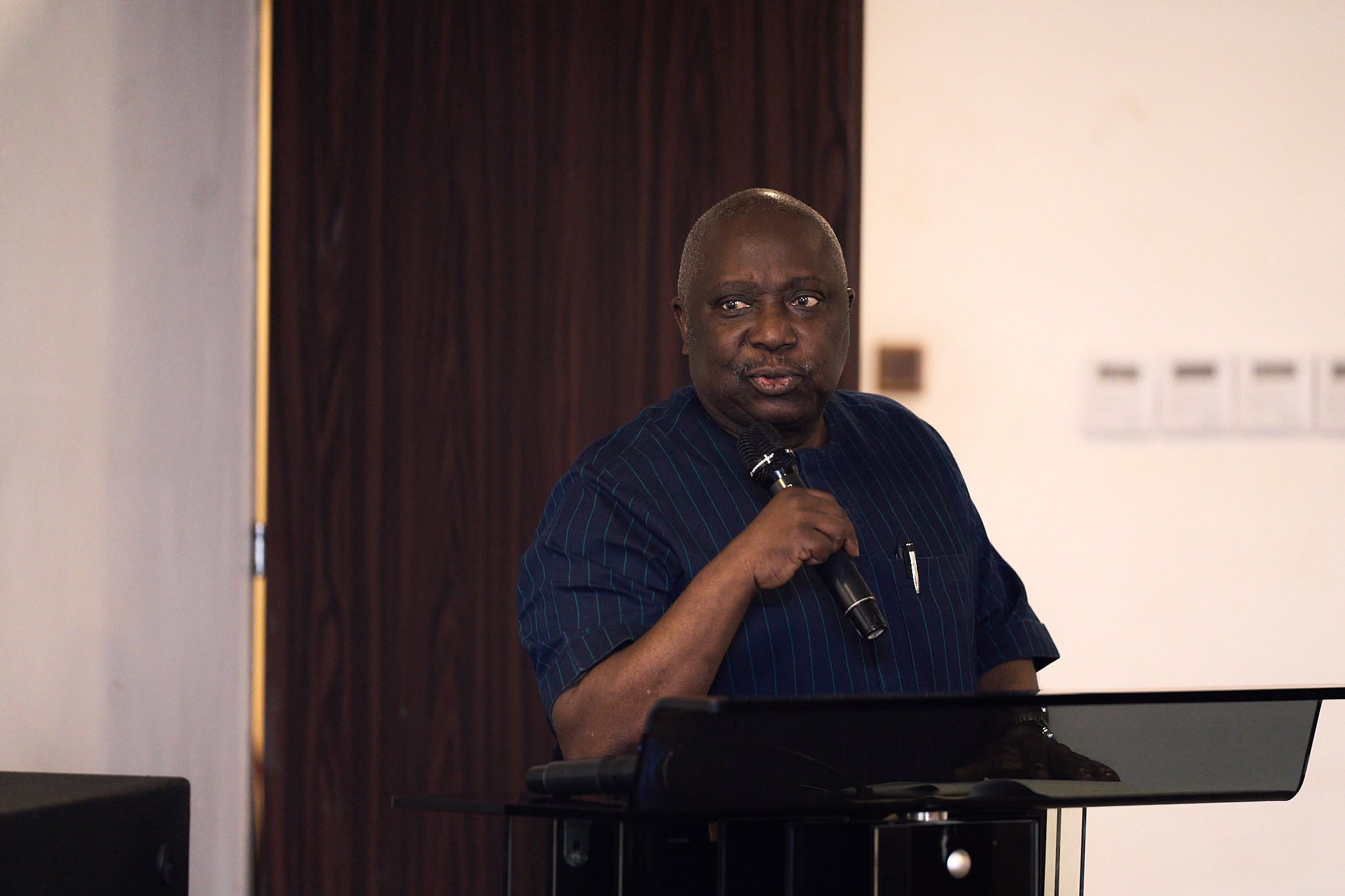

He said the bond between journalism and technology should focus on accountability and the public's interest. Media organisations should not depend on systems they cannot influence.
Before the day’s discussions, Olorunyomi warned against seeing technology solely as a threat to journalism. He said the real issue is the concentration of tech power without transparency and fair arrangements.
"This conversation must not descend into technological pessimism," he said.
"It would be intellectually dishonest and strategically unwise to portray technology as an inherent threat to journalism."
He noted that African journalists have shown the advantages of technology through data journalism, satellite imagery, and mobile reporting.
These tools help journalists uncover public spending patterns, document conflicts, reach underserved communities, and boost collaboration among newsrooms.
But Olorunyomi said these tech companies have made their algorithms favor outrage over accuracy and virality over verification.
This puts media organisations in a tough spot as they compete for visibility on platforms they cannot control or fully understand.
He explained that this leads to falling advertising revenues, shrinking budgets, and losing experienced journalists.
False information spreads quickly through social media and trusted networks, even in local languages. This makes it hard to trace its source and can have lasting effects.
By the time credible verification comes, the false information might have already influenced public views and deepened divisions.
"This is the information environment in which our democracies increasingly operate: one where the speed of deception routinely outpaces the capacity of institutions to establish the truth," he said.
"Information integrity is a public good. And public goods cannot survive on goodwill alone. They require public investment, responsible regulation, independent institutions, professional standards, and a collective commitment to ensuring that citizens have access to reliable information."
He concluded that democracy cannot work properly when citizens are denied the information they need to make informed choices and hold those in power accountable.

Drop your comment
No comments yet — be the first to drop the gist 👇