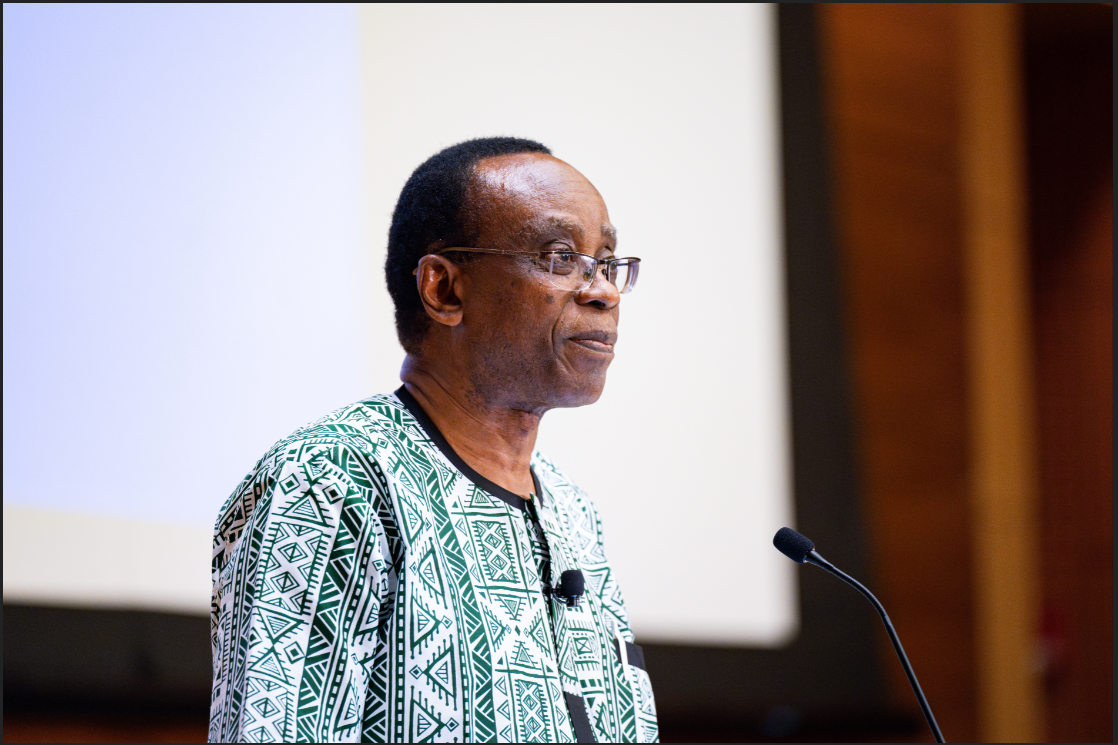
Nigerian environmentalist Nnimmo Bassey has criticized the collapse of the 31st United Nations Climate Change Conference (COP31) for not reaching a final agreement. He accused oil-producing countries of blocking efforts to make real progress against climate change.
In an opinion piece titled “COP31 Failed the World,” Mr Bassey said that the conference’s failure to talk about fossil fuels in its final decision showed how much influence countries relying on oil and gas have.
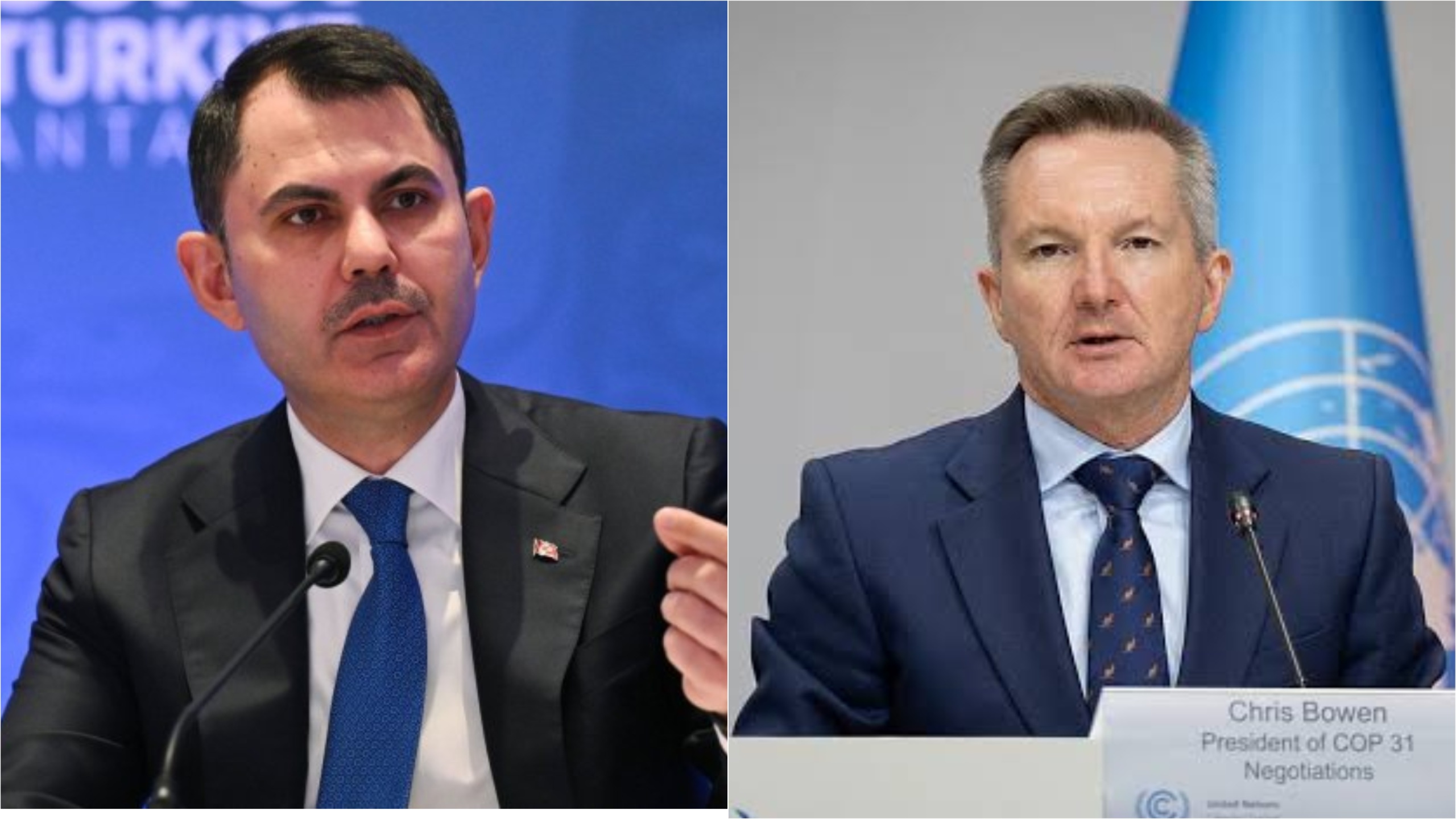
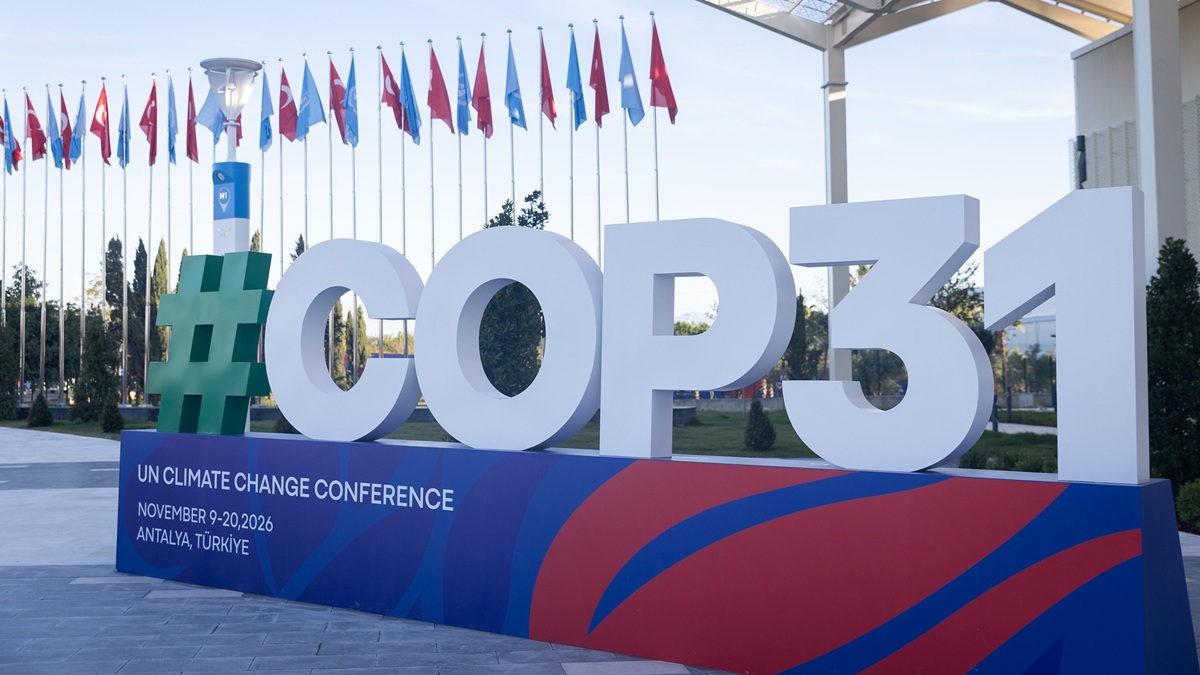
COP31 ended on Sunday in Antalya, Türkiye, without adopting its proposed main agreement. This happened after disagreements among countries about fossil fuels, climate finance, and carbon capture technologies.
Negotiations went past the planned closing date, with countries split on whether the final document should commit to moving away from fossil fuels.
Mr Bassey, who is an environmental activist, said leaving out fossil fuels from the proposed decision was a big step back for global climate talks. This is especially concerning since previous conferences had promised to cut down on coal, oil, and gas.
He reminded everyone that COP28 in Dubai, United Arab Emirates, agreed to move away from fossil fuels, while COP30 in Belém, Brazil, provided plans to achieve that transition.
He accused Saudi Arabia, Russia, and other oil-producing nations of blocking attempts to include fossil fuels in the COP31 agreement.
“It is indeed a shame that although COP21 at Glasgow agreed to phase down, not phase out, coal; COP28 in Dubai agreed to a vague transition away from fossil fuels, and COP30 in Belém offered road maps for transitioning away from fossil fuels, COP31 in Antalya blatantly excludes a mention of fossil fuels even in passing,” he wrote.
The failure to reach an agreement also drew criticism from United Nations Secretary-General António Guterres. He said the worsening climate situation demands urgent action despite this diplomatic failure.
“There may be no consensus in the negotiating room. There is no ambiguity in the science,” Mr Guterres said after the conference ended.
Mr Bassey argued that the failure shows that major polluting countries do not want to take responsibility for the climate crisis and are not providing enough financial help to developing countries facing the impacts of global warming.
Climate finance issues
The Nigerian environmentalist also spoke against the limited funds available for the Loss and Damage Fund. This fund is meant to help vulnerable countries deal with climate-related disasters.
He said the money promised by rich countries is not enough compared to what developing nations need. A report presented at COP31 showed that $822.71 million had been pledged to the fund by July 31, 2026, but only $485.77 million had been received. Meanwhile, developing countries have asked for $2.8 billion in funding.
Mr Bassey claimed that the funding gap shows that wealthy polluting nations do not want to take responsibility for the harm caused by their past emissions.
He also criticized how much governments spend on military needs compared to climate action, saying they put warfare above helping vulnerable communities.
Warning for Africa
Mr Bassey warned that Africa will suffer the most from the failure to reduce global emissions meaningfully.
He pointed out that projections suggest the world could see a temperature rise of 2.6 degrees Celsius above pre-industrial levels, even with countries promising to cut emissions.
For Africa, he said the impact could be worse, with warming possibly hitting 3.9 degrees Celsius.
The Paris Agreement aims to limit global warming to below two degrees Celsius while trying to keep it under 1.5 degrees Celsius above pre-industrial levels.
Mr Bassey said the COP31 decision also raised worries about promoting carbon removal technologies. He believes this could allow continued fossil fuel production instead of tackling the main causes of global warming.
He warned that depending on unproven technologies and carbon removal plans could put vulnerable countries at even more environmental risk.
Call for a people’s conference
With negotiations ending without a main agreement, Mr Bassey called for a serious rethink of global climate talks.
He suggested a people’s conference on climate change, inspired by the 2010 Cochabamba People’s Summit on Climate Change in Bolivia.
He said climate negotiations should focus on the communities affected, climate justice, and the idea of Common but Differentiated Responsibilities. This recognizes that countries have different histories and abilities to tackle climate change.
“It is time to go beyond the COPs to force real actions and real solutions based on the principle of Common but Differentiated Responsibilities,” he said.
He added that real climate action needs a change in global economic and political systems that favor fossil fuel profits over protecting the environment.
The failure of COP31 to reach a main agreement is a significant setback for international climate talks. Discussions on unresolved issues are expected to continue before COP32, set for Addis Ababa, Ethiopia.

Drop your comment
No comments yet — be the first to drop the gist 👇