As the world celebrates the International Day for Universal Access to Information (IDUAI), a group that advocates for gender issues is urging that access to information should be more sensitive to gender needs.
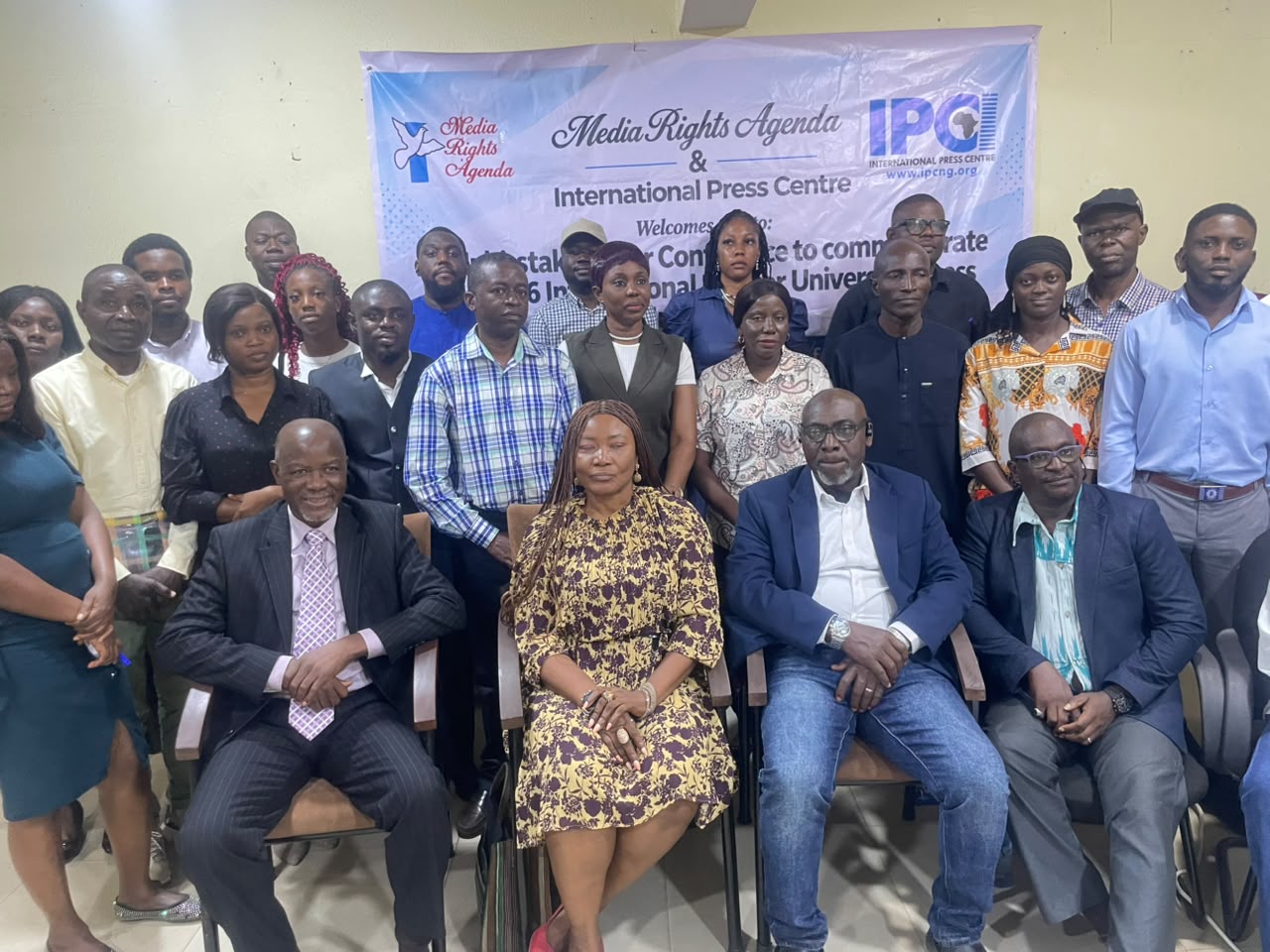
Abiola Afolabi-Akiode, who is the founding Executive Director of the Women Advocates Research and Documentation Centre (WARDC), made this statement on Monday at an event organized by the Media Rights Agenda (MRA) together with the International Press Centre (IPC) in Lagos.
The event had the theme, ‘Freedom of Information (FOI) in the Age of Disinformation: Why Transparency Matters More Than Ever.’
The International Day for Universal Access to Information is observed every year on 28 September. It was set up in 2015 to raise awareness about the importance of public access to information and transparency.
The theme for 2026 is ‘Upholding information integrity in the digital age: The role of access to information in addressing information disorder.’
Women and Access to Information
Ms Afolabi-Akiode, represented by Olaniyi Olaniyan, the Media and Communication Officer of the organization, said women and girls need special access to information to protect their rights.
She pointed out that areas such as sexual and reproductive health, preventing maternal deaths, gender-based violence support, relevant laws, government programs, justice systems, and tech-related violence require focused access to information.
While discussing what civil society organizations (CSOs) can do with the Freedom of Information Act, she said they should go beyond just raising awareness about the law. They need to check how public institutions handle information requests.
"I would like to begin by saying that access to information is a fundamental thing that we should have," she said.
Ms Afolabi-Akiode mentioned that the Federal Ministry of Justice reported in its 2023 FOI implementation report that nearly 90 percent of public institutions have not followed their reporting duties since the FOI Act was passed.
She noted challenges like poor record-keeping, low funding, bureaucracy, lack of awareness among public officials, and delays that go beyond the required response time as problems for enforcing the law.
Gender Dimensions of FOI
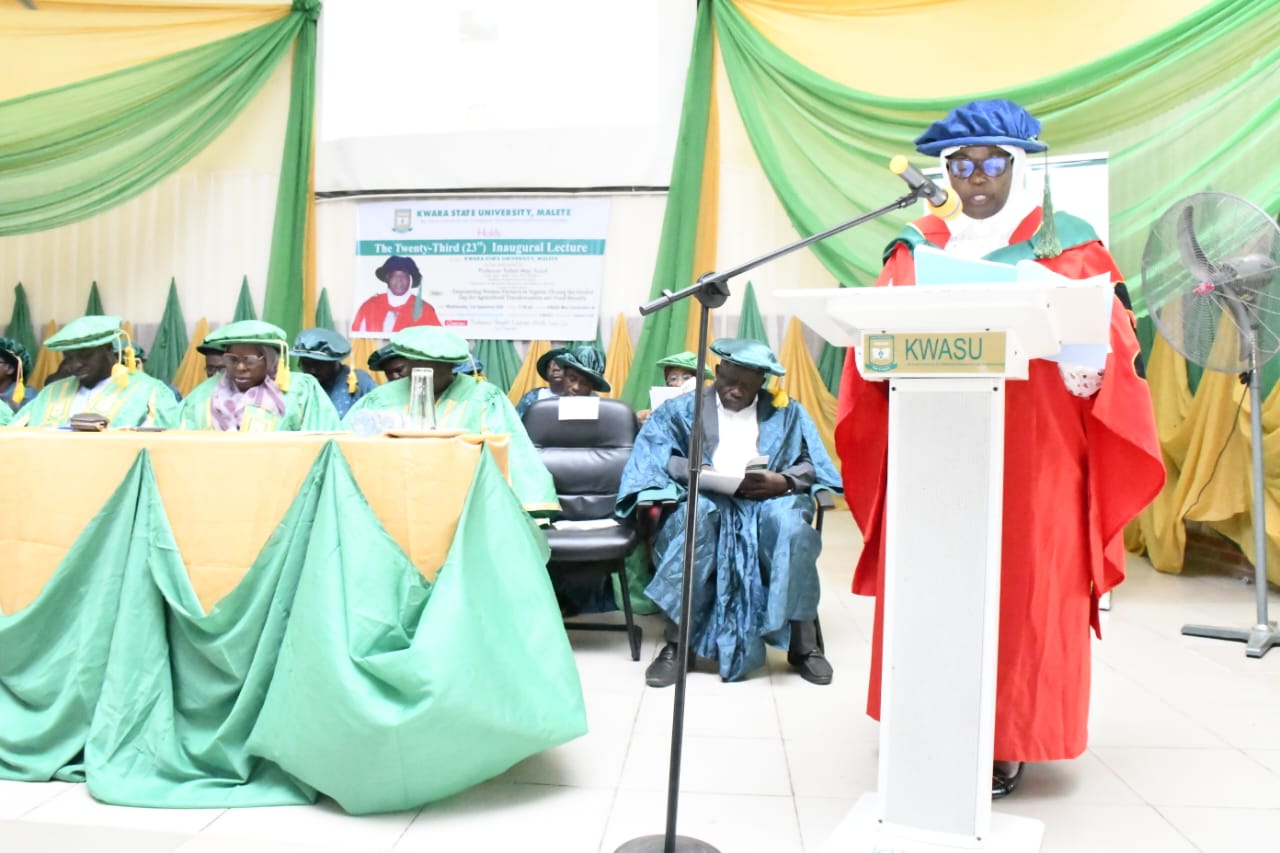
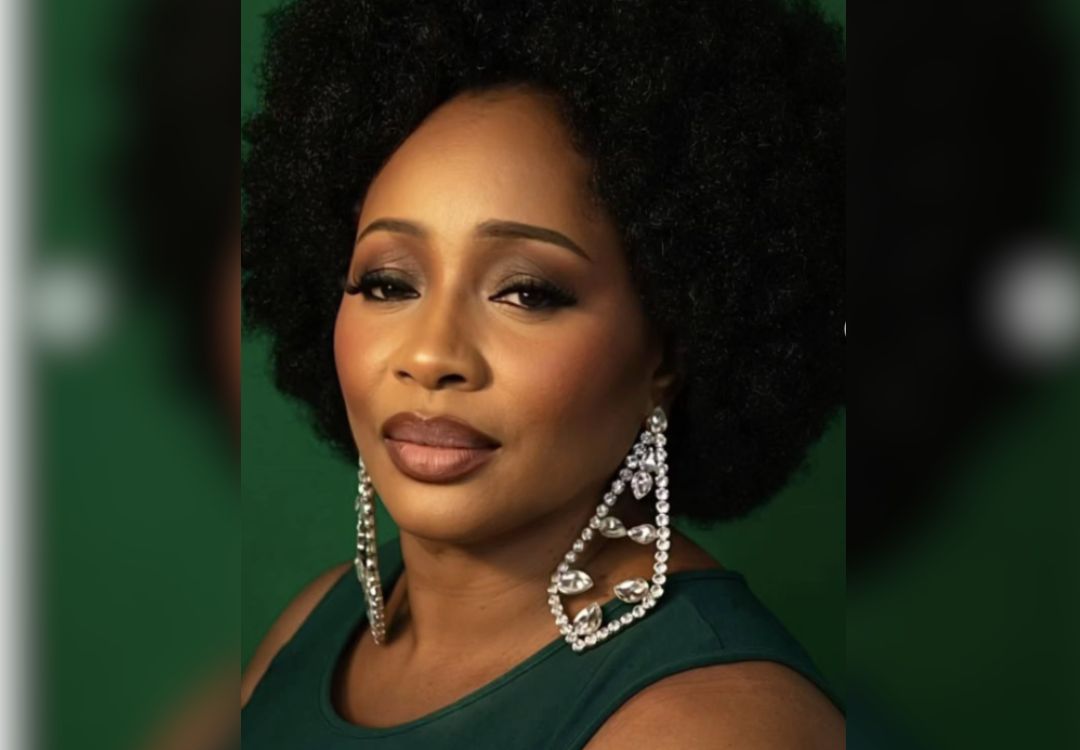

Ayomide Eweje, a Programme Officer at MRA, also pushed for a gender-sensitive approach to the FOI Act. She stressed that women need to utilize the law more.
She pointed out that there is little national data measuring how Nigerian women use the FOI Act.
"Gender-responsive FOI implementation is not about giving women more rights than men. It’s about finding and solving issues that might stop people from using existing rights equally," she said.
Ms Eweje mentioned an all-women roundtable in October 2024, organized by the HumAngle Foundation in Abuja, which aimed to tackle the gender gap in FOI usage.
She said the meeting suggested raising awareness of the FOI Act, using local languages, radio, and other easy-to-reach media, better institutional support, and blending FOI with current accountability efforts.
Ms Eweje emphasized that a gender-sensitive approach should ask three questions: whether different gender groups can access their rights equally, whether public information meets the unique needs of various gender groups, and whether public institutions collect, keep, and share information in ways that everyone can use.
She said the goal is not to treat women separately as FOI applicants but to find and fix barriers that stop them from using their rights.
Legal Perspective
Similarly, Alimi Adamu, a lawyer, talked about the legal tools in the FOI Act and how lawyers can help enforce the law.
Mr Adamu described Nigeria's FOI system as driven by the courts, adding that unlike other countries with information commissioners, Nigeria depends on state and federal high courts to ensure compliance.
He mentioned that although the Supreme Court has resolved issues about the Act's application to state governments and publicly funded private entities, there is still a problem with administrative resistance to FOI requests.
Anikeade Funke-Treasure, the Executive Director of Illuminate Nigeria Development Network, also spoke about how the FOI Act helps fight digital misinformation and protect journalistic integrity in Nigeria.


Drop your comment
No comments yet — be the first to drop the gist 👇