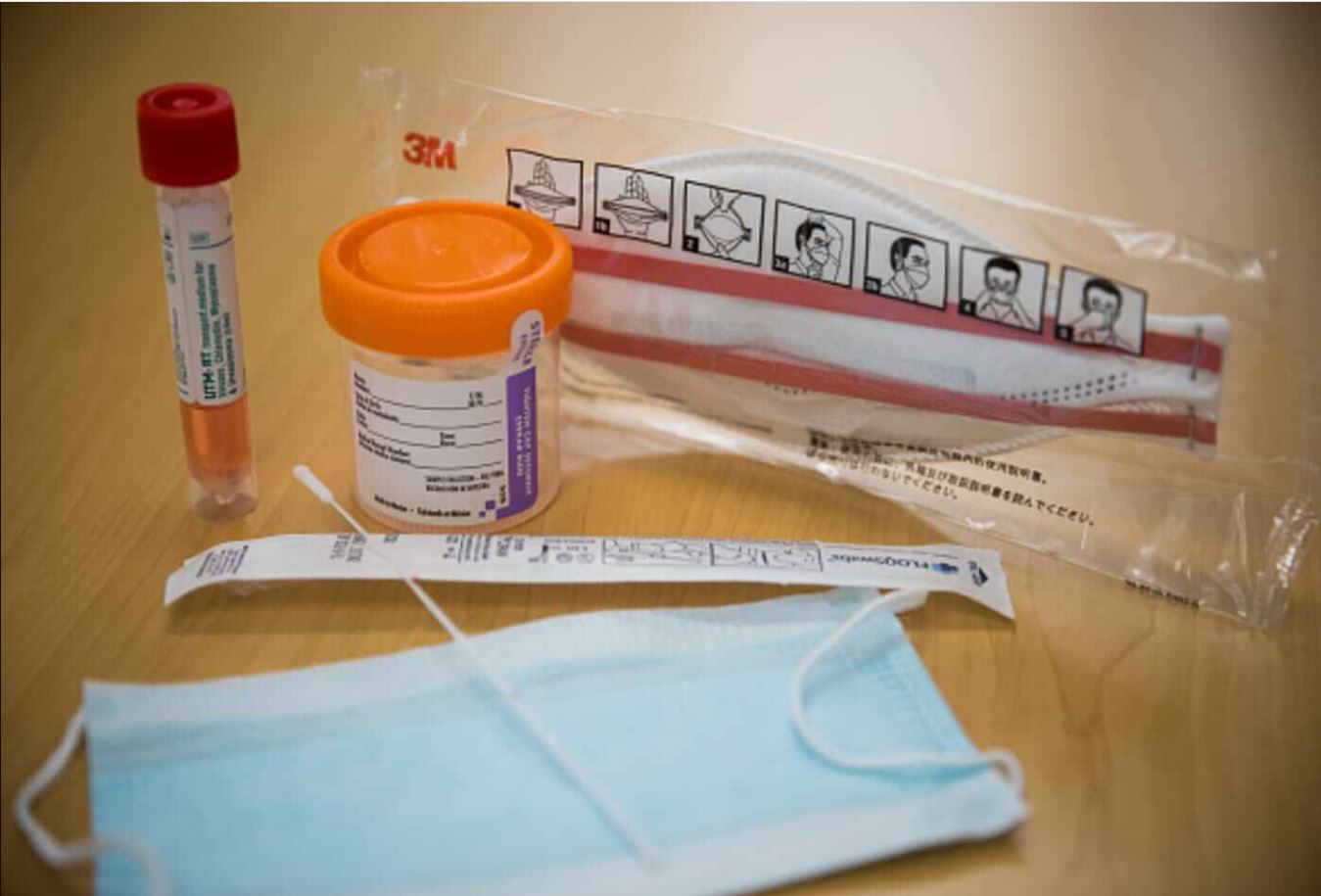
Nigeria is one of the key countries where a new $1 testing kit can help increase screening for pregnant women for HIV, syphilis, and hepatitis B.
This package, launched by Premier Medical Corporation and Impact Nexus Africa, combines two quick tests in one offer for use in antenatal care services already in place.
The companies analyzed data and found that Nigeria, along with Ethiopia, Tanzania, Uganda, Kenya, Mozambique, and South Africa, has a high potential market for antenatal hepatitis B testing.
Impact Nexus Africa estimates that this kit could save about $215 million across 74 low- and middle-income countries from 2026 to 2035 if it is widely used in antenatal care.
But this estimate is based on predictions and does not guarantee savings for specific countries like Nigeria.
How the package works
The Triple Elimination Testing Bundle costs $1 for each woman tested. It includes two rapid tests.
One test is the World Health Organisation’s (WHO)-approved First Response HIV 1+2/Syphilis Combo Card Test, which checks for both HIV and syphilis at the same time.
The other test is the First Response hepatitis B surface antigen (HBsAg) Card Test, which checks for hepatitis B infection.
These tests are still separate products but are sold together in one package. The price also covers digital training, assessment, and competency tools for users.
The $1 price does not include shipping, local distribution, taxes, or other costs related to the program. Buyers must order a minimum of 100,000 bundles.
Potential savings
The companies say the package is 22 to 46 percent cheaper than buying the HIV/syphilis and hepatitis B tests separately.
They estimate that about 37.8 million antenatal HBsAg tests are needed each year across 74 low- and middle-income countries.
Using this package instead of separate tests could save around $215 million over 10 years.
They also mentioned that annual savings could be over $10 million in large markets but might be less than $1 million in smaller ones.
Actual savings will depend on each country's current prices, testing amounts, and how quickly the program is rolled out.
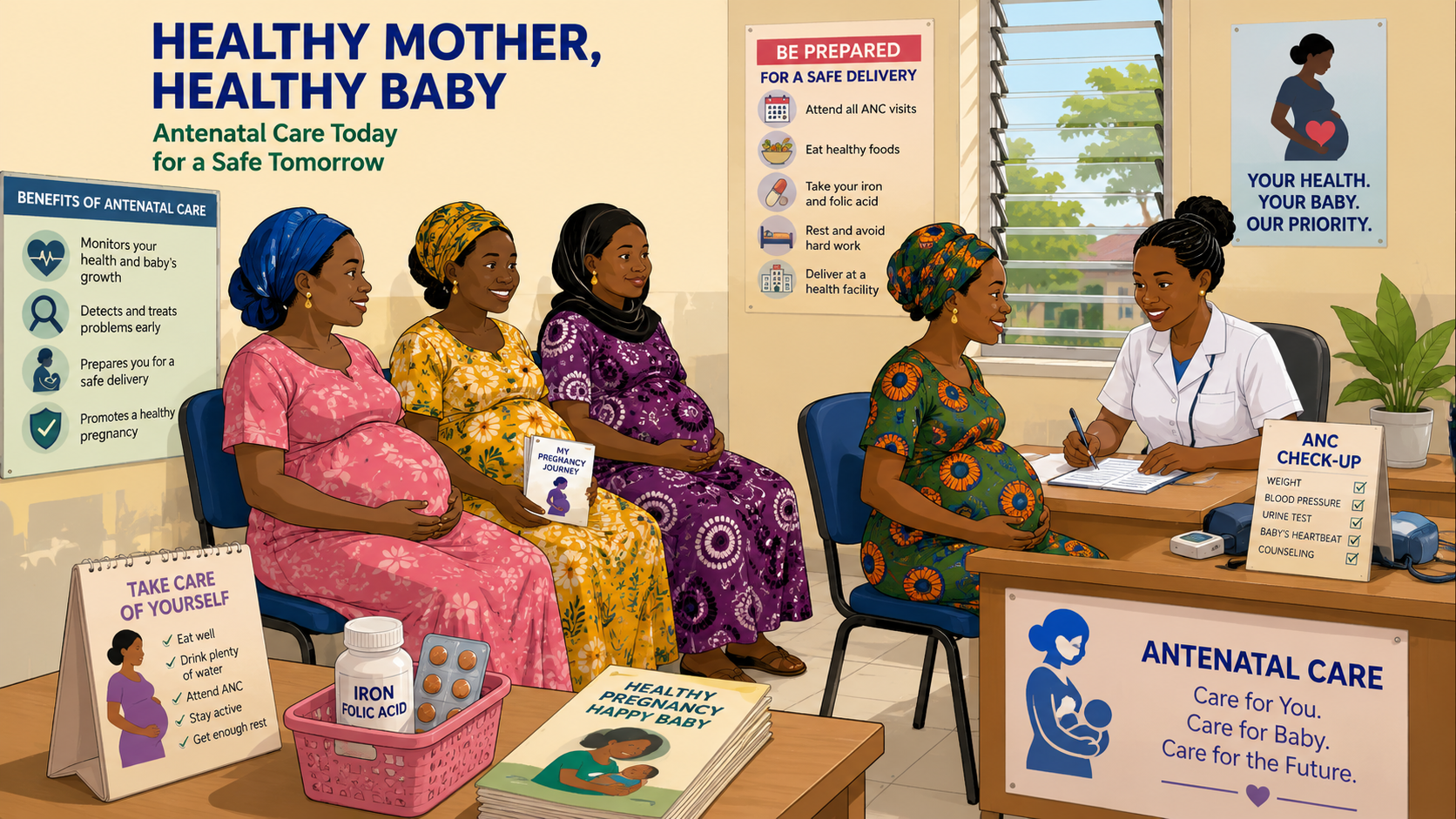
The companies estimate that this rollout could find about 17.1 million women with HBsAg-positive pregnancies and help prevent around 2.7 million infant hepatitis B infections between 2026 and 2035.
These health benefits depend on how many women get screened, the local rate of hepatitis B, and how well women who test positive are connected to necessary care.
Why hepatitis B screening matters
This initiative aims to help the global fight to stop mother-to-child transmission of HIV, syphilis, and hepatitis B.
The WHO advises testing pregnant women for HIV, syphilis, and hepatitis B at least once during their pregnancy, as early as possible.
While HIV and syphilis testing have become more common in antenatal care, hepatitis B testing is still not done consistently in many countries.
The companies believe this new package can assist both countries that already test for hepatitis B and those looking to start or expand such services.
They say this approach uses the current antenatal care systems instead of needing new testing platforms.
What the package could mean for Nigeria
For Nigeria, this package means more than just a lower cost.
A 2026 analysis of Nigeria's Demographic and Health Survey showed that while 72 percent of mothers attended antenatal care, only 12.3 percent were tested for hepatitis B during pregnancy.
Earlier data also pointed out this issue. An analysis of about 2.8 million pregnant women from over 6,000 facilities providing mother-to-child transmission services found that only 7.2 percent were screened for hepatitis B.
The Federal Ministry of Health and Social Welfare is also trying to improve hepatitis B screening as part of Nigeria’s response to eliminate mother-to-child transmission. In 2025, the ministry plans to start free testing, treatment, and care for pregnant women who test positive.
With this in mind, the new testing kit could provide Nigeria with a cost-effective way to expand hepatitis B screening through existing antenatal care services.
The companies mentioned that the package is available for both public and private sector buyers in low- and middle-income countries, following national registration and import rules.


Drop your comment
No comments yet — be the first to drop the gist 👇