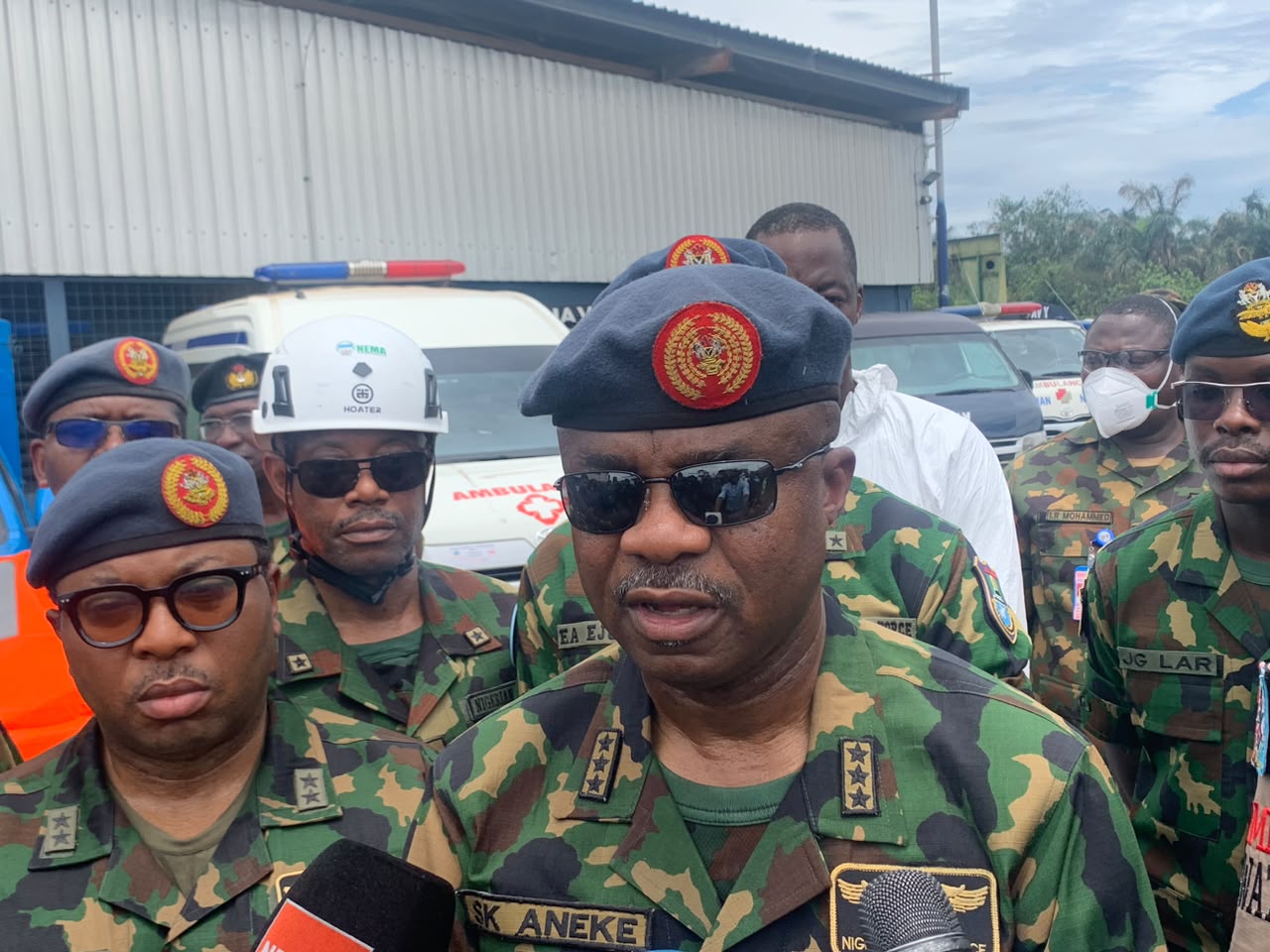
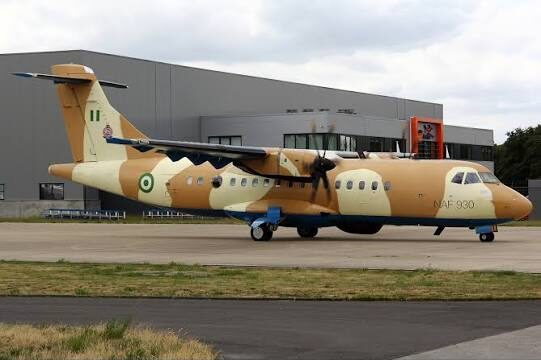
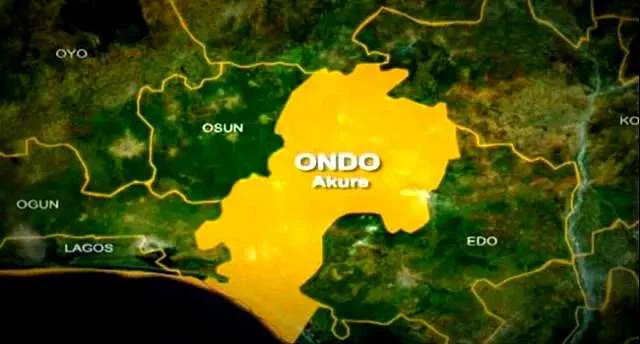
The Nigerian Air Force (NAF) has started looking for the flight data recorder and cockpit voice recorder of its ATR-42 aircraft that crashed in Igbokoda, Ondo State. This area is the headquarters of Ilaje Local Government Area.
Ebimobo Ebiowe, an air vice marshal and NAF Superintendent of Standards and Evaluation, spoke to journalists at the crash site on Friday. The aircraft was on a routine mission from Benin City, Edo State, to Lagos when it went down in a swamp near the Nigerian Navy’s Forward Operating Base in Igbokoda on Monday. All 25 people on board lost their lives.
Officials reported that the aircraft broke into two when it crashed, with the main body completely submerged in the swamp. The water level at the crash site is about 30 metres deep. This situation has made it hard to recover bodies and parts of the aircraft.
The tough terrain slowed down rescue operations, and military and government officials were unsure how to tackle the situation at first. It took around 48 hours for the Ondo State Government to send heavy machinery, like swamp buggies, to help start proper search operations.
Military and local divers are still working to find broken pieces of bodies and parts of the aircraft but have not yet reached the main body of the plane. Rescuers have said that decaying human remains are making the water smell bad, and aviation fuel floating on the surface is polluting the water.
Mr Ebiowe stated that investigators are looking for important wreckage parts that could help figure out what caused the crash. He mentioned the flight data recorder, known as the “black box,” and the cockpit voice recorder as key items they hope to find.
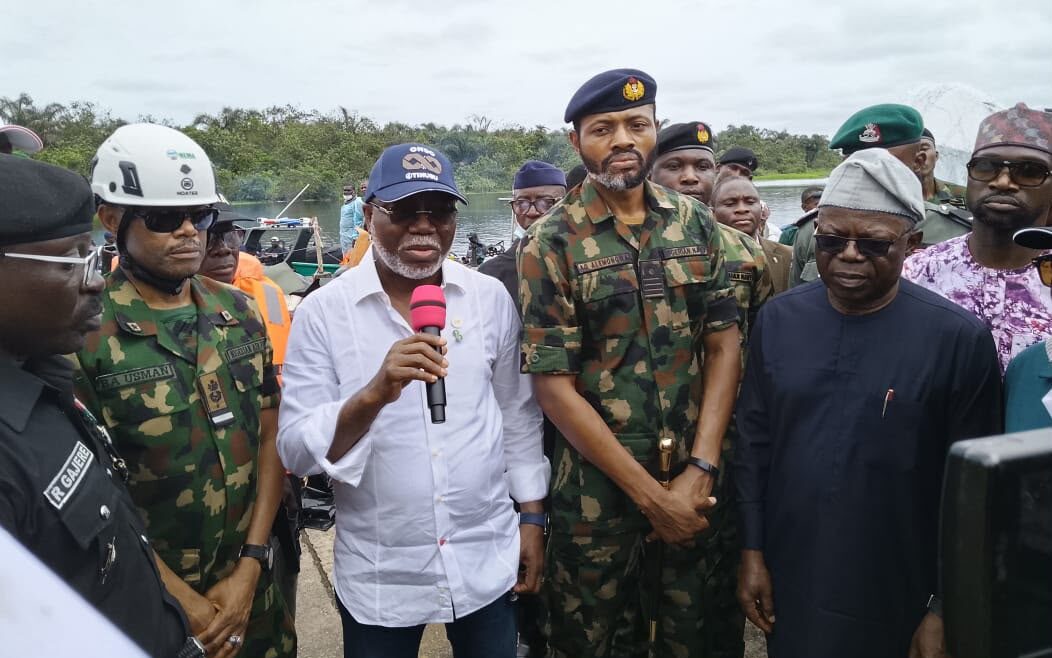
"We hope to be able to find critical components of the aircraft that will speak to the investigators because the aircraft wreckage actually speaks to the investigators," he said. "One of them is what the ordinary man (civilian) calls the Black Box. We call it the Flight Data Recorder (FDR), and another component close to it, the Cockpit Voice Recorder (CVR)," Mr Ebiowe added.
The recorders are expected to provide important information for investigators trying to understand the aircraft’s last moments and what led to the crash. The Nigerian Navy had already sent special sonar equipment to help find the submerged aircraft while recovery efforts continue.
Vice Admiral Idi Abbas, the Chief of the Naval Staff, instructed the Nigerian Navy Hydrographic Department to send personnel and advanced sonar-scanning tools to the crash site to get an underwater view of the area.
Sunday Aneke, the Chief of the Air Staff, visited the crash site on Thursday. He promised that the military would carry out a thorough investigation to find out what happened and prevent it from happening again. Mr Aneke asked the public to avoid jumping to conclusions, saying a high-level team of military and civilian aviation safety experts has been set up to investigate the crash.
This team will include safety specialists, representatives from the Nigerian Safety Investigation Bureau and the Accident Investigation Bureau, emergency management agencies, retired senior military officers, and experienced NAF personnel. The air chief said the investigation will leave no stone unturned in finding out what went wrong.


Drop your comment
No comments yet — be the first to drop the gist 👇