
The National Agency for Food and Drug Administration and Control (NAFDAC) has stressed the importance of using medicines wisely and improving safety monitoring to protect patients.
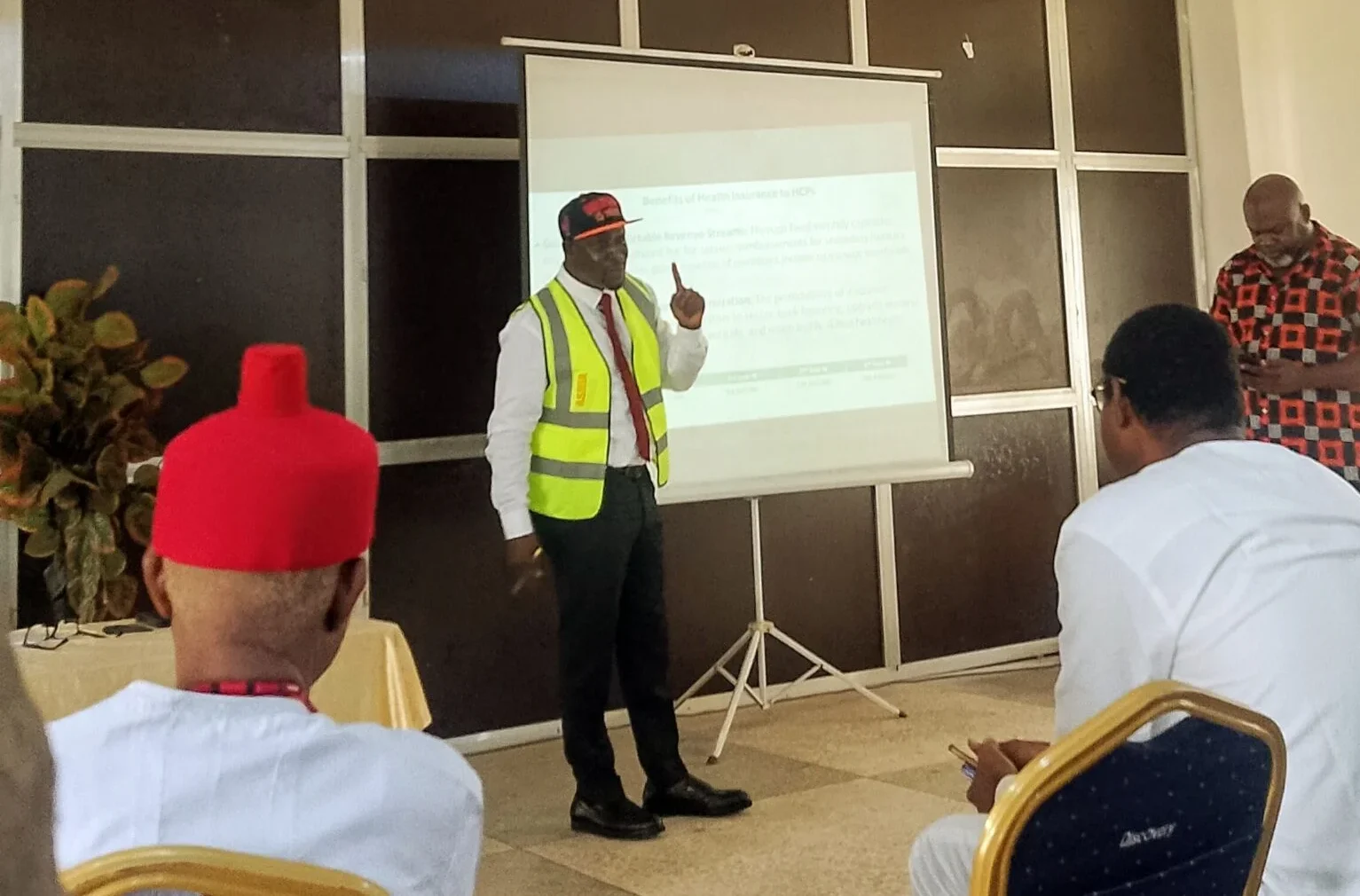
The Director-General of NAFDAC, Mojisola Adeyeye, shared this message during a program for community stakeholders in Mushin Local Government Area of Lagos State.
This program, titled “Rational Use of Medicines: Strengthening Pharmacovigilance for Patient Safety Public Health,” was held by NAFDAC with support from the Immunisation Plus and Malaria by Accelerating Coverage and Transmission (IMPACT).
Mrs Adeyeye, who was represented by Uchenna Elemuwa, NAFDAC Director of Pharmacovigilance, said this program is vital for promoting and protecting public health.
She pointed out that using medicines correctly is a key part of effective healthcare. She warned that wrong use of medications can lead to serious health problems.
“Rational use of medicine is when a patient uses a medication appropriately in line with their clinical needs, in the correct doses, for an adequate duration, and at the lowest possible cost to both the patient and the community,” she said.
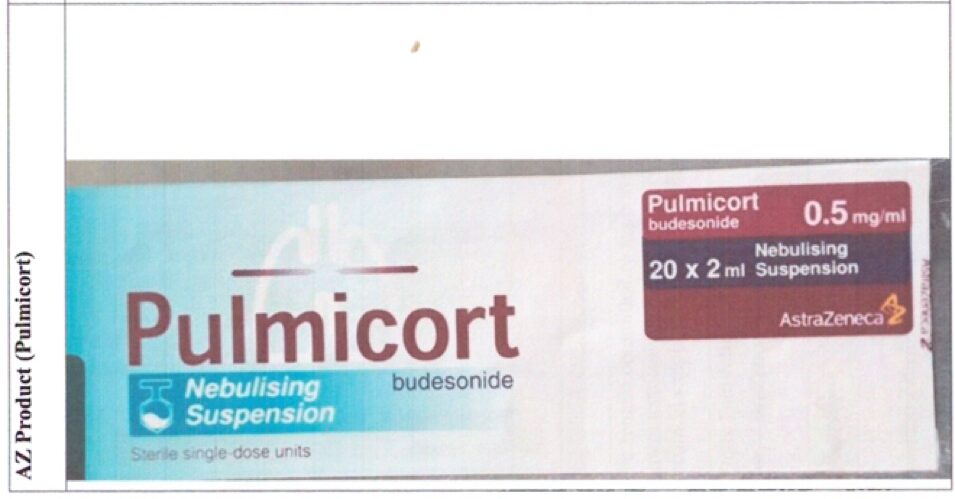
“Self-medication, misuse of antibiotics, polypharmacy, incorrect dosing, failure to stick to prescribed treatments, use of fake medicines and sharing medicines among family members pose dangers to public health.
“Rational use of medication is critical and that is why we are strongly against unhealthy practices that contribute significantly to treatment failure, adverse drug reactions, prolonged illness, and preventable deaths,” she added.
Antimicrobial resistance
Mrs Adeyeye also mentioned that the rising issue of antimicrobial resistance (AMR) is a major threat to global health. This problem arises from the wrong use and overuse of antibiotics.
She explained that pharmacovigilance helps tackle these issues by detecting, assessing, understanding, and preventing harmful effects and other medicine-related problems.
“No medicine is completely free from side effects,” Mrs Adeyeye said. She added that strong pharmacovigilance systems help healthcare workers and patients notice harmful reactions early and report them for proper action.
She said the agency is working to improve post-marketing surveillance, safety monitoring systems, adverse drug reaction reporting systems, risk communication strategies, and public awareness campaigns.
Mrs Adeyeye encouraged participants, healthcare workers, and the public to report any adverse drug reactions. She stressed that “a single adverse drug reaction report can save thousands of lives.”
The NAFDAC head also called for more teamwork to improve the correct use of medicines and safety monitoring through ongoing education for healthcare workers and public awareness against self-medication and antibiotic misuse.
Adverse drug reaction
Adekunle Oreagba, a Professor of Pharmacy and Pharmacology at the College of Medicine, University of Lagos, highlighted the need for Nigerians to be aware of adverse drug reactions (ADR).
Mr Oreagba, who coordinates ADR efforts in the South-West, spoke about “Introduction to ADR and Pharmacovigilance, What Every Community Member Should Know.”
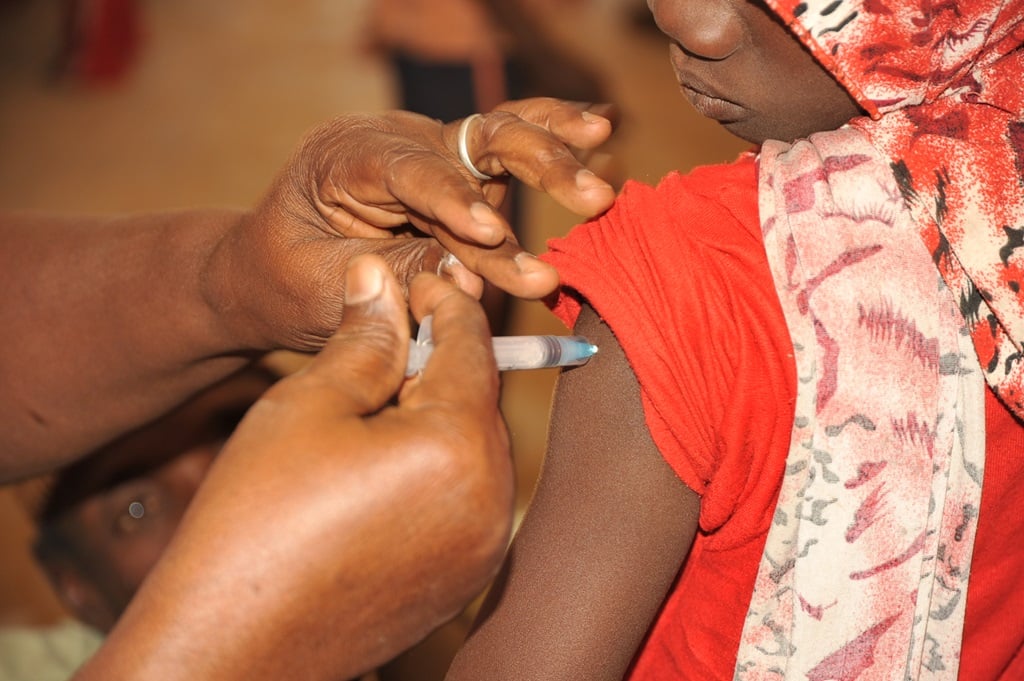
He explained that adverse drug reactions are harmful effects that happen after taking medicines properly and as prescribed.
The coordinator noted that many people feel unusual symptoms after using medications but often do not report them. This makes it hard for health authorities and regulatory bodies to ensure medicine safety.
He added that pharmacovigilance is important for understanding and preventing adverse effects of prescribed medicines. Therefore, it is crucial for people to report any unusual reactions they have after using prescribed drugs to healthcare professionals.
“Reporting adverse drug reactions is essential for protecting public health,” he said.
“The information from patients and healthcare professionals helps regulatory authorities to identify medicines with potential safety concerns.
“If adverse drug reactions are not reported, health authorities cannot accurately determine their frequency or impact within the community.”
Mr Oreagba pointed out that using several medications at once, known as Polypharmacy, is a major risk factor for ADR in people.
He also mentioned that children and older adults are at higher risk of ADR due to their vulnerability. Individuals with kidney and liver issues are also at risk.
“Little children process medicines differently because their organs are still developing, while older adults, with multiple health conditions, may be taking several medications that increase their susceptibility to adverse reactions,” he said.
The professor advised the public to seek medical help and report symptoms like fever, diarrhoea, skin rashes, stomach pain, or other unusual discomforts that develop after taking medication.
The Chairman of Mushin LGA, Tunbosun Aruwe, praised NAFDAC for educating stakeholders about various health issues affecting the public.



Drop your comment
No comments yet — be the first to drop the gist 👇