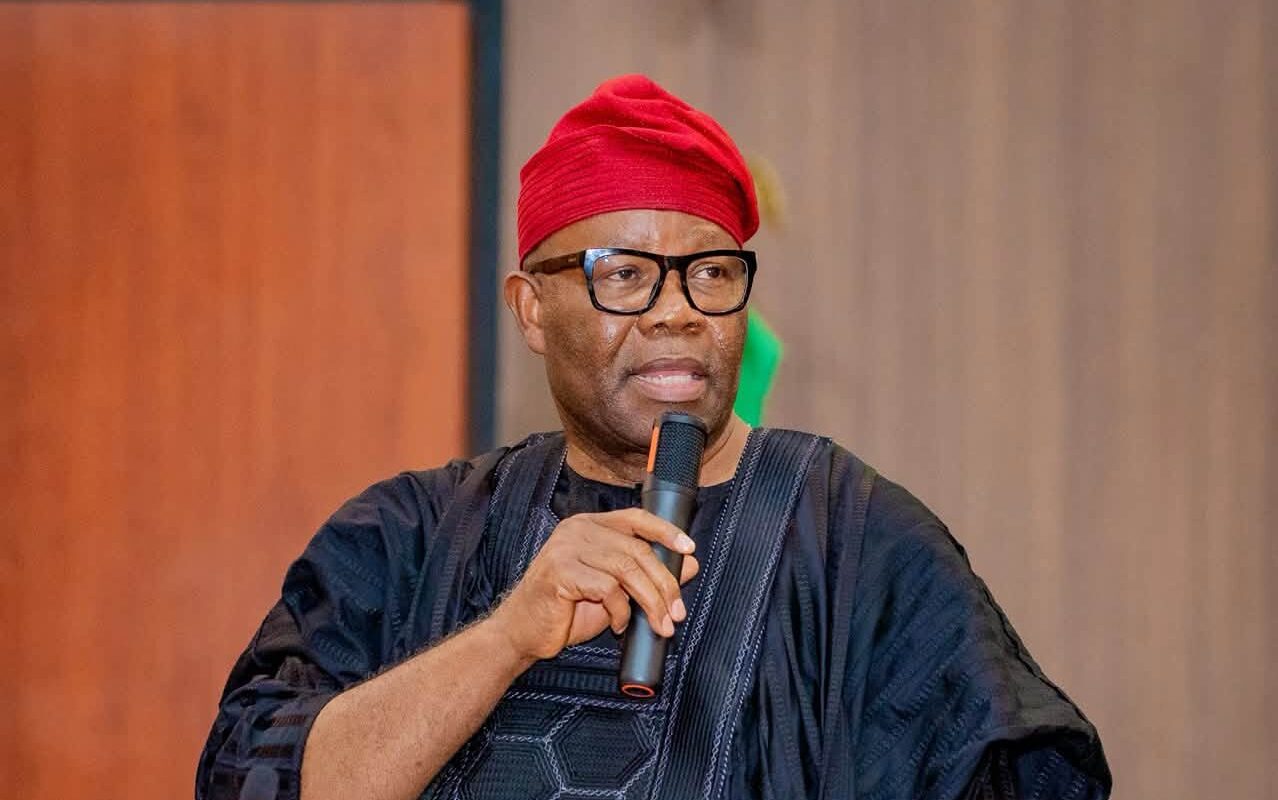
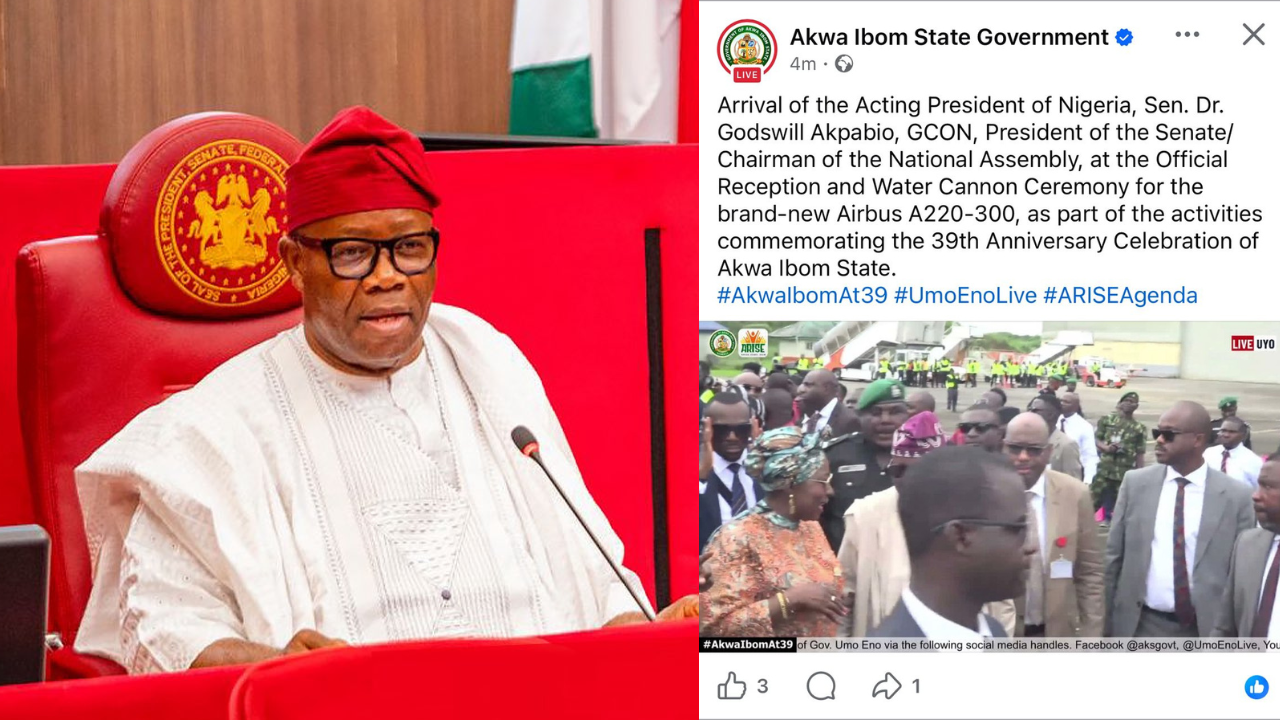
Senate President Godswill Akpabio has said that the National Assembly will keep working with President Bola Tinubu’s administration. This is despite the Assembly's duty to check the executive branch.
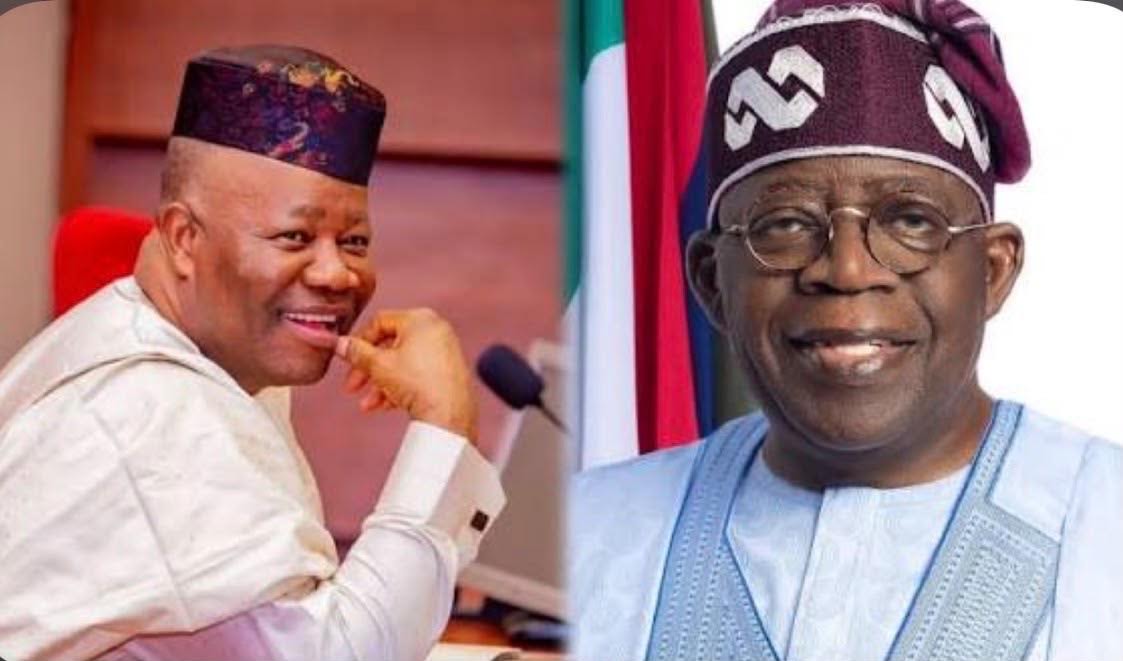
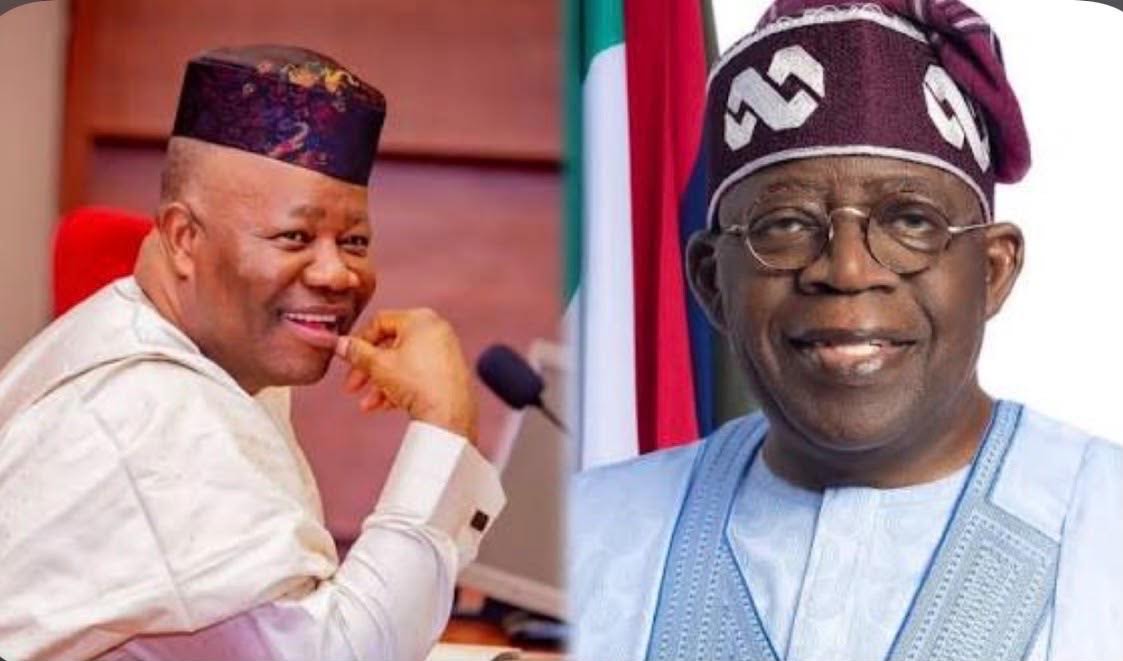
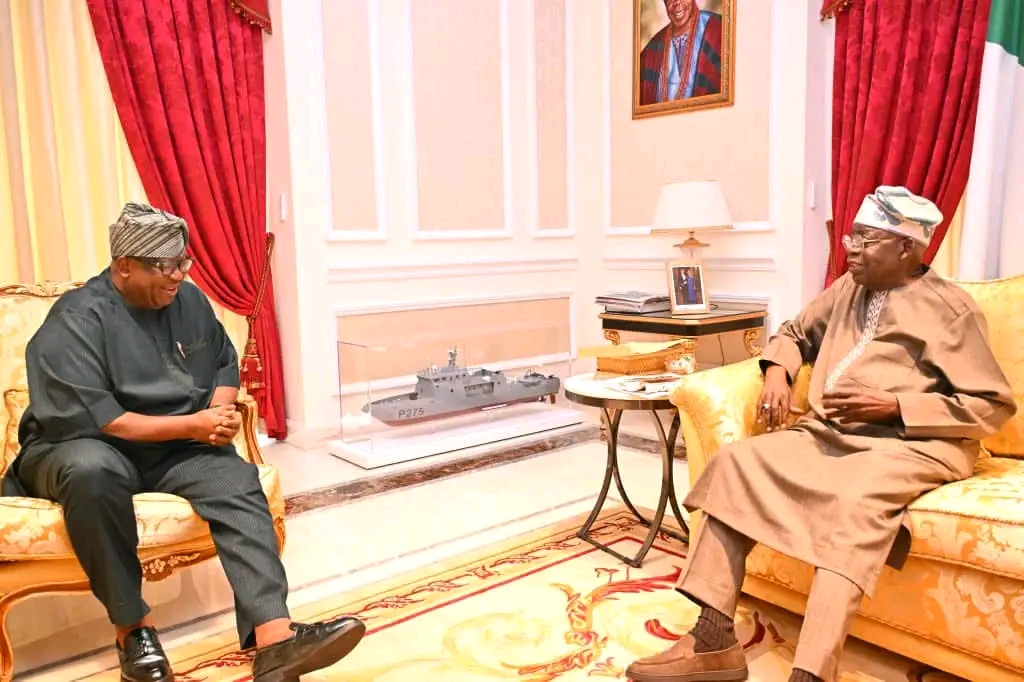
Akpabio made this statement on Friday. He was leading a group of National Assembly members to visit Tinubu in Lagos. This visit was part of the celebrations for Nigeria’s 66th Independence anniversary.
He said that the National Assembly's choice to work with the executive is for the benefit of all Nigerians. “On the part of the National Assembly, we want to continue to remain worthy partners to the administration of President Bola Tinubu. And we believe that what we are doing is in the interest of all Nigerians,” he said.
The relationship between Nigeria’s executive and legislative arms is based on the principle of separation of powers. This means the legislature is not just a partner to the executive but also has the duty to check and balance its actions. Section 4 of the 1999 Constitution gives legislative powers to the National Assembly. Sections 88 and 89 allow both chambers to investigate the activities of government ministries and agencies.
The Constitution allows the National Assembly to use its investigative powers to uncover corruption and waste in government spending. The legislature also controls public spending by approving the executive’s budget. So, while the National Assembly can work with the executive, it must also keep an eye on the government’s actions.
Since its inauguration in June 2023, the relationship between the 10th National Assembly and Tinubu’s government has drawn criticism. Opposition politicians, civil society groups, and some lawmakers have accused the Assembly of being too cooperative with the executive. Critics say the lawmakers have approved many presidential requests without proper scrutiny, calling the legislature a “rubber stamp.”
This criticism follows the Assembly’s handling of major executive requests like borrowing proposals and budget amendments. In April, Atiku Abubakar, the presidential candidate of the African Democratic Congress, criticized the National Assembly. He said they hurriedly approved Tinubu’s request for $6 billion in foreign loans without enough legislative scrutiny.
There have also been complaints from within the National Assembly. In November 2025, Senator Adams Oshiomhole from Edo North, a member of the ruling All Progressives Congress, accused the Senate leadership of rushing bills without giving senators enough time to review them. He said lawmakers should not just “rubber-stamp” legislation. Following his complaint, the Senate leadership said bills should be made available to senators at least two days before discussion.
Despite the criticism, Akpabio has rejected the idea that the legislature is a rubber stamp. He argues that lawmakers are elected to work with the president, not fight him. The current approach of the 10th Assembly is different from past Assemblies that often clashed with the executive.
Under Bukola Saraki, the 8th Senate frequently disagreed with the Muhammadu Buhari administration over appointments and legislation. In March 2018, Saraki mentioned that the Senate had rejected 13 out of 240 executive nominees submitted by Buhari over two years but confirmed 227.
Former Senate President David Mark also saw significant assertiveness from the legislature. In February 2010, the National Assembly used the “doctrine of necessity” to recognize then-Vice President Goodluck Jonathan as acting president when President Umaru Musa Yar’Adua was away without formally handing over power.
Akpabio said the partnership between the legislature and the executive has helped the National Assembly update some outdated laws. He pointed to tax system reforms, including changes related to stamp duties.
“You’ve seen already, in three years, we have been able to tinker with all the anachronistic and old laws that we met on the ground. You know very well that things like stamp duties were laws that were in 1939,” he said.
He added that the passage of four major tax laws was part of efforts to reform Nigeria’s economy. He said these laws were passed despite initial concerns from some parts of the country.
“Stamp duties and so many others... So you’ve seen the reform in the tax system. Let me use the word economic system, with four major tax laws brought into the country at one time,” Akpabio explained.
He also defended the quick screening and confirmation of presidential nominees as part of their partnership with the executive. “You’ve seen the speed with which we pass legislations that benefit Nigeria. You’ve seen the speed that we clear people who are coming to add value to the current administration,” he said.
Akpabio confirmed that the National Assembly would continue to strengthen its partnership with the executive. “And so we will continue to do that. That’s our own contribution. We are elected for that,” he said.
He added, “Don’t forget, it’s easy to say with the mouth, but difficult to do. But in our own case, we are matching words with action. And so the government is going forward.”

Drop your comment
No comments yet — be the first to drop the gist 👇