The Nigeria Civil Aviation Authority (NCAA) is worried about airlines ignoring passenger rights under Part 19 of the Nigeria Civil Aviation Regulations (Nig.CARs) 2023.
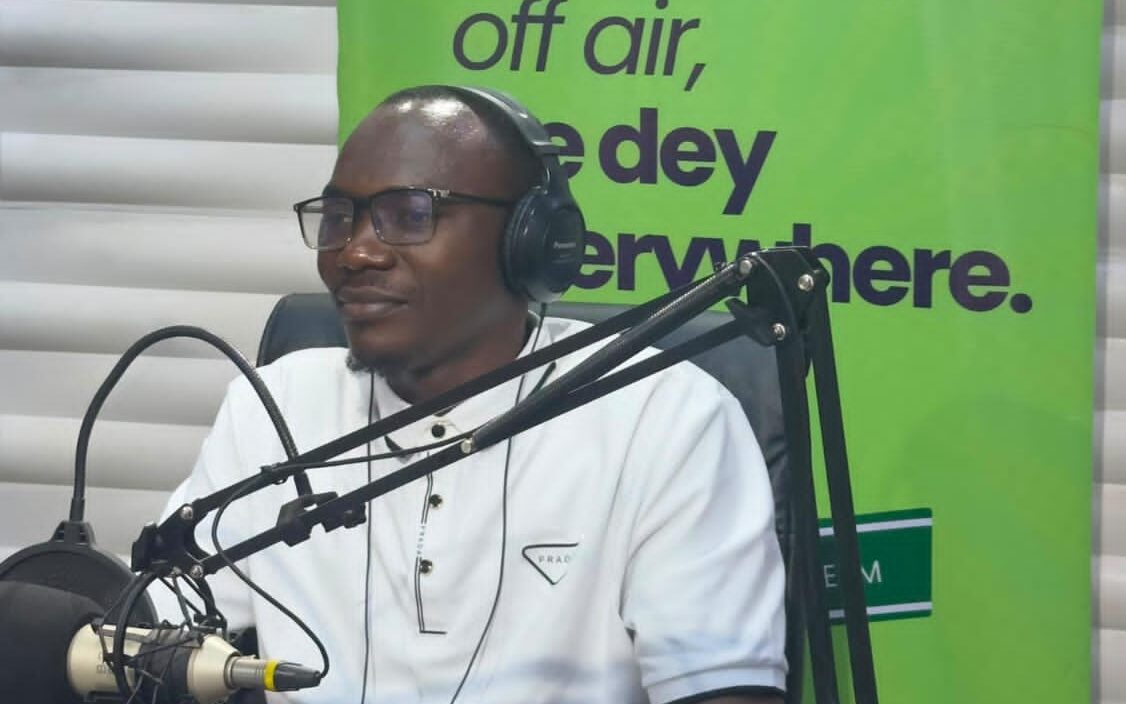
Michael Achimugu, the NCAA's Director of Public Affairs and Consumer Protection, mentioned that airlines are not always to blame for flight delays or cancellations. But they must follow certain rules when these disruptions happen.
Achimugu shared his thoughts in a video he posted on his official X page. This video is part of his report to the Director-General of Civil Aviation, Chris Najomo, about the disruption and compliance records of major airlines.
"Disruptions will never end anywhere in the world," Achimugu said. He stressed that the NCAA has always told passengers this.
But he noted that airlines are increasingly not meeting their responsibilities to passengers during these disruptions.
"There’s becoming this gross disregard for the regulations, Part 19, by the airlines."
Part 19 of the Nig.CARs 2023 explains the minimum rights for passengers and what airlines must do when flights are delayed or cancelled. This regulation aims to protect passengers during such issues.
What Part 19 requires during delays
For domestic flights, if an airline expects a flight to be delayed, it must inform passengers within 30 minutes of the scheduled departure time.
If the delay is more than two hours, passengers should get refreshments and be able to make phone calls, send SMS, and check emails.
If the delay lasts over three hours, passengers have the right to reimbursement or re-routing. If the delay goes past 10 p.m. until 4 a.m., or if the airport is closed at either the departure or destination, the airline must provide hotel accommodation and transport.
The regulations also state that if a domestic delay lasts more than six hours, passengers should get compensation. However, airlines can avoid this if they can show the delay was caused by extraordinary circumstances.
The rules also say airlines must help passengers affected by cancellations.
For domestic cancellations, passengers are entitled to compensation of at least 25 percent of the fare unless they were informed about the cancellation at least 24 hours before the flight.
Airlines also need to provide reimbursement or re-routing based on these rules.
The NCAA says that reimbursement for domestic flights should happen immediately if paid in cash, while other types of reimbursement follow specific timelines.
Communication remains a major problem
Achimugu pointed out that poor communication worsens the frustration for passengers during disruptions.
He said airlines sometimes do not give passengers honest or timely updates, even when they already know a flight won't operate as planned.
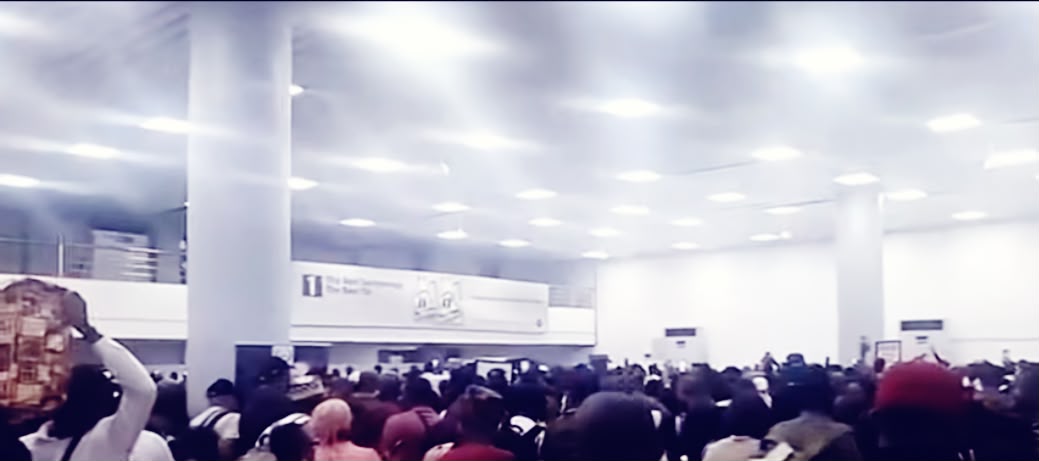
This often leaves passengers waiting for hours at airports, including families with children, only to find out their flights are cancelled later.
He gave an example of a situation where an aircraft is grounded. In such cases, airlines already know they cannot keep their published schedule.
Achimugu urged airlines to communicate early and adjust schedules so that passengers do not waste hours at the airport waiting for flights that may not operate.
Part 19 also requires airlines to inform passengers about their rights, including compensation and assistance, during delays or cancellations.
Refunds, compensation
Achimugu also raised issues about unresolved refunds and how some airlines manage compensation.
He said some airlines treat compensation as something they can decide on their own, rather than following the rules.
He shared cases of passengers denied boarding due to overbooking. He said airlines cannot just give discounts on future tickets instead of the compensation they should provide.
Part 19 states that passengers who deserve compensation should get at least 25 percent of the fare for domestic flights and 30 percent for international flights, according to the rules.
Achimugu noted that the NCAA is still getting many unresolved refund cases, even though some airlines promised quicker refund processing.
Disruptions remain widespread
These concerns come as Nigeria's domestic aviation sector continues to face many disruptions.
In August, the NCAA reported 7,961 domestic flights, with 4,765 delayed and 36 cancelled. This means around 60 percent of all domestic flights were delayed.
More than 600 of these delayed flights were late by at least two hours, including 407 delayed between two and three hours and 235 delayed for three hours or more.
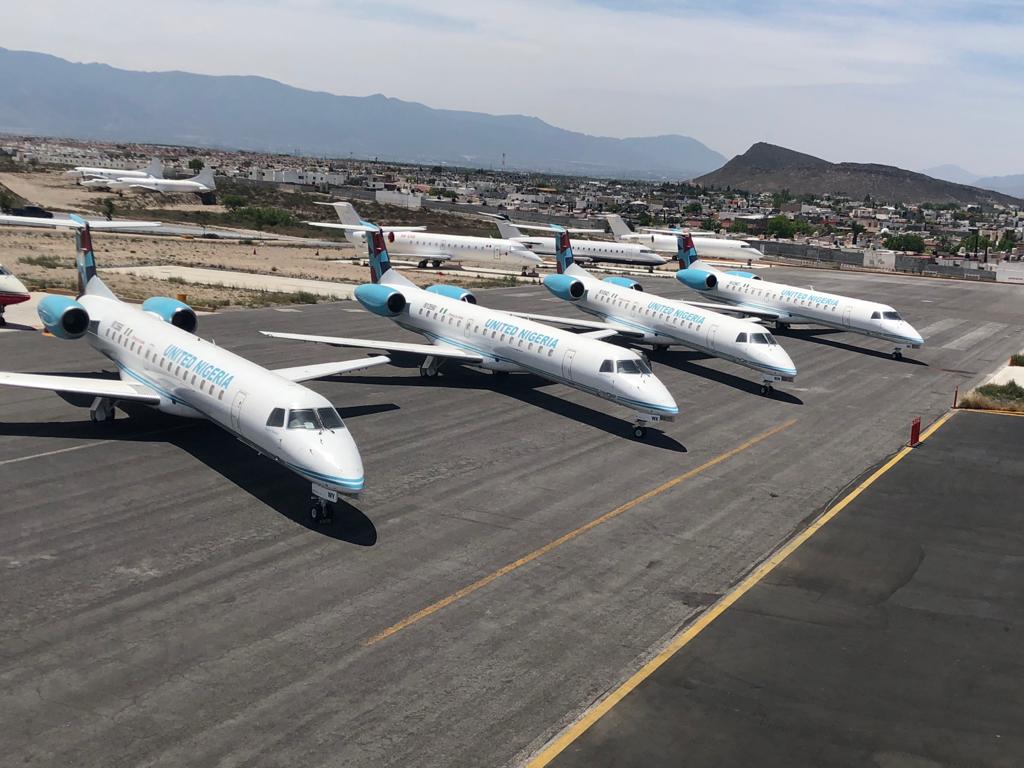
Air Peace had the most delays, totaling 1,330, followed by United Nigeria Airlines with 943.
These figures have led to renewed calls for airlines to improve their planning and how they handle passengers.
During meetings with airlines in September, the NCAA warned carriers against scheduling flights beyond their available aircraft and crew, especially when planes are grounded.
Achimugu mentioned that the NCAA has been helping airlines with passenger education and engagement. But he stressed that the responsibility to follow the rules lies with the airlines.
Drop your comment
No comments yet — be the first to drop the gist 👇