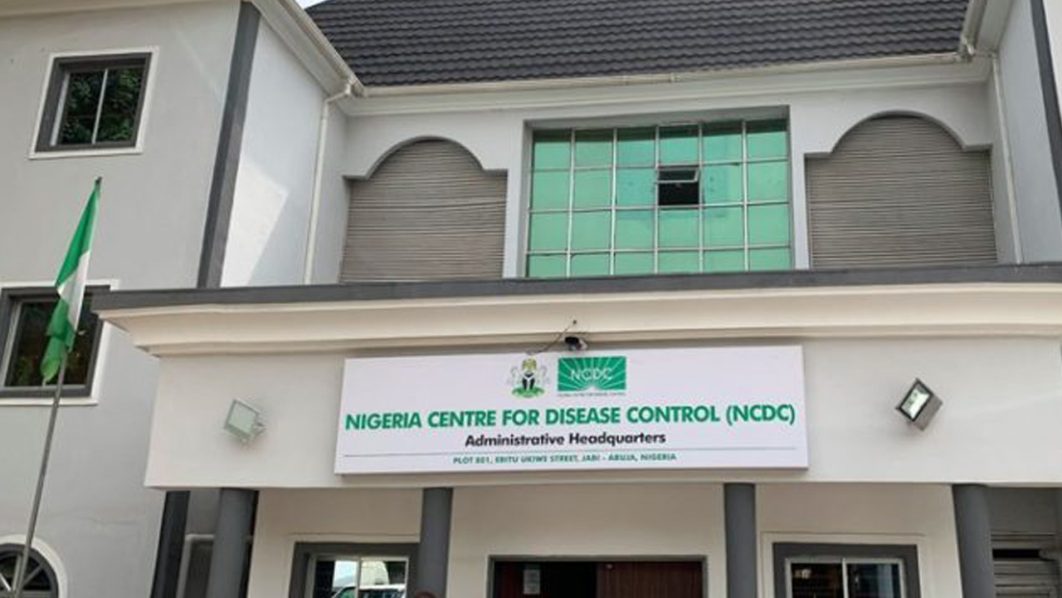
The Nigeria Centre for Disease Control and Prevention (NCDC) has found that delays in seeking care, infections among healthcare workers, and issues with health facility operations could hurt Nigeria's readiness for the 2026/2027 Lassa fever season.
Jide Idris, the Director-General of the agency, shared this information in an advisory on Wednesday. This comes as the peak Lassa fever season approaches, usually between November and April.
Idris explained that while Lassa fever can happen all year, the time leading up to the peak season is a chance for the government, health facilities, and communities to prepare before cases rise.
Lessons from 2026 Response
He mentioned that an After Action Review after the 2026 Lassa fever response found several urgent gaps.
These gaps include delays in getting the right care, self-treatment, and patients visiting many healthcare providers before Lassa fever is considered.
Idris also pointed out that healthcare workers continue to get infected, especially when health facilities are busy. He noted that poor sanitation, unsafe food storage, and rodent exposure add to the risks at home and in the environment.
He added that the review showed limited state ownership and too much dependence on national resources. There were also delays in providing necessary resources for readiness.
Another worry is the difference between what capacity exists on paper and what is actually usable.
"For example, having a dialysis machine does not mean dialysis is available if the trained personnel, consumables, water treatment, maintenance, and other requirements needed to operate it are not in place," he said.
Idris highlighted that these lessons show the need to improve the whole process from prevention to detection, diagnosis, referral, and treatment.
Readiness Plan
To tackle these challenges, Idris said the NCDC has created an Accelerated Readiness Plan. This plan will guide activities leading up to the peak season.
He said the plan will be used across the country, focusing extra resources on areas identified as high burden and risk.
Key priorities include faster detection and reporting of cases, better environmental cleanliness, improving food storage and handling, and reducing rodent exposure.
The NCDC will also make sure that healthcare providers can identify suspected Lassa fever cases quickly, protect themselves, report cases, and refer patients as needed.
Idris stated that the agency will enhance the transport and testing of samples and ensure results are delivered quickly. They will also take coordinated steps around confirmed cases, focusing on surveillance, environmental health, community engagement, food safety, and infection control.
He mentioned that infection control measures would be strengthened in high-risk facilities through strategies like the IPC Ring Strategy.
Additionally, treatment centers will be supported to ensure they can receive and manage patients, with essential medicines, lab supplies, and protective gear available where needed.
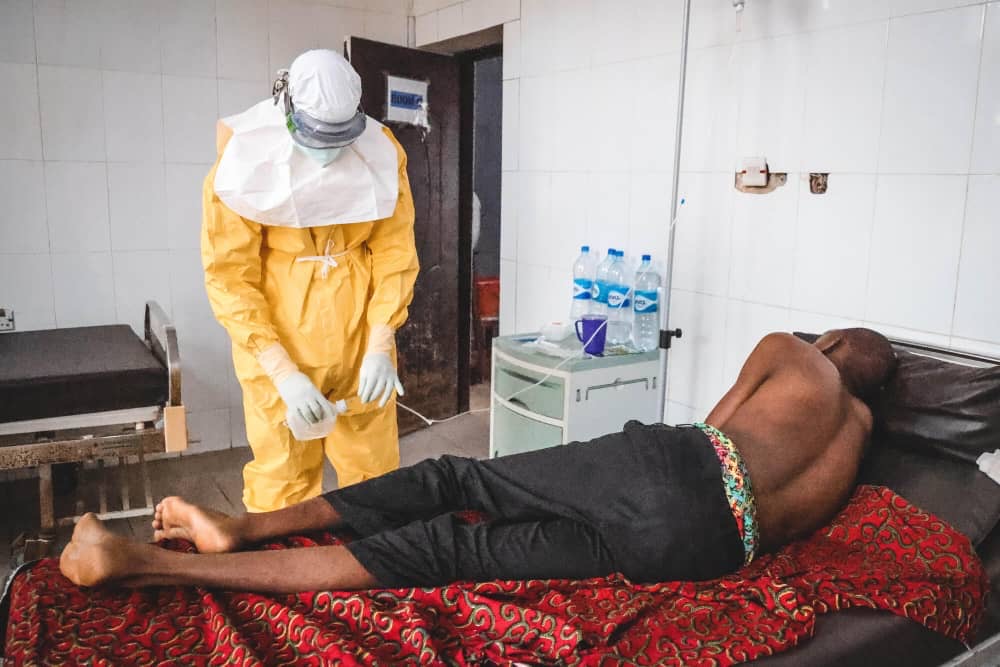
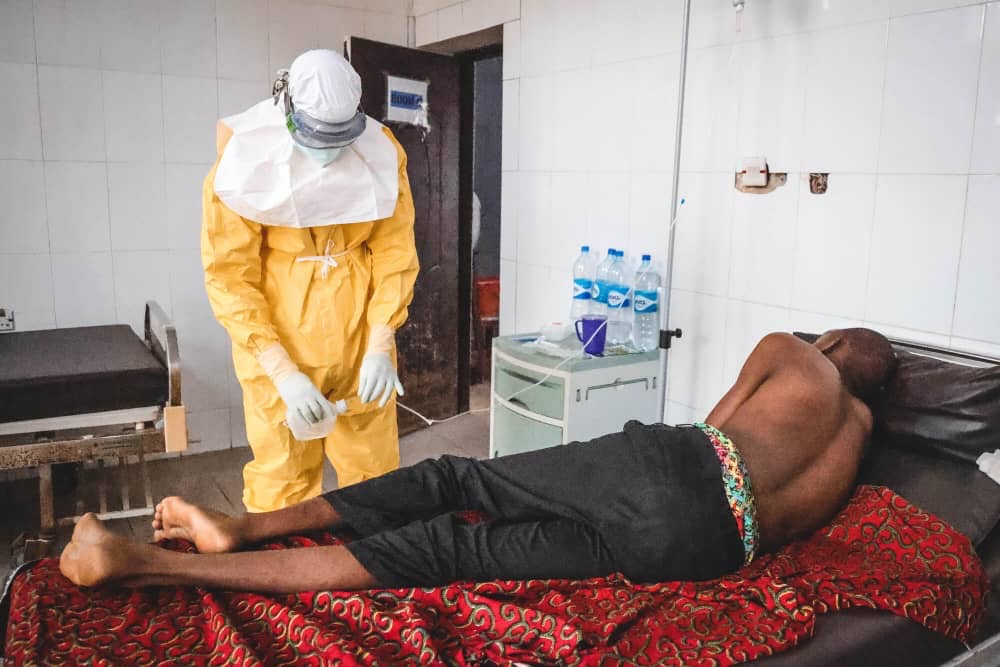
"Think Lassa. Protect. Report. Refer," Idris urged healthcare workers, stressing that every infection among healthcare workers should be investigated. Lessons learned should be used to prevent further spread.
Nigerians Urged to Prepare
Idris encouraged Nigerians to take practical steps to lower their chance of infection before the peak season.
He advised families to keep food like rice, garri, beans, and maize in covered containers. They should not dry food on bare ground or anywhere rodents can reach.
He also advised blocking any openings that rodents could use to enter homes, clearing clutter, disposing of waste properly, and avoiding contact with rodents and their waste.
He urged Nigerians with fever or other symptoms, especially those in areas where Lassa fever is common, to seek medical help quickly.
"If you have treated what you believe to be malaria and your symptoms persist, please do not continue treating yourself at home. Seek appropriate medical attention," he said.
The NCDC will also ramp up its "Turn a Community Orange" (TACO) strategy in selected high-risk areas. This aims to promote preventive practices, preparedness, and early reporting and referral.
States, LGs Asked to Act Early
Idris called on state and local governments, especially those with ongoing Lassa fever cases, to boost preparedness before cases rise.
He urged them to enhance environmental sanitation, engage Environmental Health Officers, and ensure health facilities can identify suspected cases. They should also protect healthcare workers, report cases promptly, and refer patients properly.
States must have working surveillance systems, clear lab referral paths, and prepared treatment centers while ensuring essential medicines, lab supplies, and infection control items are ready before the health system faces pressure.
Support
Idris stated that the NCDC will keep supporting research into changing patterns of Lassa fever transmission. This includes studying whether rodents other than Mastomys species may contribute to transmission and the role of asymptomatic infections.
Lassa Fever
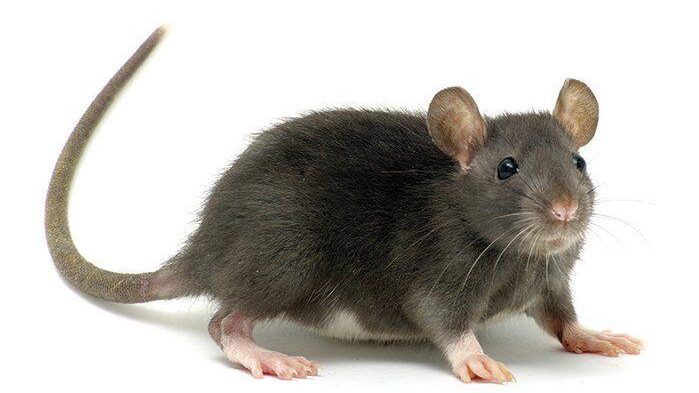
Lassa fever is a viral illness caused by the Lassa virus. It spreads mainly through contact with food or household items contaminated by urine or feces from infected rats. It can also spread from person to person through bodily fluids.
The disease usually starts with fever, weakness, and headache, and can worsen to severe symptoms like bleeding, difficulty breathing, swelling, and organ failure.
Early diagnosis and quick treatment with Ribavirin are vital for improving survival.




Drop your comment
No comments yet — be the first to drop the gist 👇