
Retirement in Nigeria has often brought fear and uncertainty. Many civil servants end their long careers facing financial problems, bad investments, or even scams. Instead of enjoying their retirement, they find themselves struggling. But Nonye Ayeni, the head of the Nigerian Export Promotion Council (NEPC), is changing this story. She is introducing a new vision where retirement becomes a time to start a business instead of facing hardships.
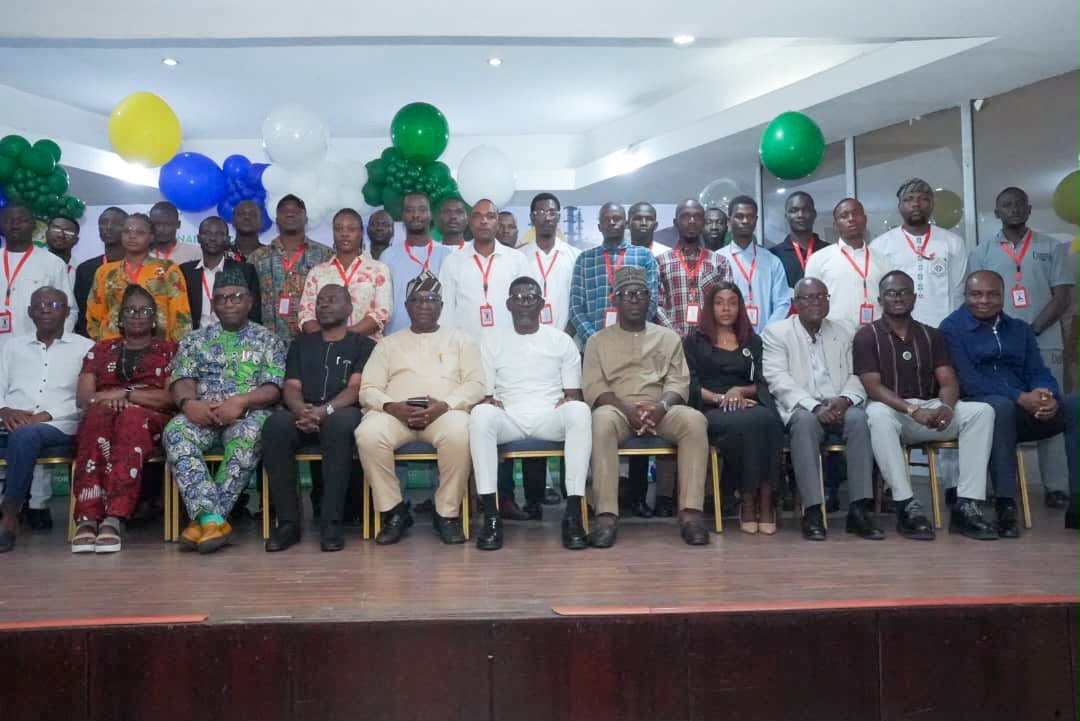
This new vision is part of the Sustainable Opportunities for Active Retirement (SOAR) Initiative. This program is aimed at civil servants who are about three years away from retirement. It helps them gain practical skills to join Nigeria’s growing non-oil export sector. As Ayeni told the participants, "Retirement should not be viewed as the end of productive engagement… it should be seen as the beginning of a new chapter where years of experience, discipline and leadership can be channelled into building sustainable enterprises." Her message is clear: retirement is not the end of work but a new chance.
SOAR is not just another seminar. It teaches participants about export rules, global quality standards, financing options, and chances in different areas like agriculture, processing, packaging, logistics, and export services. The program continues even after the classes are done. Retirees get paired with experienced exporters and industry experts who guide them in their new business journey. This shows that successful businesses grow not only from knowledge but also from connections and ongoing support.
Ayeni has also made changes within NEPC. She has promoted a culture of fairness, openness, and professional growth. Seven of the Council's eight directors have been promoted, along with many other officers. About 97 percent of staff who took promotion exams moved up a grade. This shows fairness and a fresh start for the organization. Nearly 100 staff members have joined international programs to learn global best practices in export promotion and trade. Solar power systems have been set up in most of NEPC's 36 state offices, ensuring reliable support for exporters across Nigeria. These changes have boosted the Council's ability and spirit, creating a team better prepared to help Nigeria’s exporters.
The results are clear. In 2025, Nigeria recorded US$6.1 billion in formally documented non-oil exports, the highest since NEPC started keeping records. This is an 11.5 percent increase from the previous year, with 281 products sent to 120 countries. These numbers reflect ongoing investments in training, certification, and market development. NEPC held 728 export development programs that reached over 96,000 participants nationwide. It funded internationally recognized certifications like FDA, ISO 22000, Halal, and HACCP for 210 small and medium-sized enterprises (SMEs), helping them access markets that were previously out of reach.
Ayeni's leadership has also created more chances for women and young people. Through the Export Skills Acquisition Centre, over 300 people have been trained in making garment bags, fashion accessories, and related products, with plans to reach 1,000. NEPC is the only African institution chosen for the first phase of the Women Exporters in the Digital Economy (WEIDE) Fund, where 146 women-led businesses received training, mentoring, and grants between $3,000 and $30,000. These efforts are creating a more inclusive export environment and making women key players in non-oil trade.


The Council is also addressing ongoing issues like product rejection in foreign markets. With the Standards and Trade Development Facility (STDF 845) project in partnership with the International Trade Centre, NEPC is raising quality standards, starting with the sesame cluster in Kebbi. The results are already showing. A trade mission to Türkiye has opened the way for Nigeria's first sesame export production cluster in Kebbi State, linking local farmers to new export chances.
People have noticed the changes. The Head of the Civil Service of the Federation, Mrs Didi Esther Walson-Jack, called SOAR a model that should be copied in the public service. She emphasized that retirement should never be “a sentence to misery,” echoing the feelings of participants who see this program as a way to rethink their lives after service. The NEPC Labour Union also praised the initiative, saying many retirees fall prey to scams because they are unprepared. They argued that SOAR gives retirees the knowledge and skills needed to build sustainable livelihoods.
Ayeni's changes align with the current global economic situation. WTO Director-General Dr Ngozi Okonjo-Iweala recently advised that Nigeria needs to diversify its export markets and strengthen trade beyond traditional partners. NEPC's work, which includes capturing informal cross-border trade, enhancing quality standards, and broadening market access, positions Nigeria to respond smartly to changing global trends.
The idea behind SOAR is strong. "A worker’s last day in government should not mark the end of ambition or contribution," the document states. With proper preparation, retirement can be the starting point for launching businesses, creating jobs, and connecting Nigerian products to global markets. Under Nonye Ayeni's leadership, NEPC shows that experienced civil servants are not leaving the productive economy; they are entering a new phase of contribution, creativity, and business.
If this vision spreads through the public service, retirement in Nigeria may finally lose its old fears and become what NEPC hopes it will be: a time of renewed purpose, chances, and value creation for the nation.



Drop your comment
No comments yet — be the first to drop the gist 👇