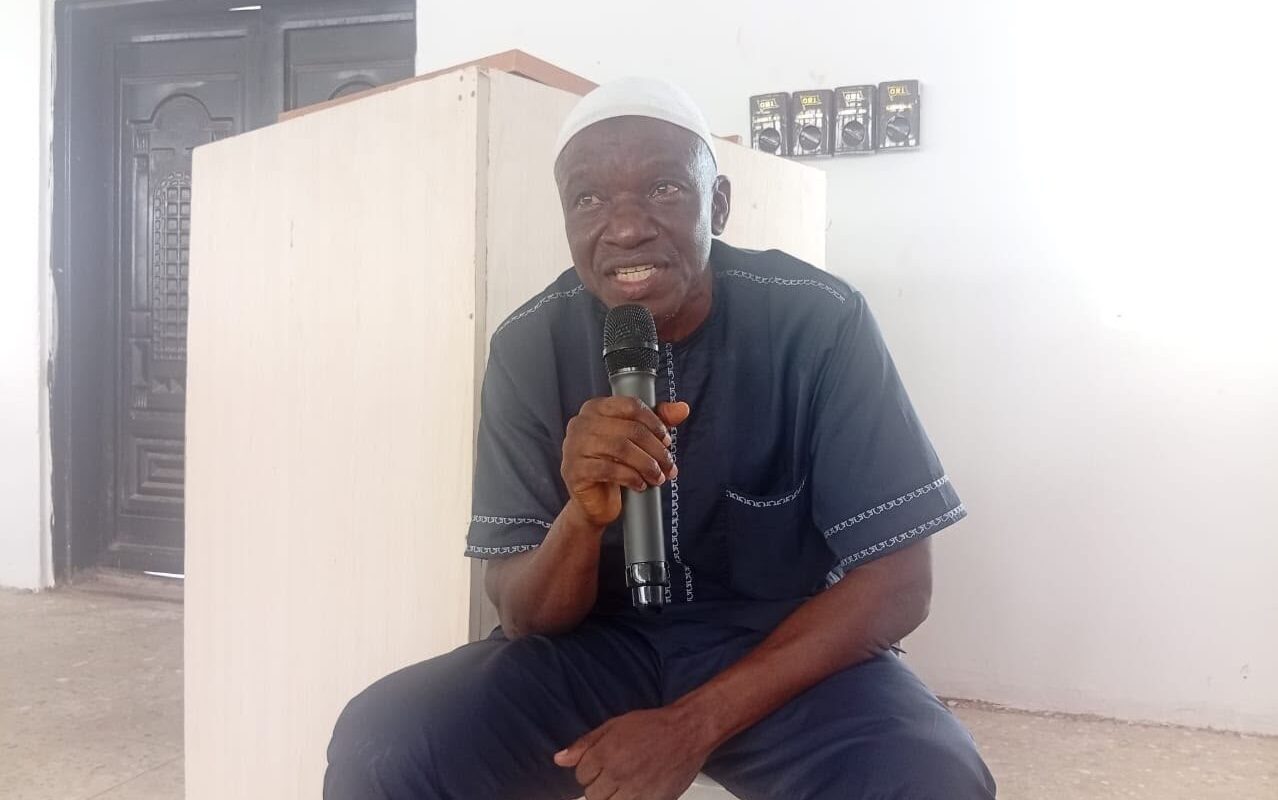
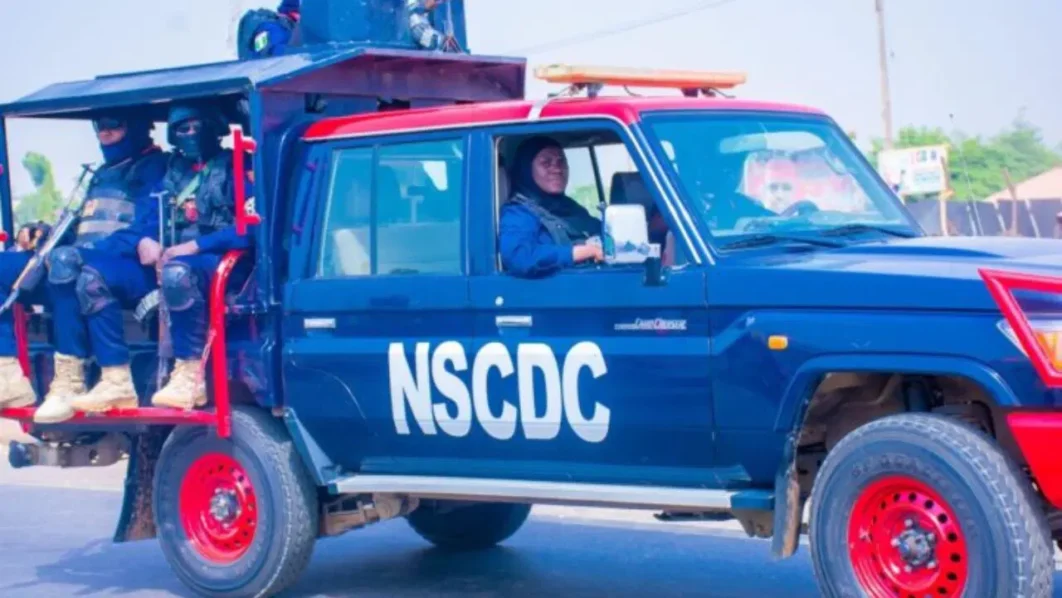
The suspended Commandant of the Nigeria Security and Civil Defence Corps (NSCDC) in Niger State, Suberu Aniviye, has expressed his regret to the families of 37 suspected illegal miners who died while in the agency's custody in Minna, the state capital.
Mr Aniviye gave this apology while speaking before a panel looking into the deaths, as reported by the Nigerian Television Authority (NTA). He asked for forgiveness from the grieving families, calling the incident a grave mistake that could have been avoided.
His testimony was part of the second session of the inquiry, which is led by Justice Mohammed Mohammed. The panel is trying to find out what happened before the deaths, how the suspects were arrested, and how they were treated while in detention.
Mr Aniviye explained that the operation began after residents near M.I. Wushishi Housing Estate complained about mining activities in their area. He visited the site on 15 September before sending mining marshals to arrest the suspected illegal miners the next evening, 16 September.
He said he learned about the deaths through a phone call on 17 September. When he returned to the command's office, he found the bodies lying on the floor of the detention cell. He then informed Niger State Governor Mohammed Bago, who ordered that the bodies be moved to a mortuary.
Mr Aniviye also mentioned that he contacted the state Commissioner of Police and the Director of the State Security Service (SSS) after finding out about the incident. He told the panel that the suspects were supposed to appear in court on 17 September before they died.
So far, the exact cause of the deaths has not been confirmed in the information shared during the inquiry. Two other NSCDC officials also testified: Stephen Tsado, the command's legal officer, and Maryam Etang, a nurse from its medical unit.
Their testimonies also contribute to the inquiry on the events leading to the arrests, detention, and deaths of the 37 suspects. After the session, Mr Mohammed took other panel members to the mortuary at Minna General Hospital, where the bodies are kept.
The judge revealed that three of the bodies had not been claimed as of Thursday, showing the ongoing challenge of identifying the deceased and making proper arrangements for them. The deaths happened after enforcement operations in the M.I. Wushishi and Lukoto areas of Minna on 15 and 16 September.

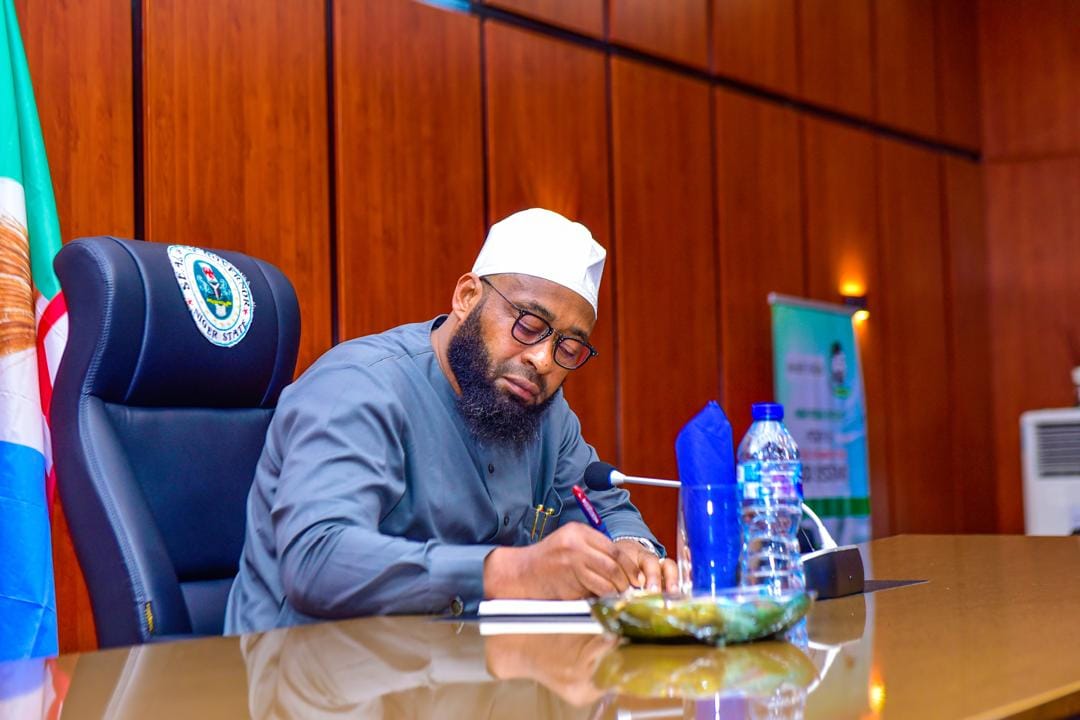
Initial reports stated that 33 suspects had died, but the Niger State Government later confirmed that the death toll was actually 37. This incident raised public alarm and calls for accountability, as questions about the deaths and treatment of the suspects in custody became major concerns in the investigation.
The federal government suspended Mr Aniviye and ordered an investigation. They also set up a 10-member independent committee to find out what led to the deaths, figure out who is responsible, and suggest ways to prevent this from happening again.
This committee is led by Jonathan Kure, a retired Deputy Director-General of the Department of State Services. It started its work in September, which included visiting key sites, interviewing survivors and grieving families, and gathering statements and other evidence.
On 7 October, Mr Kure noted that the committee had found issues needing more examination. These included possible problems within the agency, excessive force, and insufficient training for personnel. He added that the panel had asked for an extension until 21 October to review evidence and get remaining forensic and pathology reports.
The committee had previously stated that its medical team was working to find out the cause and manner of the deaths. Their final report is expected to clarify what happened and determine if any officers or others should be held accountable.
On 5 October, Vice-President Kashim Shettima visited Minna and announced that the federal government would donate N250 million to help the families of those who died. This donation came after other support measures were revealed after the incident, as both state and federal governments faced pressure to assist the affected families and ensure a thorough investigation.
The deaths have raised wider concerns about how suspects are treated in custody, the use of force during enforcement, and accountability within security agencies. The inquiry aims to find out how the 37 suspects died and if there were failures in procedures, detention, or the conduct of personnel that led to this tragedy.



Drop your comment
No comments yet — be the first to drop the gist 👇