Nigeria and France have called for stronger political leadership and more funding to speed up the plan to protect 30 percent of the world’s land and seas by 2030.
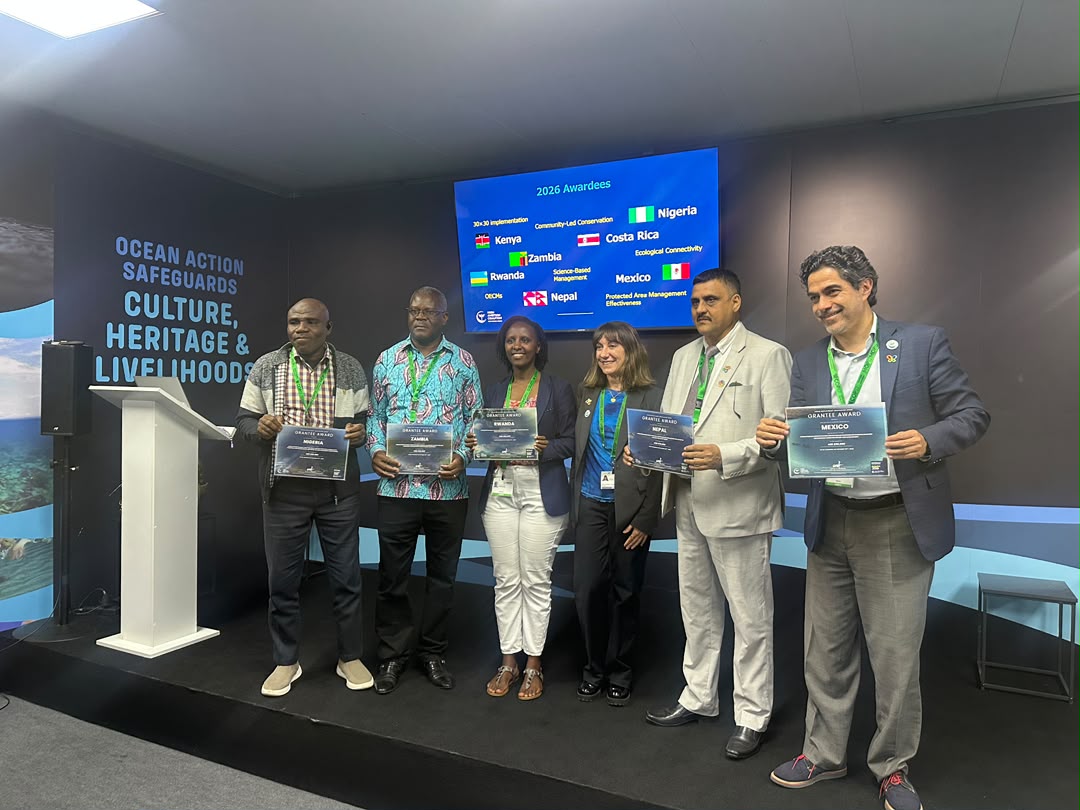
The two nations made this call during a Target 3 Action Day at the ongoing 17th Conference of the Parties to the United Nations Convention on Biological Diversity (CBD COP17) in Yerevan, Armenia.
As co-chairs of the High Ambition Coalition (HAC) for Nature and People, they highlighted the need to keep political commitment and turn global biodiversity promises into real conservation results.
HAC is the largest coalition working to protect nature. With 123 member countries, it aims to conserve at least 30 percent of the world’s land and ocean by 2030, known as “30×30.”
This plan is a key part of the Kunming-Montreal Global Biodiversity Framework. The permanent HAC for N&P Secretariat, set up in 2023, has made big strides in helping its members work towards this global goal, aiming to stop and reverse biodiversity loss and help nature recover.
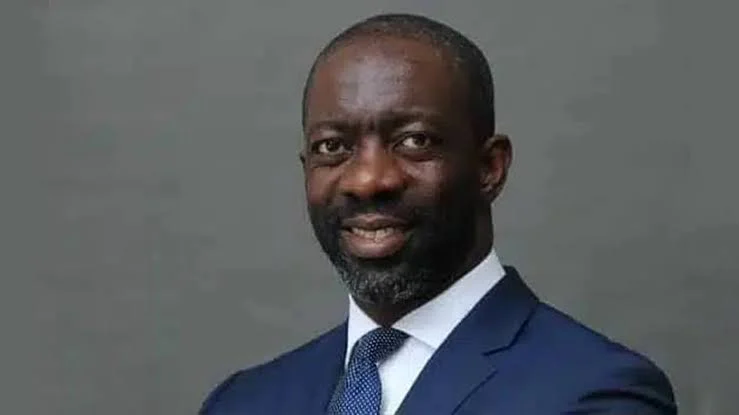
Charles Nicolai, who spoke for the coalition, said political leadership must not stop after the target was adopted at CBD COP15 in Montreal, Canada.
“Political leadership did not end in Montreal, when Target 3 was adopted at CBD COP15. It must endure until the target has been collectively achieved,” he said.
Mr Nicolai warned that weak political commitment could delay progress, saying only four years are left to meet the 2030 target.
“Where leadership falters, implementation slows. With only four years remaining until 2030, we cannot afford to lose momentum,” he said, adding that he believes the 30×30 target is still achievable.
The 30×30 target is a major part of the Kunming-Montreal Global Biodiversity Framework adopted in 2022. It asks countries to ensure that by 2030, at least 30 percent of land, freshwater, coastal, and marine areas are well managed and protected.
Mr Nicolai mentioned that France used its presidency of the Group of Seven (G7) this year to push for better management of marine protected areas.
He said G7 environment ministers agreed to make this a key issue and set up a platform to share knowledge and best practices for managing protected marine areas.
In West Africa, he noted that Nigeria has been a strong advocate for the 30×30 target, using its diplomatic power to promote a united approach to increasing and strengthening protected areas on land and at sea.
He added that the coalition has held six regional and global meetings, with help from its secretariat, to find ways to improve implementation.
These meetings, held through events like ChangeNOW, the Our Ocean Conference, and conventions, helped create a 30×30 Ministerial Declaration.
According to Mr Nicolai, the declaration aims to renew political commitment and encourage coalition members to take on more ambitious goals.


The coalition also presented the declaration and a 30×30 Global Assessment at a Nature Leaders event at the United Nations headquarters, attended by many heads of state and ministers.
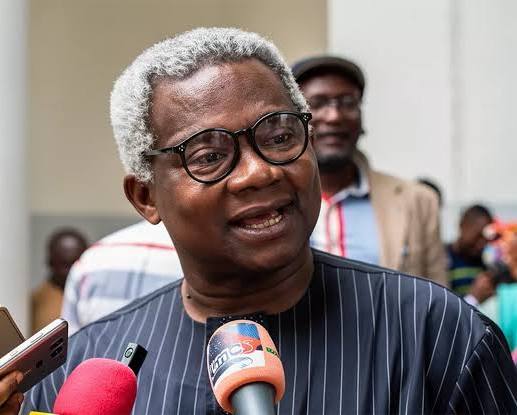
In her speech, Sikeade Egbuwalo, Nigeria’s representative to the Convention on Biological Diversity, said reaching the target needs coordinated action from governments, communities, businesses, and civil society.
She described the 30×30 goal as more than just a slogan. It represents a promise to nature, people, and future generations.
Ms Egbuwalo listed six guiding principles for the ministerial declaration: collective responsibility, transparency, effective management, community involvement, local action, and proper funding.
She said governments should show progress through clear reporting, including submissions to the World Database on Protected and Conserved Areas and national reports to the CBD.
She also cautioned against seeing the target as just numbers, saying protected areas must be well managed, connected, representative, and well governed.
“Quality matters just as much as quantity! It is not enough to draw lines on a map and declare victory,” she said.
Ms Egbuwalo highlighted the need to ensure that Indigenous Peoples and local communities play key roles in conservation decisions, recognizing their long-standing efforts to protect nature.
She called for stronger national actions and regional cooperation, including progress on the Agreement on the Conservation and Sustainable Use of Marine Biological Diversity of Areas Beyond National Jurisdiction, known as the BBNJ Agreement.
Mrs Egbuwalo pointed out that financing is crucial for reaching the 2030 target, especially in developing countries.
“Ambition is wonderful, but ambition without resources will not get us very far,” she said, calling for proper, accessible, and timely funding to turn commitments into real conservation results.
She urged governments, development partners, businesses, civil society groups, and others to keep the energy from COP17 going after the conference.
Mrs Egbuwalo also shared that the coalition plans to hold its first 30×30 Global Summit in 2027, creating another chance to assess progress and share successful conservation efforts.
She said the summit would gather governments, NGOs, funders, Indigenous Peoples and local communities, businesses, and other partners.
“30×30 is not a competition over who protects the most. It is a collective mission to ensure that nature wins, and when nature wins, humanity wins!”


Drop your comment
No comments yet — be the first to drop the gist 👇