The National Human Rights Commission (NHRC), the Rule of Law and Accountability Advocacy Centre (RULAAC), and the Civil Society Legislative Advocacy Centre (CISLAC) have said that Nigeria's economic reforms must lead to better living conditions, stronger rights protection, and greater security for citizens.
The three groups made this statement in separate messages to mark Nigeria’s 66th Independence anniversary, shared with PREMIUM TIMES on Thursday.
They stressed that the success of the country’s reforms should be judged by how they affect ordinary Nigerians.
The groups linked economic progress to the welfare and dignity of citizens. They argued that improvements in economic indicators mean little if Nigerians continue to struggle with basic needs, insecurity, and lack of rights protection.
They also connected development with accountable governance, the rule of law, and institutions that protect citizens. But their messages had different focuses.
NHRC emphasized rights-based development and equal access to justice. RULAAC reviewed President Bola Tinubu’s Independence Day speech to raise specific concerns about the economy, security, governance, and the 2027 elections.
CISLAC focused on impunity, stronger democratic institutions, civic freedoms, and the need for democracy to provide real benefits to citizens.
Nigeria gained independence from British colonial rule on October 1, 1960, and became a republic three years later in 1963.
The 1960 Constitution Order in Council formally established Nigeria as an independent nation. Abubakar Tafawa Balewa became Prime Minister, while Nnamdi Azikiwe served as Governor-General under a federal parliamentary system.
Sixty-six years later, the promise of independence is still tied to security, opportunity, dignity, and a better life for Nigerians.
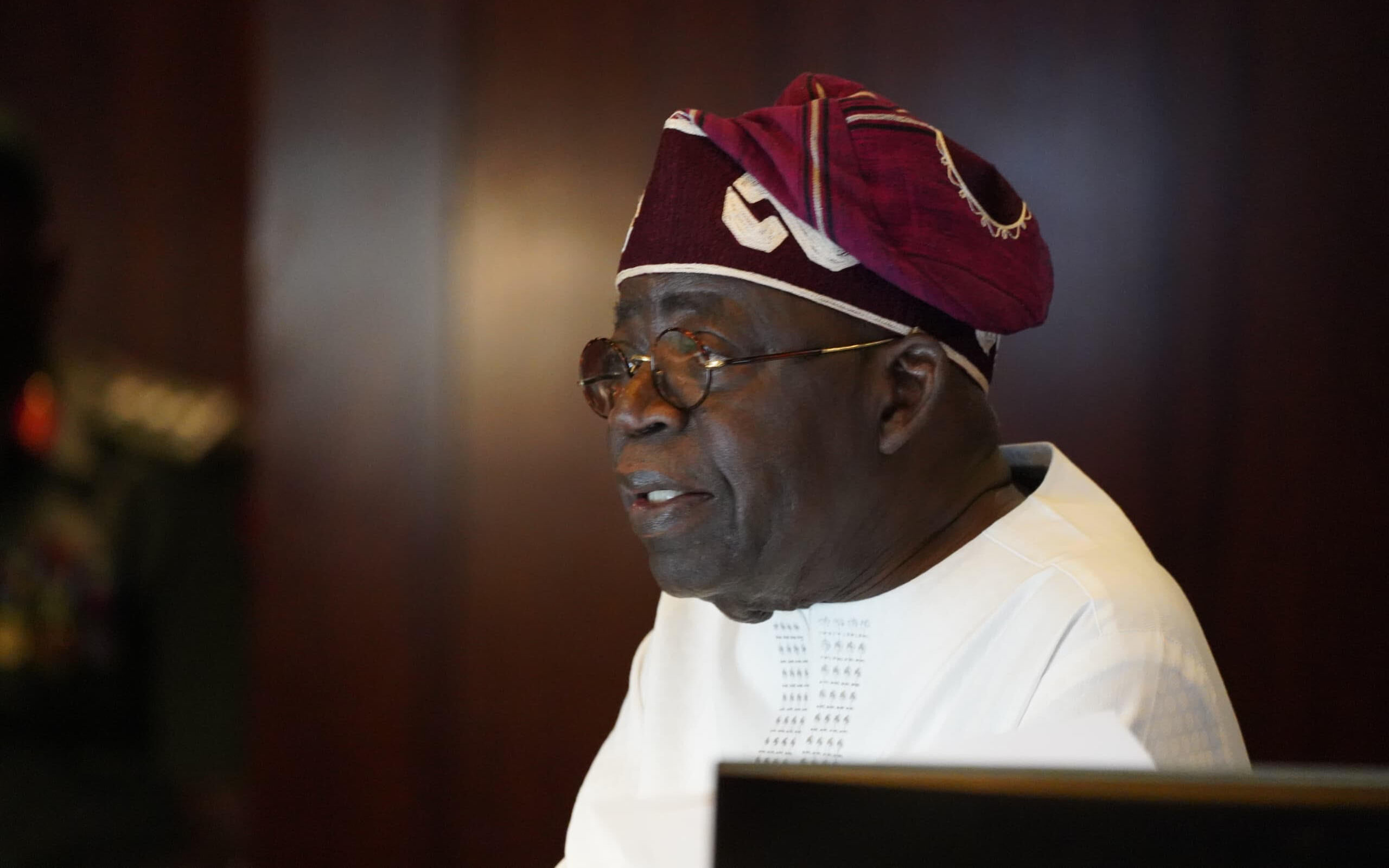
In his Independence Day speech, President Tinubu linked prosperity to the lives of Nigerians. He said when he spoke of prosperity, he did not mean just a larger economy, abstract numbers, or better statistics. He meant something much more personal.
He pointed to a Nigeria where farmers can work their land safely, young people can find jobs, and food and transportation are affordable. President Tinubu declared that the country was moving from reform to prosperity.
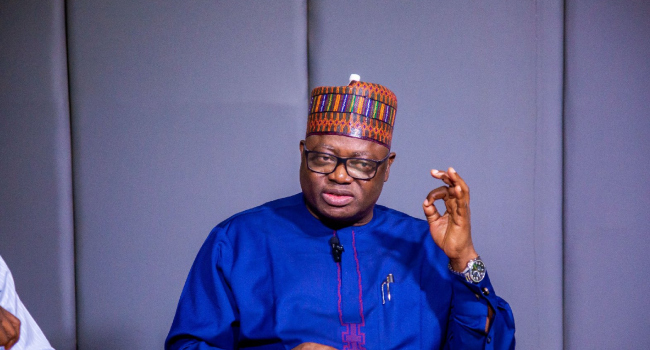
In a statement signed by its Executive Director, Okechukwu Nwanguma, RULAAC responded to President Tinubu’s speech by acknowledging the administration’s references to economic growth, lower inflation, increased foreign reserves, greater stability in the foreign-exchange market, and higher non-oil exports.
According to Mr Nwanguma, economic success cannot be measured by statistics alone. It must be seen in “the food on Nigerian families’ tables, electricity in their homes, quality education for their children, and security in their communities.”
He maintained that food, transportation, housing, healthcare, and education are still hard for many families to afford. Inflation has reduced the purchasing power of wages.
RULAAC urged the government to provide clear accounts of savings and extra revenues from the reforms. They also want to see how these resources are invested in social protection, healthcare, education, public transportation, employment, and infrastructure.
Mr Nwanguma added that citizens cannot keep making sacrifices while governments seem uncommitted to reducing waste, extravagance, and the cost of governance.
RULAAC criticized the lack of attention to insecurity in President Tinubu’s speech. They pointed out terrorism, banditry, kidnapping, communal violence, and other crimes as ongoing threats to lives, livelihoods, and economic activities.
They argued that farmers cannot contribute to food security if they cannot safely access their farms. Businesses cannot thrive where kidnappings and violent crimes add extra costs to economic activities.
But the group said security should not only mean protection from criminal groups. Nigerians must also be protected from unlawful actions by state agents.
Mr Nwanguma disclosed that RULAAC continues to receive and document claims of arbitrary arrests, torture, prolonged detention, extortion, and unlawful property seizures by law enforcement.
They called for police reform, accountability for misconduct, effective civilian oversight, and full implementation of safeguards in the Police Act 2020 and other laws.
RULAAC also called for greater transparency in public spending, stronger anti-corruption institutions, and judicial independence. They want protection for freedom of expression and peaceful gatherings.
Mr Nwanguma stressed the need to protect journalists, human rights defenders, and civil society organizations.
The group insisted that “the rule of law cannot be selectively applied.” Political officeholders, security officials, and politically connected individuals should face the same laws as ordinary citizens.
RULAAC raised concerns about political intimidation and violence. They called for neutrality from security agencies, protection for journalists and election observers, respect for INEC’s independence, and enforcement against vote-buying.
In its Independence Day message, signed by its Director of Corporate Affairs and External Linkages, Fatimah Agwai Mohammed, the NHRC stated that Nigeria’s reforms must be measured by their impact on citizens’ lives, rights, and dignity.
Reflecting on the national theme, “From Reforms to Stability: Consolidating Nigeria’s Renewed Hope for Shared Prosperity,” the commission’s Executive Secretary, Tony Ojukwu, a Senior Advocate of Nigeria (SAN), stressed that economic growth is only sustainable if its benefits reach many people.
He stated that vulnerable and disadvantaged Nigerians must not bear a disproportionate share of the hardships from the reforms.
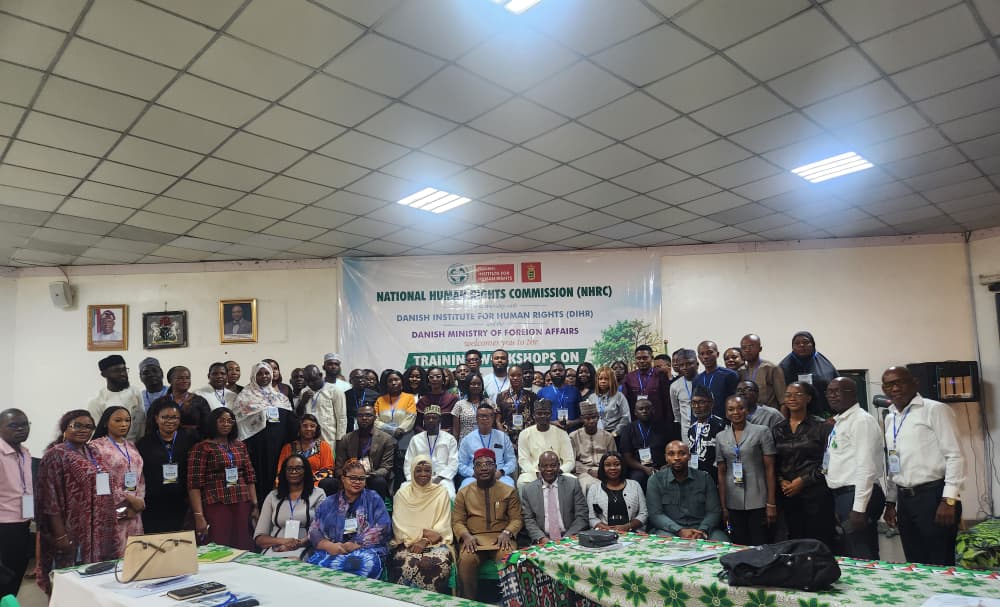
“The success of reforms must ultimately be measured by their impact on the lives, rights, and dignity of ordinary Nigerians,” Mr Ojukwu pointed out.
The NHRC called on all levels of government to strengthen social protection, expand access to basic services, and ensure that economic policies meet Nigeria’s constitutional and international human rights obligations.
Mr Ojukwu also praised Nigerians for their resilience during the country’s social, economic, and political challenges.
But he urged security and law enforcement agencies to balance their duty to protect national security with respect for fundamental rights.
“National security must go hand in hand with the protection of fundamental rights,” Mr Ojukwu stated. He also called for better adherence to the rule of law, an independent and effective justice system, and real access to justice for poor and vulnerable citizens.
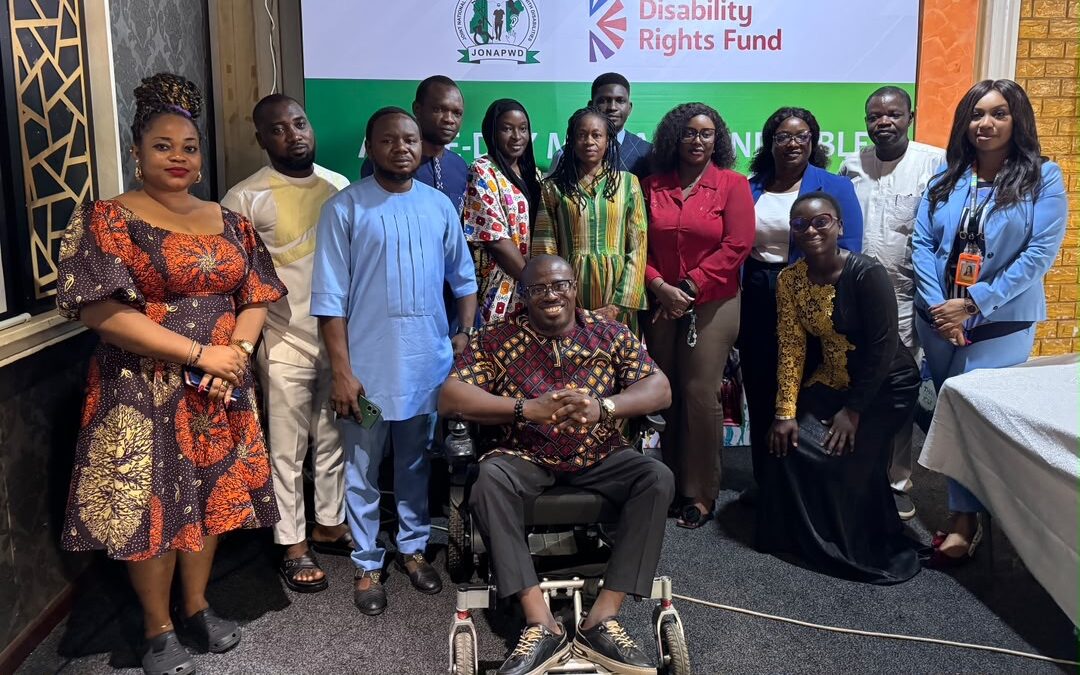
He specifically identified persons with disabilities, women, children, internally displaced persons, and other disadvantaged groups as needing more protection.
The NHRC urged public institutions to build public trust through transparency, accountability, and responsive governance.
Mr Ojukwu also recognized the role of civil society organizations, the media, and human rights defenders in strengthening democracy and protecting fundamental freedoms. He stressed that an open civic space is vital for sustainable national development.
He reaffirmed the commission’s commitment to working with government institutions, security agencies, civil society, the media, development partners, and citizens to enhance accountability and protect human rights.
Mr Ojukwu stressed that moving from reforms to lasting stability requires more than just economic changes.
It also requires a Nigeria where every citizen enjoys equal protection of the law, access to justice, dignity, and the chance to participate meaningfully in the nation’s development.
For CISLAC, Nigeria’s 66th Independence anniversary should be more than just a celebration. It should be a chance to see if democracy is improving citizens' lives.
In a statement signed by its Executive Director, Auwal ‘Rafsanjani’ Musa, CISLAC explained that democracy should mean more than just elections and changes in political leadership.
Mr Rafsanjani argued that democracy must also provide accountable leadership, strong institutions, security, justice, dignity, and economic opportunities for citizens.
He raised concerns about the shrinking civic space, citing the recent arrest and remand of five men in Maiduguri, Borno State, over allegations related to T-shirts with the words “Tinubu Must Go.”
CISLAC’s independence statement argued that prosecuting citizens for peaceful political expression raises issues about freedom of expression and civic space protection.
“A democracy that criminalizes peaceful dissent and treats political slogans as threats to public order is a democracy weakened from within,” noted Mr Rafsanjani.
The organization mentioned its plans to work with Amnesty International and other human rights groups to document cases involving political and public officials accused of violating civic freedoms, suppressing legitimate political expression, or infringing on citizens' rights.
They insisted that public office should be seen as a public trust, not a way to gain personal wealth, patronage, or abuse power.
They called on the National Assembly to strengthen its oversight role and urged anti-corruption agencies to work without political influence.
They also wanted the judiciary, law enforcement agencies, and regulatory bodies to stay independent, professional, and accountable.
CISLAC stated that corruption, insecurity, and injustice are serious threats to democratic stability. Corruption takes away public services, while impunity damages trust in public institutions.
The group linked the quality of democracy to citizens’ economic conditions, highlighting the number of Nigerian children out of school and the ongoing migration of young, skilled Nigerians seeking better economic opportunities.
“Growth without inclusion is not prosperity, and democracy without economic dignity will continue to lose the confidence of citizens,” it said.
They explained that terrorism, banditry, kidnapping, communal violence, and abuses by security agencies undermine Nigerians’ right to live without fear. They called for accountability, human rights protection, conflict prevention, and access to justice.
They stated that independence should mean access to food, decent jobs, affordable healthcare, quality education, social protection, and opportunities for young people and businesses. Citizens must also be free to question authorities.
As we approach 2027, CISLAC called for electoral integrity, stronger internal party democracy, consequences for electoral offenses, and an open civic space.
Drop your comment
No comments yet — be the first to drop the gist 👇