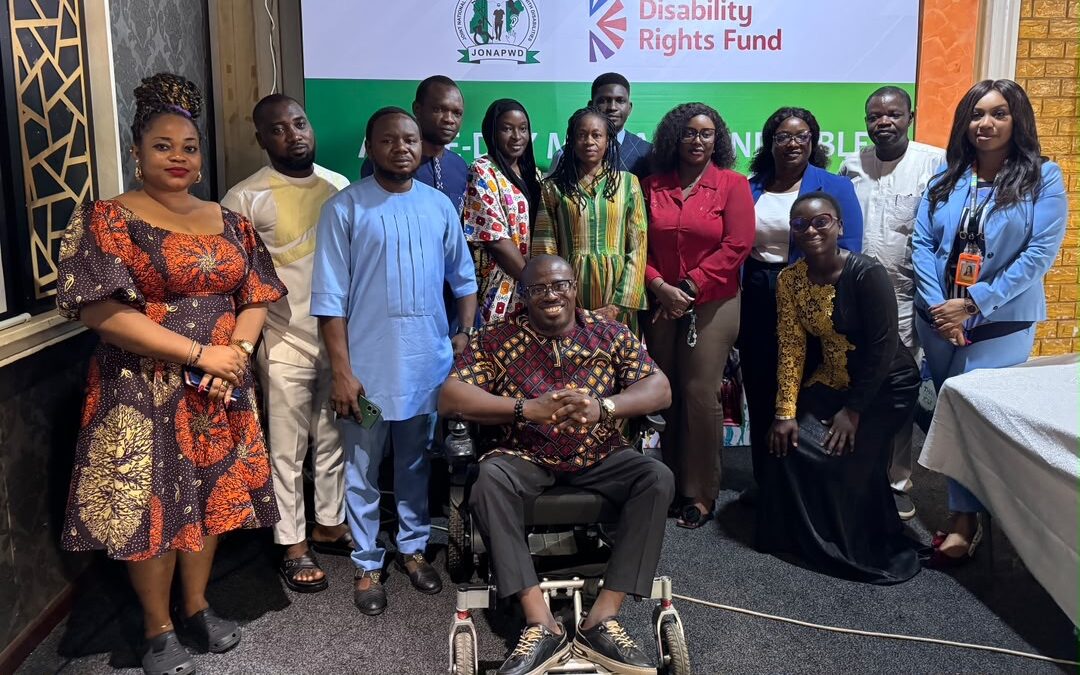
Disability rights groups are urging the federal government to do more than just announce policies. They want the government to speed up the actions promised during the Global Disability Summit (GDS). Millions of Nigerians with disabilities still face challenges in education, jobs, healthcare, access to information, and social support, despite laws that should protect them.
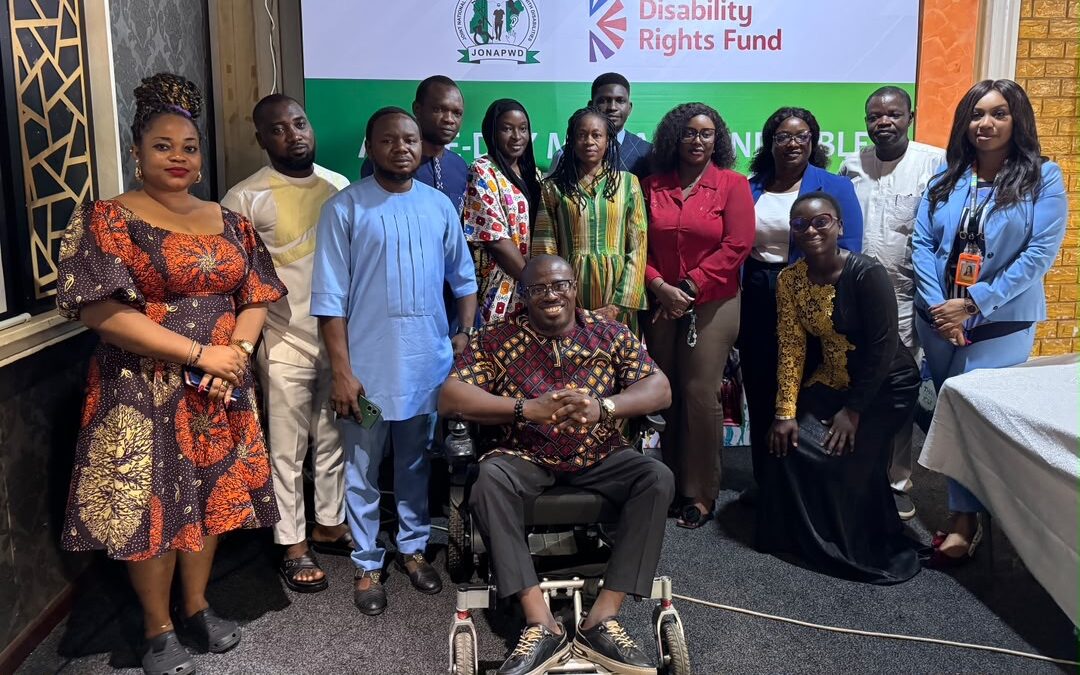
This call came on Wednesday during a media roundtable about the Nigeria 2025 GDS Commitments Action Plan. Stakeholders discussed key promises made by the government and asked journalists to take a more active role in ensuring these promises are fulfilled.
At the event, Abdullahi Usman, the National President of the Joint National Association of Persons with Disabilities (JONAPWD), was represented by Programme Officer Bukunmi Adejumo. She said the action plan was created to back advocacy, boost accountability, and ensure that the commitments made by Nigeria at the Global Disability Summit lead to real improvements for people with disabilities.
Adejumo explained that the Global Disability Summit is the largest platform worldwide for promoting the rights and inclusion of persons with disabilities. It brings together governments, UN agencies, civil society groups, and disability organizations to push for disability-inclusive development and humanitarian efforts.
The Nigeria 2025 GDS Commitments Action Plan was developed by groups representing persons with disabilities, along with the National Commission for Persons with Disabilities (NCPWD) and support from the Disability Rights Fund (DRF).
One major commitment focuses on making digital information and communication accessible, which is especially important for the media. The federal government has promised that by December 2027, the National Broadcasting Commission will provide inclusive and accessible broadcast services. This includes using sign language interpretation, audio captioning, and other measures to improve accessibility in broadcasting.
The government also promised to involve persons with disabilities and their representatives when creating accessible digital information and communication platforms. "The commitment is not just about providing information but ensuring that information is accessible to everyone regardless of disability," she said.
Adejumo pointed out commitments that aim to improve financial inclusion. She mentioned that the government plans to make banking services accessible across financial institutions by June 2028. The goal is for at least 75 percent of banks in Nigeria to offer services that people with disabilities can use.
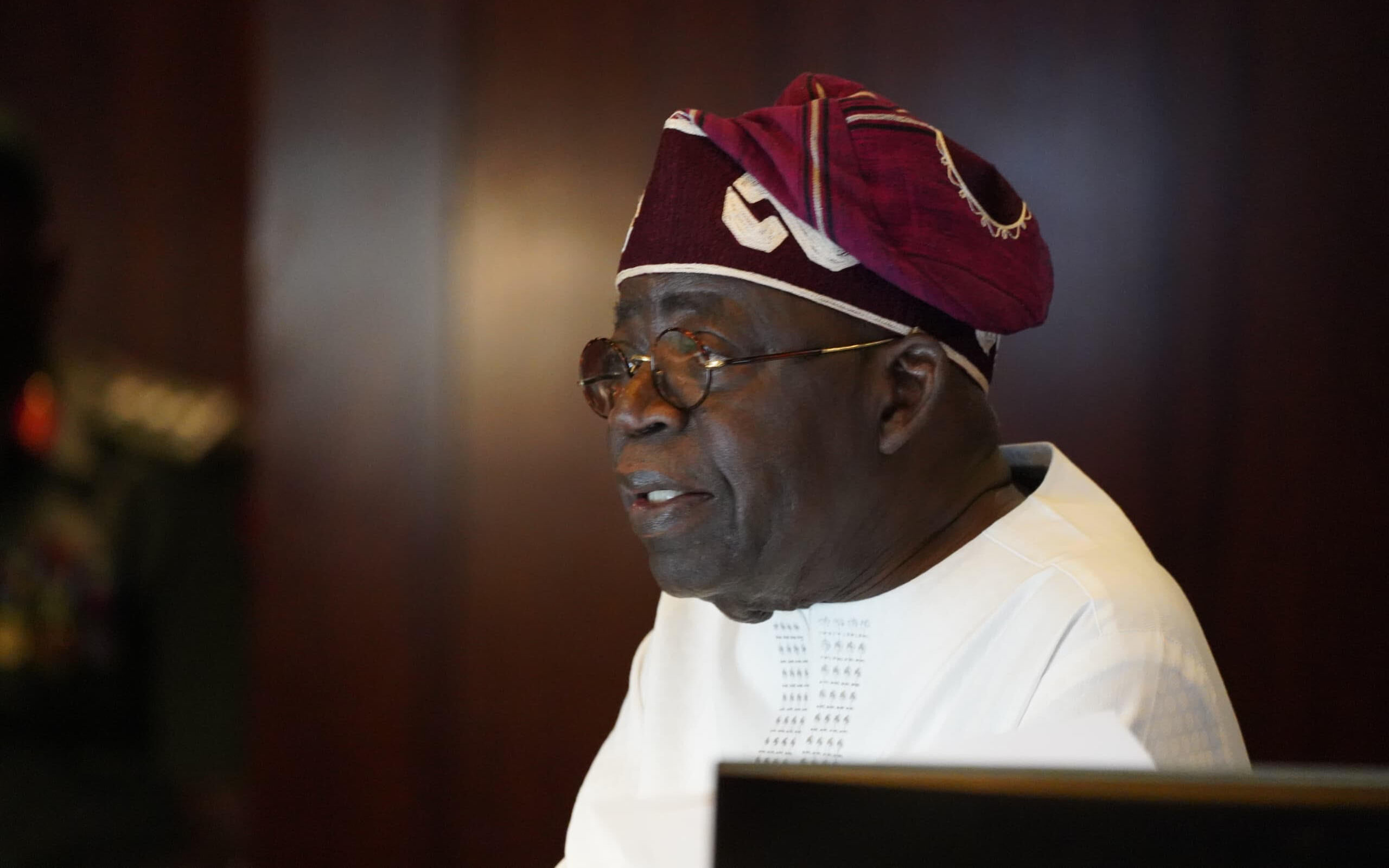
She also revealed that the government is working on legislation to allocate at least two percent of Nigeria's annual revenue to disability inclusion initiatives by December 2026. Regarding education, Adejumo raised concerns about how many children with disabilities are still excluded from schools. She described the current state of inclusive education in Nigeria as lacking.
Many children with disabilities are out of school, and those who are enrolled often deal with segregation, poor learning conditions, and a lack of special support. The government aims to bring 70 percent of out-of-school children back to school by 2028 through inclusive education policies and programs.
But she stressed that just making commitments isn't enough without real action. "We need action. We need to ensure that these commitments are reflected in government programs, budgets, and implementation plans," she said.
Adejumo discussed other important areas in the action plan, including legal rights, social protection, healthcare, accessible infrastructure, community inclusion, employment, and humanitarian action. She emphasized the need for people with intellectual and psychosocial disabilities to exercise their legal rights with support.
She called for greater involvement from the private sector in promoting disability inclusion. Companies should move beyond token gestures and adopt clear standards that help people with disabilities participate in economic and social life. According to her, groups representing persons with disabilities will monitor progress on these commitments and engage with government institutions where implementation is lacking.
Adejumo said the media has an important role in highlighting the voices of persons with disabilities and bringing attention to gaps in implementation. "We want to move from commitments to impact. By the time the next Global Disability Summit holds in 2028, we want to be able to point to real achievements rather than return with the same promises," she said.


Drop your comment
No comments yet — be the first to drop the gist 👇