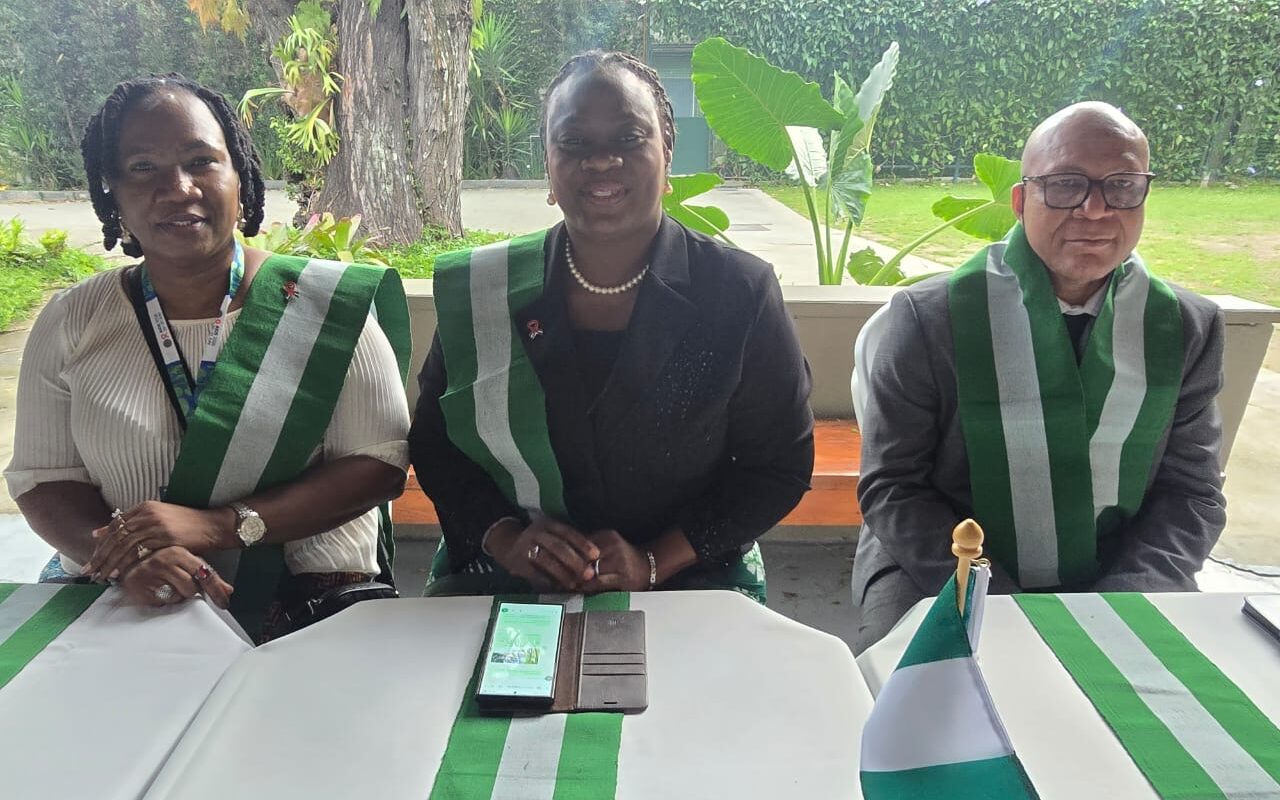
Nigeria is stepping up its efforts to find more local money for its HIV response. This comes as international funding drops, which could undo years of progress in preventing and treating HIV.
The Director-General of the National Agency for the Control of AIDS (NACA), Temitope Ilori, shared this update on Wednesday during the Nigeria event at the 26th International AIDS Conference (IAS 2026) in Rio de Janeiro, Brazil.
While discussing the topic, "Sustainability: Strengthening Resource Mobilisation for the National HIV Response in Nigeria," Ms Ilori highlighted the need for Nigeria to build a stronger and more independent HIV program. This program should be able to handle changes in the global economy.
Ms Ilori pointed out that Nigeria has made big strides in fighting HIV over the last 20 years. This success came through teamwork among the federal government, international partners, civil society groups, communities affected by HIV, and the private sector.
But she cautioned that changes in the global economy and a drop in development aid mean Nigeria needs to rethink how it funds its HIV program. "The future of the HIV response depends not only on scientific breakthroughs and effective interventions but also on our collective ability to build resilient, sustainable financing systems that can withstand evolving global economic realities," she said.
She noted that sustainability means more than just replacing donor money with local funds. It also needs better institutions, improved governance, more efficiency, fresh ideas, and broader partnerships to ensure that resources create the most impact.
Funding challenges
Ms Ilori’s comments come as funding for global HIV programs is facing serious challenges. A recent report from the Joint United Nations Programme on HIV/AIDS (UNAIDS) revealed that international donor funding for HIV programs dropped by 25 percent in 2025. This is the biggest single-year drop since global HIV financing started growing.
The report said this decline is mainly due to cuts in funding from the United States. These cuts happened because of delays in funding and the cancellation of some international health programs. This loss of funding has affected HIV services in several African countries. It has pushed governments to look for emergency funds and long-term local financing options.
In Nigeria, PREMIUM TIMES reported that cuts in donor support have disrupted community-based HIV treatment and support programs. This raises worries about the continuity of care for those living with HIV.
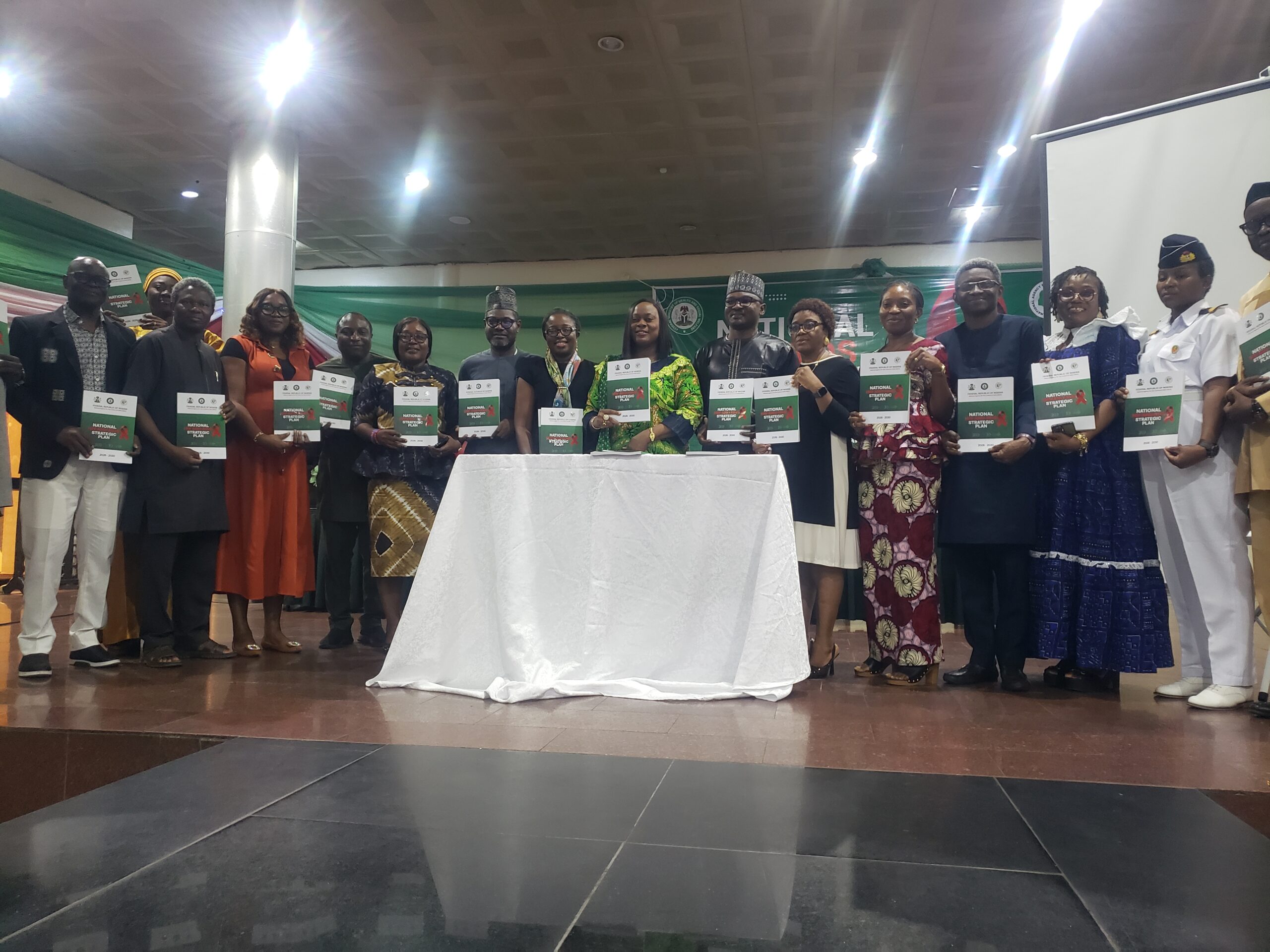
To tackle this issue, the federal government launched the National HIV and AIDS Strategic Plan (NSP) 2026, 2030 in June. This plan aims to shift the country’s HIV response from relying on donors to greater local funding and ownership.
Turning lessons into action
As part of the plan to strengthen the national response, Ms Ilori announced that NACA will hold a meeting with stakeholders after the conference. This meeting will look at key scientific advances, new policies, and best practices from IAS 2026. They will adapt these to Nigeria’s HIV program.
"We are here not merely to discuss challenges but to identify actionable solutions and forge stronger partnerships that will shape the future of Nigeria’s HIV response," she said.
Nigeria-Brazil partnership
Basil Okolo, Nigeria’s Charge d’Affaires to Brazil, also spoke. He said the renewed partnership between Nigeria and Brazil opens doors for better cooperation in healthcare. He mentioned that recent discussions between the two countries showed their commitment to working together more closely.
Mr Okolo said stronger teamwork among governments, development partners, academics, civil society, communities, and the private sector will be key to achieving lasting health results. He thanked Nigeria’s partners for their ongoing support for the nation’s HIV response and called for continued cooperation.


Drop your comment
No comments yet — be the first to drop the gist 👇