Nigeria has called on wealthy countries to keep their promise to provide at least $20 billion every year by 2025 and $30 billion by 2030. This funding will help developing nations implement biodiversity conservation plans effectively.
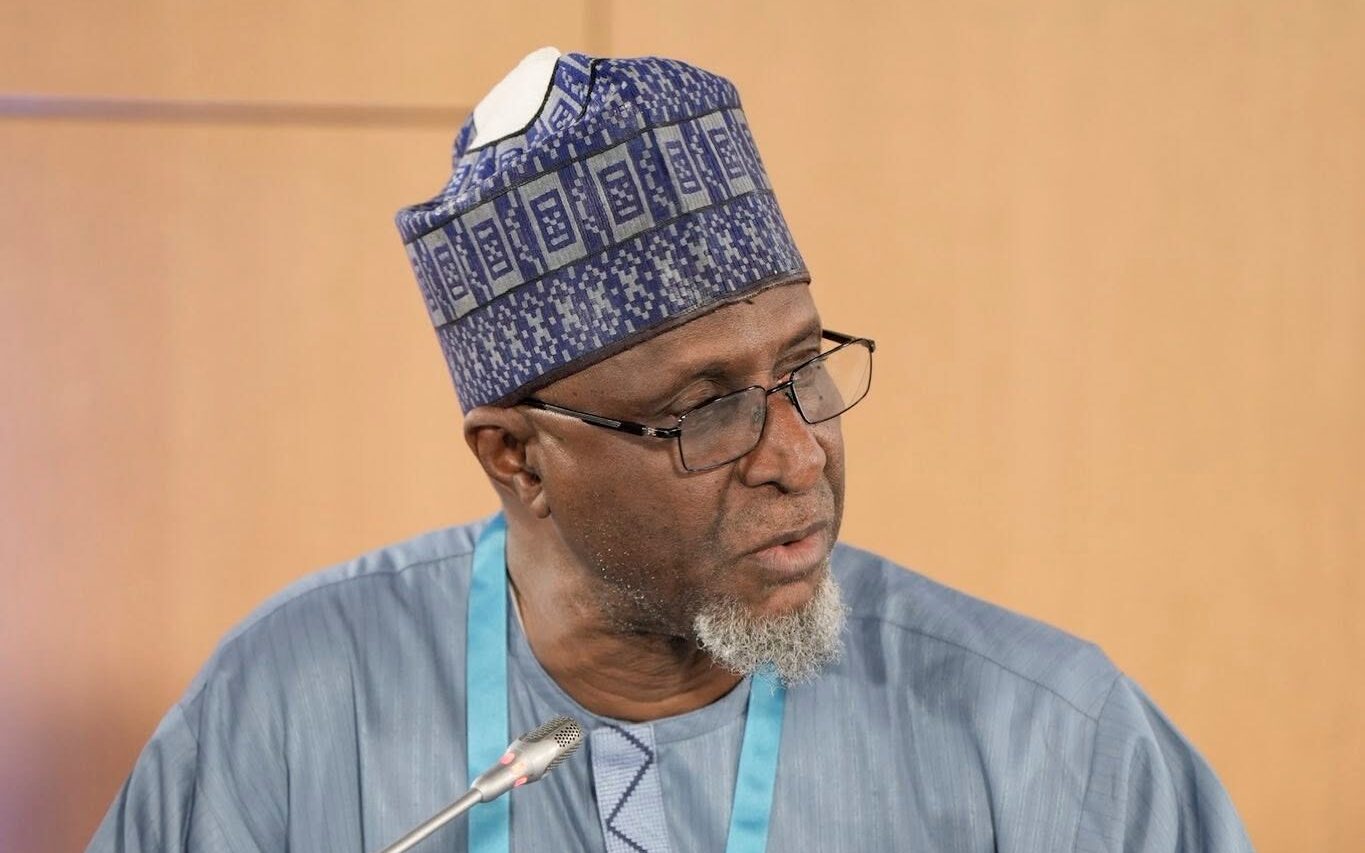
The Minister of Environment, Balarebe Lawal, made this appeal while speaking for Nigeria at the high-level segment of the 17th Conference of the Parties to the Convention on Biological Diversity (CBD COP17) in Yerevan, Armenia.
"Excellencies, as Founding Chair of the Ministerial Alliance for Ambition on Nature Finance, Nigeria continues to champion the mobilization of adequate and predictable resources for biodiversity. We call for the fulfillment of the commitment to mobilize at least US$20 billion annually by 2025 and US$30 billion annually by 2030 for developing countries," Mr. Lawal stated.
He expressed Nigeria's satisfaction in joining the global community to affirm its commitment to protecting biodiversity and ensuring a sustainable future for generations to come.
"Nigeria reaffirms its unwavering commitment to the Kunming, Montreal Global Biodiversity Framework and our shared ambition to halt and reverse biodiversity loss by 2030," he added.
Nigeria’s Biodiversity Goals
In June 2025, Nigeria completed its updated National Biodiversity Strategy and Action Plan (NBSAP) for 2025 to 2030 and sent it to the CBD Secretariat.
This strategy acts as a national guide to stop and reverse biodiversity loss over the next six years.
It aligns Nigeria’s conservation aims with the Kunming, Montreal Global Biodiversity Framework (KMGBF) and sets 23 national targets based on the country's social and environmental needs.
These targets address key sectors like agriculture, forestry, infrastructure, and ecosystem conservation.
The strategy also promotes a whole-of-government and whole-of-society approach. It aims to integrate biodiversity conservation into government policies and development plans while encouraging participation from stakeholders, including Indigenous Peoples and local communities.
It also stresses private sector responsibility and environmental risk management, helping businesses assess and disclose their dependence on nature.
Nigeria has estimated a budget of about $474 million over six years for this implementation, highlighting the need to gather resources to fill long-standing funding gaps.
Turning Promises into Action
Mr. Lawal encouraged governments and delegates to turn their biodiversity promises into real action with proper funding, strong partnerships, and clear outcomes.
He pointed out that Nigeria has been making progress since COP15, including validating its revised NBSAP in June 2025, which has 23 national targets aligned with the global biodiversity framework.
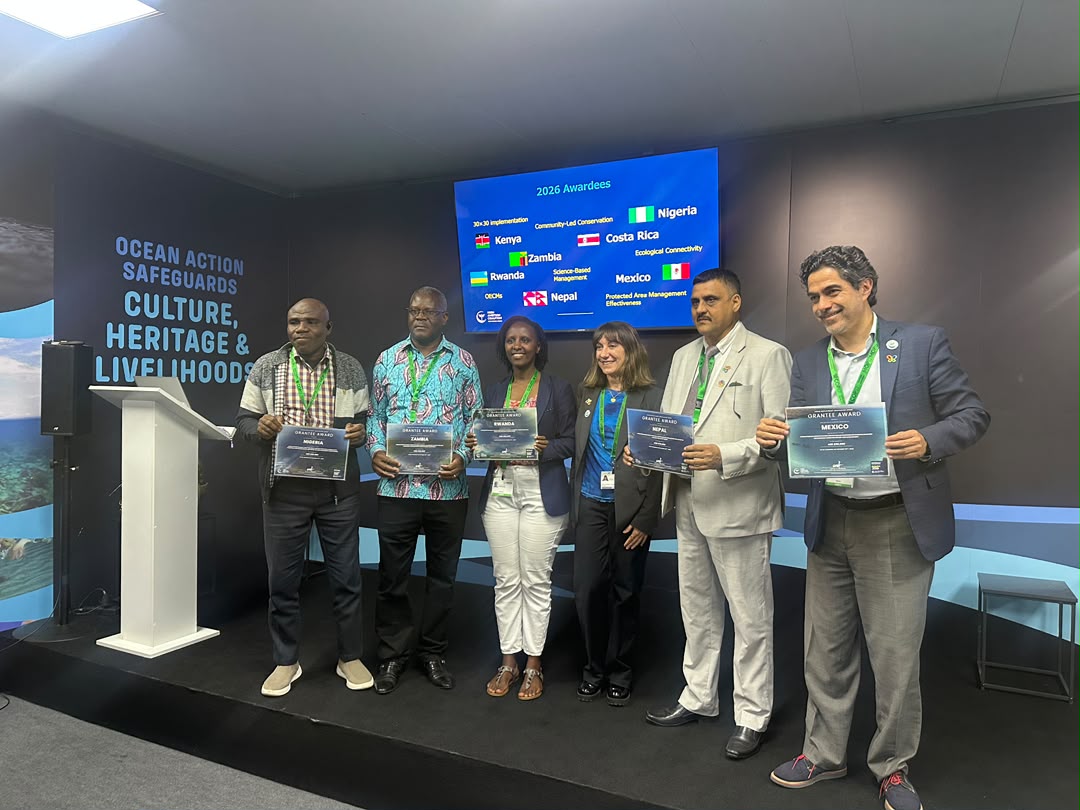
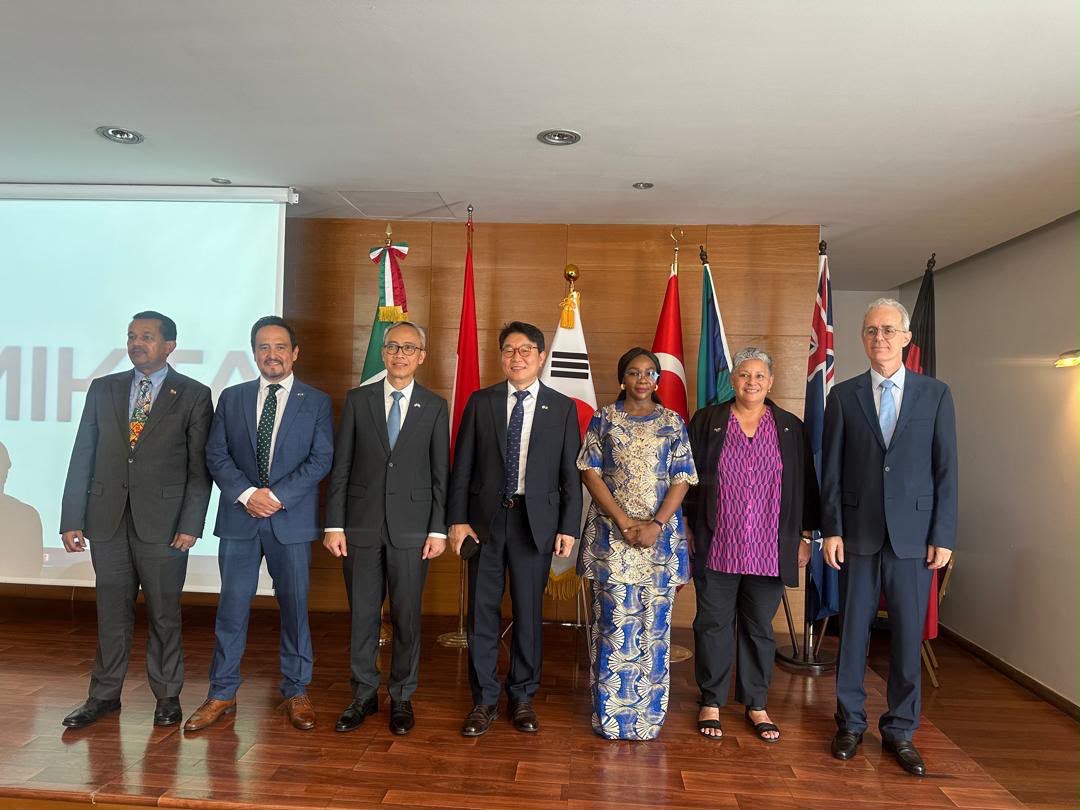

He added that Nigeria had submitted its Seventh National Report to enhance implementation, monitoring, and accountability.
Mr. Lawal emphasized that Nigeria is committed to the global target of conserving at least 30 percent of the world’s land and inland waters, as well as coastal and marine areas, by 2030.
He mentioned that Nigeria is working towards this goal through protected area management, ecosystem restoration, and marine conservation.
"Following the Federal Executive Council’s approval of the ratification of the BBNJ Agreement, we are advancing the necessary processes to strengthen our contribution to the conservation and sustainable use of marine biodiversity beyond national jurisdiction," he said.
The BBNJ Agreement, often called the High Seas Treaty, aims to protect marine biodiversity in areas beyond national control.
Mr. Lawal also highlighted Nigeria's effort to integrate biodiversity conservation, climate action, and land restoration through the Global Environment Facility-supported Net Zero Nature Positive Project.
He stressed that effective biodiversity conservation should be fair and inclusive, noting that Nigeria promotes gender-responsive land governance and aims to ensure women and vulnerable communities actively participate in and benefit from biodiversity efforts.
Nigeria Calls for Stronger Financing Partnerships
Referring to Decision 16/34 from the last biodiversity conference, Mr. Lawal pushed for stronger teamwork between environment and finance ministers. He wants to see biodiversity considerations included in national budgets, fiscal policies, and development plans.
He stated that international financing commitments need to be delivered through predictable, accessible, and extra resources, along with local resource mobilization, private sector investment, and reforms to harmful incentives.
He also pointed out the need for technology transfer, capacity building, and strengthening institutions, especially for developing countries.
Nigeria is advocating for better coordination among the three Rio Conventions on biodiversity, climate change, and desertification to use available resources effectively, avoid duplication, and speed up implementation.
"Mr. President, COP17 must mark a decisive turning point, from commitments to delivery. Our global ambition must be matched by adequate financing, equitable access to the means of implementation, gender-responsive action, and measurable progress," he noted.
Mr. Lawal concluded by saying Nigeria is ready to strengthen international partnerships and work with others to achieve the shared biodiversity goals for 2030 and ensure a nature-positive future for everyone.

Drop your comment
No comments yet — be the first to drop the gist 👇