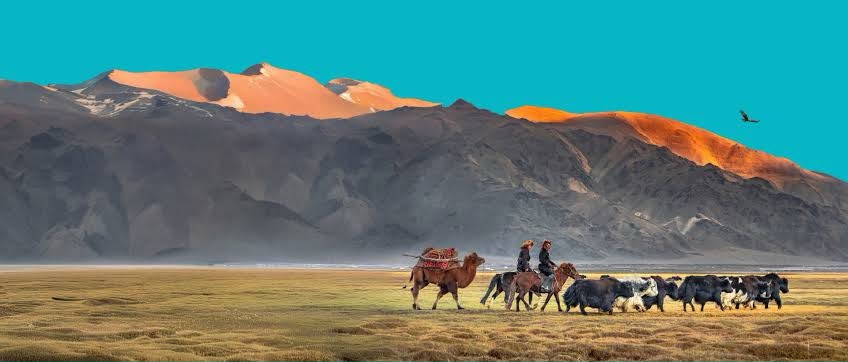
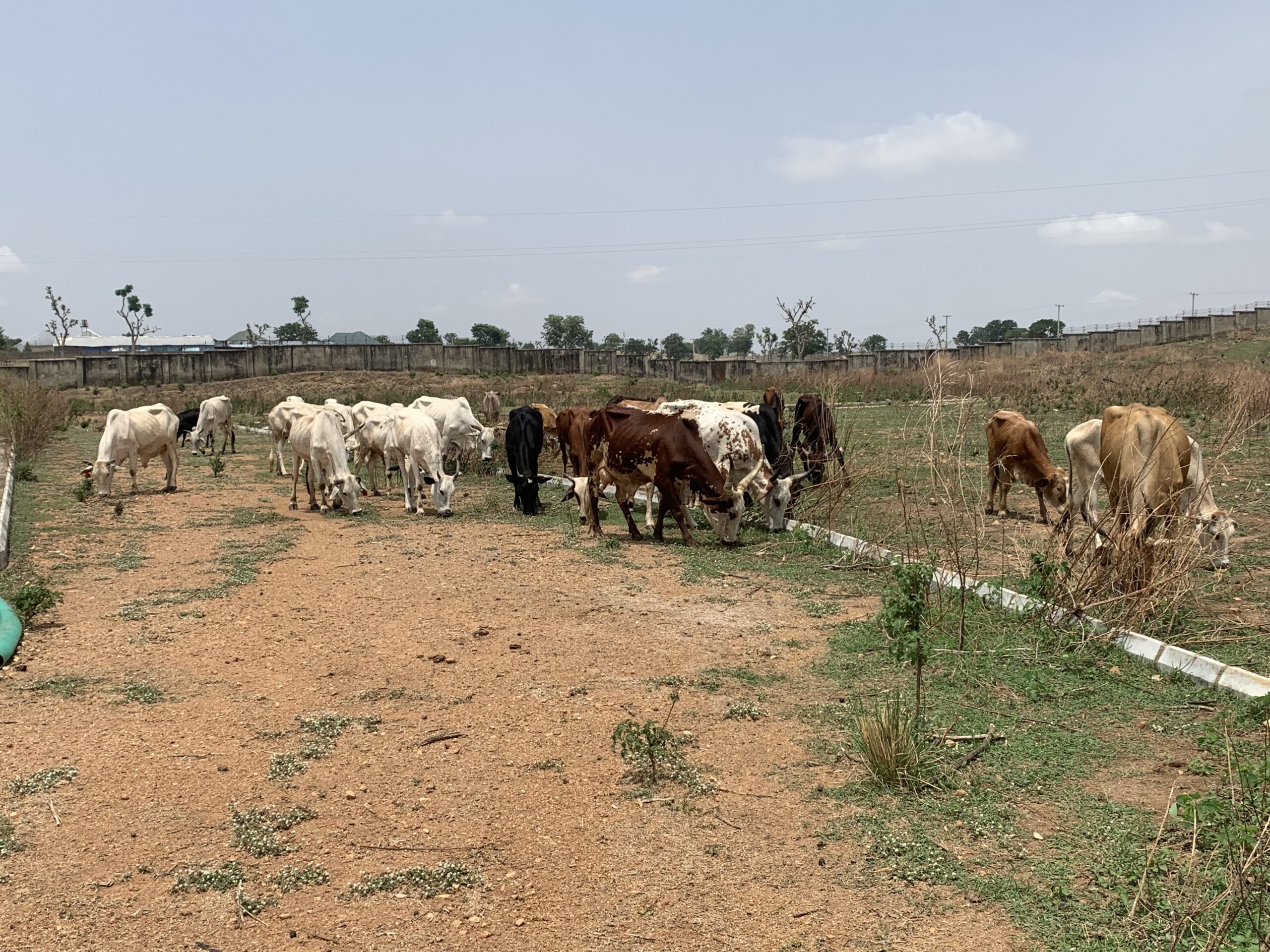
In early August, a group of cattle led by herders entered a soybean farm in the Pampo community, Kataeregi District, Katcha Local Government Area of Niger State. This led to a heated argument between the farmers and the herders.
The situation quickly escalated into a clash, leaving at least four farmers injured while trying to stop the cattle from grazing on their fields. This incident is part of a long-standing pattern of conflict between farmers and herders that has impacted farming communities across Nigeria.
These repeated clashes have led to devastation, loss of lives, and disruption of agricultural activities. In the past ten years, conflicts between farmers and herders in Nigeria have caused thousands of deaths, widespread displacement, and major economic losses, especially in the Middle Belt and North-central regions.
Reports from groups like Amnesty International and the Nigerian Security Tracker show thousands of deaths due to these conflicts. Some previous reports noted a spike in violence that led to over 3,600 deaths in one multi-year period, and around 3,000 deaths across North-central states during a later five-year period.
What is behind the conflict?
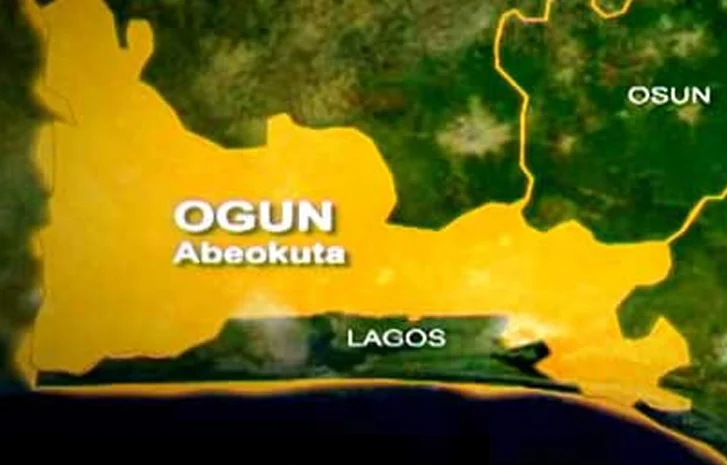
The main issue driving the conflict is the growing competition for limited land and resources. Nigeria has about 417 grazing reserves covering around 4.5 million hectares, mainly in the Northern region and parts of the South West (Oyo and Ogun states). Out of these, 273 have been officially recognized. Over the years, the routes and rangelands have become less usable due to pressures from population growth, urbanization, and the Land Use Act of 1978.
Extreme weather events like desertification, droughts, and pasture degradation have also reduced grazing land in northern Nigeria and parts of the Sahel. As herders look for water and pasture, they often cross paths with farmers who depend on their cultivated lands.
The rise of small arms has turned what might have been simple disputes over land and crops into deadly fights. In some regions, criminal groups and armed gangs have worsened the situation by taking advantage of existing tensions. Experts say the crisis is not just a security issue; the declining condition of Nigeria's rangelands and grazing routes is a key part of the problem.
As COP17 approaches, Nigeria's rangelands face increasing pressure from desertification, climate change, and competing land-use demands. This degradation threatens pastoral livelihoods, puts more strain on farmland, and endangers biodiversity across northern Nigeria and the wider Sahel region.
Rangeland degradation and biodiversity
In an interview with PREMIUM TIMES, Naziru Zakari, a wildlife conservation expert from Bauchi, said rangelands are vital for both pastoralism and biodiversity. "I am speaking from the perspective of wildlife conservation and management as a conservation biologist. Rangelands are extremely important for biodiversity because many wildlife species find refuge and survive there," he said.
Mr Zakari added that rangelands also provide homes for rare and endangered species that might not be found in protected areas. "This highlights the importance of managing rangelands effectively, as it impacts biodiversity conservation," he noted.
He pointed out that human activities like farming and infrastructure development have greatly harmed and encroached on rangelands and grazing routes in Nigeria. He criticized government management of these areas, saying poor handling has led to their decline.
"This has resulted in the degradation of grazing routes and rangelands, forcing nomadic herders to invade government-protected wildlife areas and private lands to feed their animals, sometimes even settling there if they find it suitable," he explained. Mr Zakari believes this competition for land and pasture fuels ongoing clashes between farmers and herders.
Government turns to ranching
To tackle this issue, the federal government has been promoting ranching as a solution to the ongoing farmer-herder crisis. The government started the National Ranching Policy framework after establishing the Federal Ministry of Livestock Development in July 2024.
The rollout has been gradual. Last September, the government introduced a broader operational framework called the five-year National Livestock Master Plan. In February, Minister of Livestock Development, Idi Maiha, fast-tracked the implementation of the ranching policy.
This month, the minister announced that the pilot project involving six states has officially started, beginning with the Wase Grazing Reserve proof-of-concept. The aim is to create a more organized system for livestock production and reduce cattle movement through farming areas, which leads to conflicts.
But some experts believe ranching alone won't solve the larger environmental crisis unless the degradation of rangelands and grazing reserves is also addressed.


Nigeria heads to COP17
As Nigeria faces this rangeland crisis, the country will join others at the 17th Conference of the Parties to the United Nations Convention to Combat Desertification (UNCCD COP17) in Ulaanbaatar, Mongolia, from August 17 to 28. The theme for this conference is "Restoring Land. Restoring Hope."
The United Nations expects delegates from 197 Parties, including government, business, civil society leaders, scientists, youth, Indigenous Peoples, pastoralists, and smallholder farmers, to attend. They will discuss solutions to problems like desertification, land degradation, and drought, focusing on how restoring land can help reduce instability and strengthen security in vulnerable areas.
At least 60 delegates from Nigeria are expected to take part in the conference. "Land is our most vital infrastructure, underpinning food security, water, livelihoods and stability. When land fails, insecurity rises, through lost livelihoods, forced displacement and increased competition over scarce resources," said UNCCD Executive Secretary Yasmine Fouad.
She emphasized the need for practical solutions as drought worsens and land degradation accelerates, suggesting restoring degraded land and improving the connection between land and water.
Nigeria’s worsening land degradation
Data from the UNCCD Data Dashboard shows that about 11.96 percent of Africa's total land area is degraded. For Nigeria, this figure is roughly 23.41 percent, which is around 21.07 million hectares of the country's total land area.
The degradation of rangelands is particularly alarming because it affects pastoral livelihoods, agriculture, biodiversity, and food security. Nigerian authorities report that more than 50 percent of the country's rangelands and grazing routes have been damaged.
This deterioration has increased pressure on the remaining pasture and water resources, leading to more competition between pastoralists and farmers and worsening conflicts that have lasted for decades.
Insecurity and funding undermine restoration efforts
Government agencies tasked with tackling desertification and land degradation face significant challenges. Etim William, Director of the Desertification, Land Degradation and Drought Management Department of the Federal Ministry of Environment, pointed out that insecurity is a major obstacle.
"The challenges we face are enormous. One of the greatest is insecurity. These areas are affected by banditry, terrorism, and kidnapping, making some regions inaccessible due to security risks," Mr William said.
He added that insecurity can prevent officials from reaching areas where they need to implement restoration projects. "Sometimes we cannot go to those areas," he said.
Even in areas officials can access, vandalism and livestock incursions create extra problems. "In areas we can reach, after establishing plantations, we sometimes find people coming to vandalize the projects. They steal solar pumps and solar panels and break the fences," he explained. The government usually protects its plantations with wire fencing, but cattle sometimes get in and destroy seedlings.
Funding challenges
Funding is another major issue. Mr William said agencies working on desertification and land degradation have to compete for limited public resources. "The government has many issues to handle, and various sectors require funding. What we receive is just a fraction, so we have to work with very limited funds," he stated.
With COP17 bringing global focus on restoring degraded land, Nigeria must find ways to turn international promises into real actions at home. For farmers, pastoralists, and communities already suffering from poor land conditions, the stakes could not be higher. Without effective restoration of rangelands, better management of grazing routes, improved security, and sustainable livestock systems, competition for increasingly scarce land and water resources will likely continue.



Drop your comment
No comments yet — be the first to drop the gist 👇