The Nigerian government was noticeably absent at the closing session of the United Nations climate summit (COP31) in Türkiye. This meeting was marked by countries showing their frustration over not reaching an agreement on important climate issues.
Earlier reports noted that the talks in Türkiye did not lead to consensus due to major disagreements on issues like phasing out fossil fuels, climate financing, and a fair transition to greener solutions.
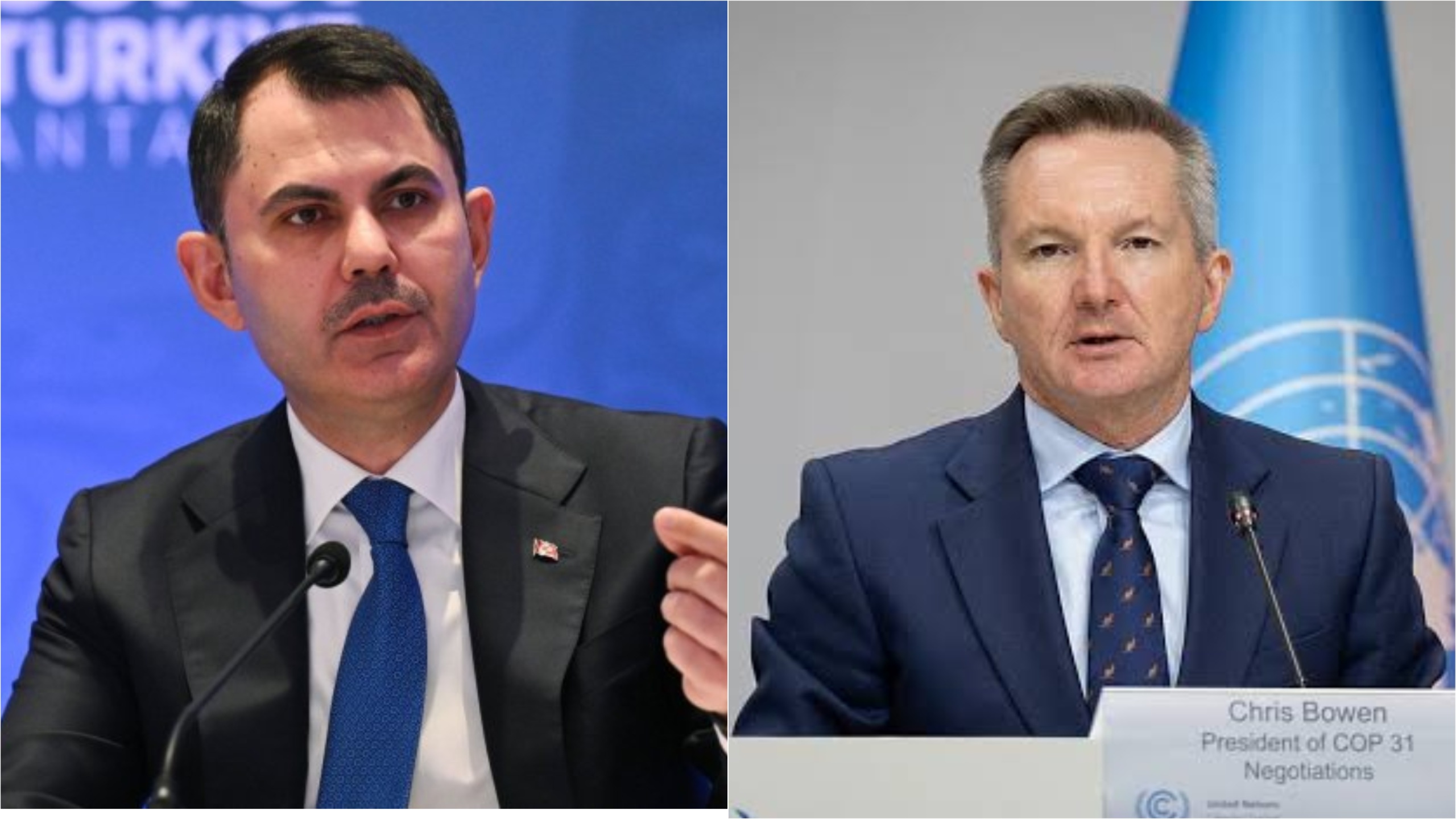
COP31 President Murat Kurum announced during the closing session on Sunday that the final draft agreement, known as the Antalya Pact, would not be approved. This was despite discussions being extended for nearly 48 hours past the official end date of 20 November.
This situation made COP31 the longest climate summit in the history of the convention. It has also drawn significant criticism in recent years.
During the closing session, various parties and negotiating groups shared their views with the COP president. The disappointment with the results of the over two weeks of discussions was clear in the voices of those who spoke at the plenary.
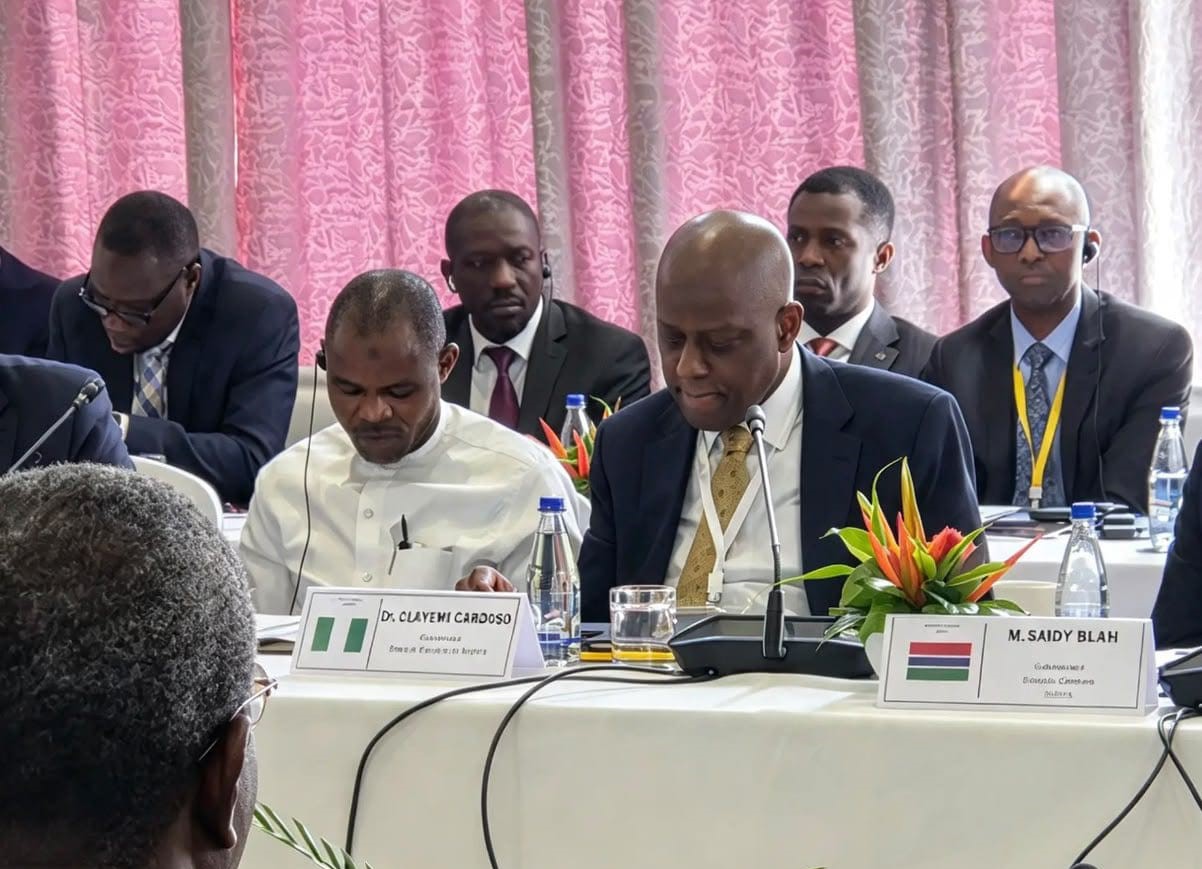
Despite this, Nigeria's head of delegation, ministers, and other representatives were not present. A few African countries did speak, although Nigeria had one of the largest delegations at this year's COP.
Nigeria ranked third in attendance, with 1,506 delegates, according to provisional figures from the summit. Of these, 573 participants had the “Party” badge, while 933 received “Party Overflow” badges.
Usually, Nigeria's delegation to UNFCCC COP31 is led by Teniola Majekodunmi, the Director-General of the Nigeria Climate Change Council (NCCC). This year, it is unclear how many participants were funded by the Nigerian government. The council has not provided a detailed list of those whose trips were paid for with public funds.
Sources at the conference revealed that Teniola Majekodunmi had left the venue by midweek. This lack of clarity raises questions about transparency and accountability regarding Nigeria’s role in international climate talks.
It also makes it hard for the public to know who represents Nigeria in different negotiation groups and technical meetings. This uncertainty can affect Nigeria’s ability to push for its interests on critical climate issues.
Some observers worry that Nigeria's involvement in these conferences sometimes leans more towards travel rather than serious negotiations. They point out that some participants may lack the technical skills and negotiation experience needed. This can hurt Nigeria's chances of achieving favorable results at these climate talks.

One significant moment for Nigeria at the summit was when Environment Minister Balarabe Lawal delivered the national statement. The government said it remains committed to climate action and called for stronger international support and more climate financing.
After the plenary ended on Sunday, Teniola Majekodunmi expressed disappointment at COP31’s failure to reach a major political agreement. She highlighted the ongoing challenges in international climate cooperation.
She added that not having a new political deal does not lessen the need for climate action or change the commitments made under the Paris Agreement. "For Nigeria, our focus remains firmly on implementation. We will continue advancing our NDC 3.0, strengthening climate governance, mobilising investment, and pursuing an orderly, just and nationally determined energy transition," she said.
Majekodunmi noted that discussions in Antalya underscored an important lesson: climate ambitions need to be backed by solid financing, clear implementation plans, and acknowledgment of different national situations.
She stated that Nigeria is committed to working with African partners and the global community to reach agreements and boost climate action.
"Ultimately, Nigeria’s climate progress will be measured not only by emissions reduced, but by jobs created, businesses developed, energy access expanded, and livelihoods improved," she said.
On Sunday, PREMIUM TIMES reached out to the DG for reasons behind her absence from the closing plenary and why there was no Nigerian representative speaking at the session. As usual, she asked someone else to respond.
A representative named Jummai Vandu said she was instructed to clarify Nigeria’s position at the COP31 closing plenary. She stated that Nigeria's national position was presented through the African Group of Negotiators (AGN), which acts as Africa's united voice in negotiations.
She explained that while countries can speak in their own capacity, it is optional. In practice, member states often align with the AGN. "Chair’s statement during overtime closing sessions helps manage time constraints and promotes a unified front on key issues. Those African nations that spoke individually chose to add specific national points to the shared regional position already presented by the AGN," she said.
Vandu also mentioned that the DG was actively promoting Nigeria’s priorities during high-level sessions and bilateral meetings, making sure Nigeria's interests were included in the final African position. However, she did not address why the DG left the conference early.
Drop your comment
No comments yet — be the first to drop the gist 👇