Nigeria has the third-largest national delegation at the ongoing COP31 climate summit in Antalya, Türkiye, with 1,506 participants. Provisional figures suggest this conference could become the largest gathering in the history of the United Nations climate talks.
An analysis by Carbon Brief of provisional registration lists from the United Nations Framework Convention on Climate Change (UNFCCC) shows that Nigeria is behind the host country Türkiye, which has 2,950 delegates, and Brazil, with 1,994.
China follows with 1,021 participants, and Indonesia has 978. These five countries have the largest delegations at the summit.
Nigeria's figures place it ahead of major economies like Australia, Italy, Japan, and France.
Nigeria's Delegation Breakdown
The makeup of Nigeria’s delegation shows more about its representation. Out of the 1,506 Nigerian participants, 573 are registered as party delegates. The remaining 933 are overflow participants. These are extra nominees from countries and other groups who are not listed individually on the official delegation registers.
A Record-Setting Summit
The provisional figures indicate total in-person participation is 92,934, surpassing the previous record set at COP28 in Dubai, which had over 80,000 participants.
COP31 could become the largest climate conference since negotiations started in Berlin in 1995. The final attendance numbers will be published by the UNFCCC after the summit, based on participants who collect physical badges at the venue.
More than 3,300 extra participants have also signed up to attend virtually. This brings the total registrations to over 95,000.
An interesting point about this summit is the number of people registered as guests of the host country. Carbon Brief found 14,285 participants in this category. This is much higher than the 1,324 recorded at COP30 in Brazil, 1,651 at COP29 in Azerbaijan, and 4,202 at COP28 in the United Arab Emirates.
Representation at the Summit
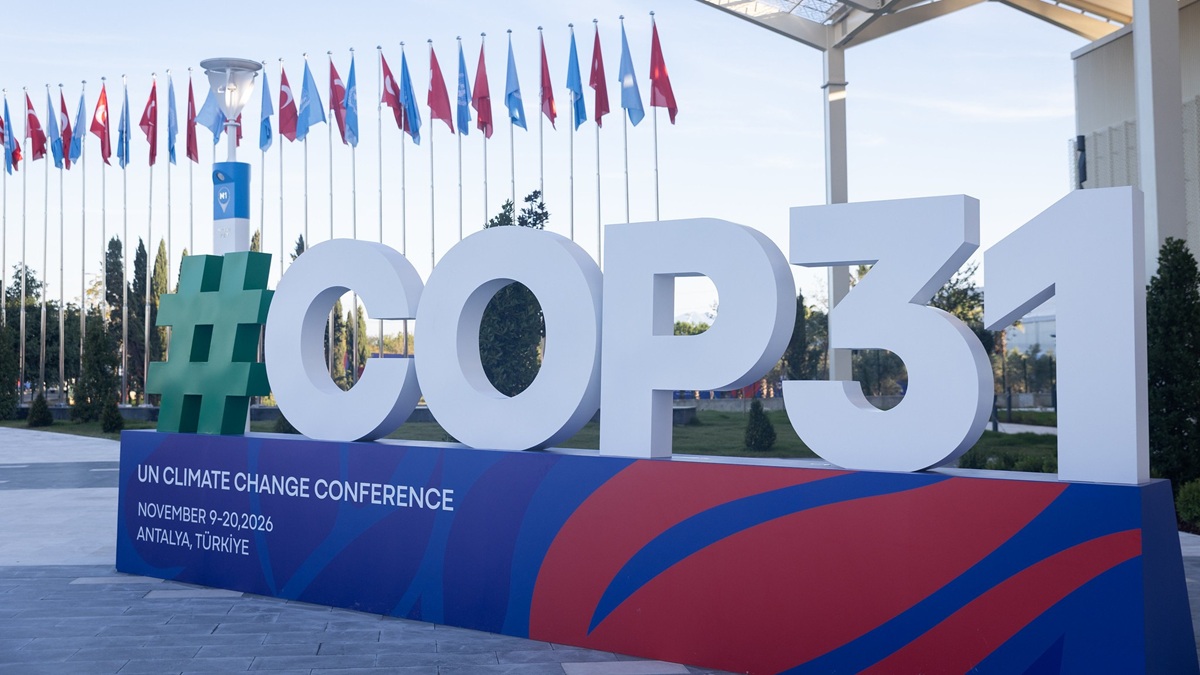
National delegations are not the only groups shaping the summit. The provisional register also lists 13,388 observers and 3,645 media representatives.
More than 12,000 of the observers come from non-governmental organisations, including environmental advocacy groups and industry lobby groups. Their presence shows a wide range of interests trying to influence discussions on climate finance, energy transition, and adaptation at the summit.
The registration figures raise questions about representation within national delegations. An assessment of party delegates by titles from the UNFCCC shows that 59 percent are men and 41 percent are women.
While this shows some improvement in gender representation compared to earlier climate conferences, men still make up a larger share of national negotiating teams.
Climate Finance and Fossil Fuels
Aside from the record attendance, COP31 is happening at a time when there is increasing pressure on governments to turn past climate promises into real action. This is especially true for climate finance, dependence on fossil fuels, and the move to cleaner energy.
PREMIUM TIMES has reported on calls from United Nations Secretary-General António Guterres. He wants developed countries and international financial institutions to mobilise at least $1.3 trillion each year for developing countries by 2035. He also urged faster emissions reductions and a quicker shift away from fossil fuels. He warned that industry interests are blocking climate action.
The discussions have also revealed disagreements over the wording around fossil fuels. The Health of Mother Earth Foundation (HOMEF) raised concerns about efforts by some fossil fuel-producing countries to weaken commitments to end fossil fuel production.
Climate and public health are also key topics at the conference. Global health and climate funders have announced over $375 million to tackle climate-related health issues.
As the summit enters high-level discussions, focus will likely shift to climate finance delivery, adaptation funding, renewable energy growth, electrification, and support for vulnerable countries.
The two-day World Leaders Climate Action Summit on 11 and 12 November will give heads of state a chance to share their countries’ climate priorities. Future talks will also cover green industrial development, climate-resilient cities, clean cooking, and other measures to speed up implementation.

Drop your comment
No comments yet — be the first to drop the gist 👇