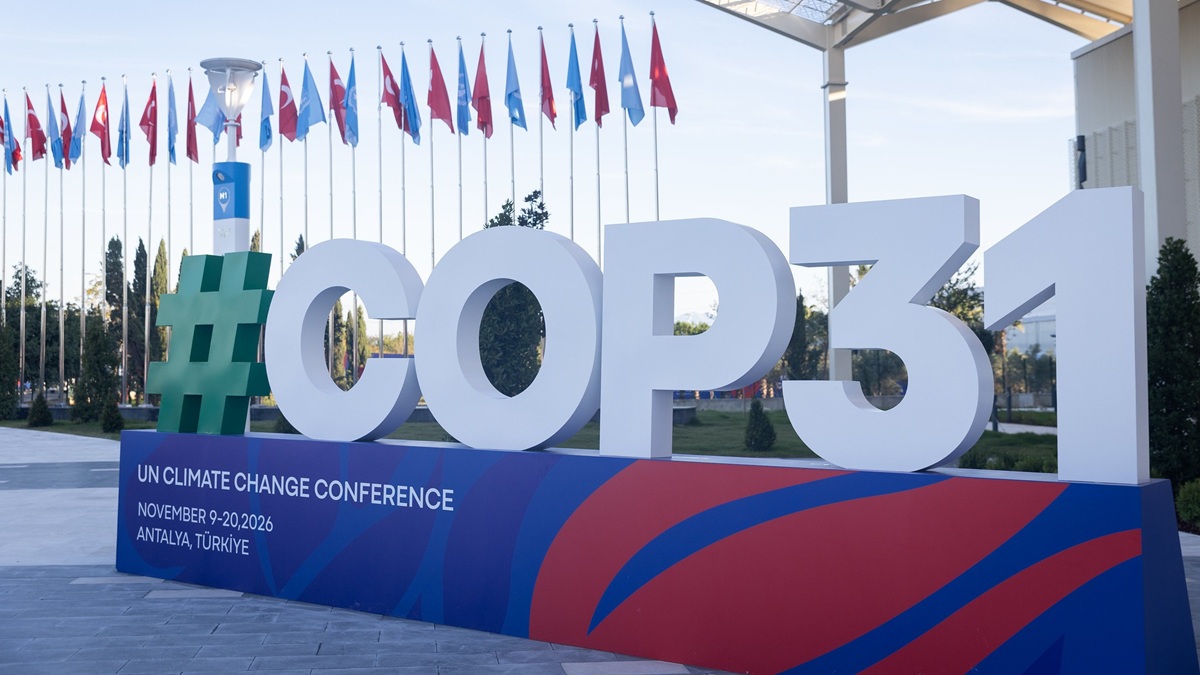
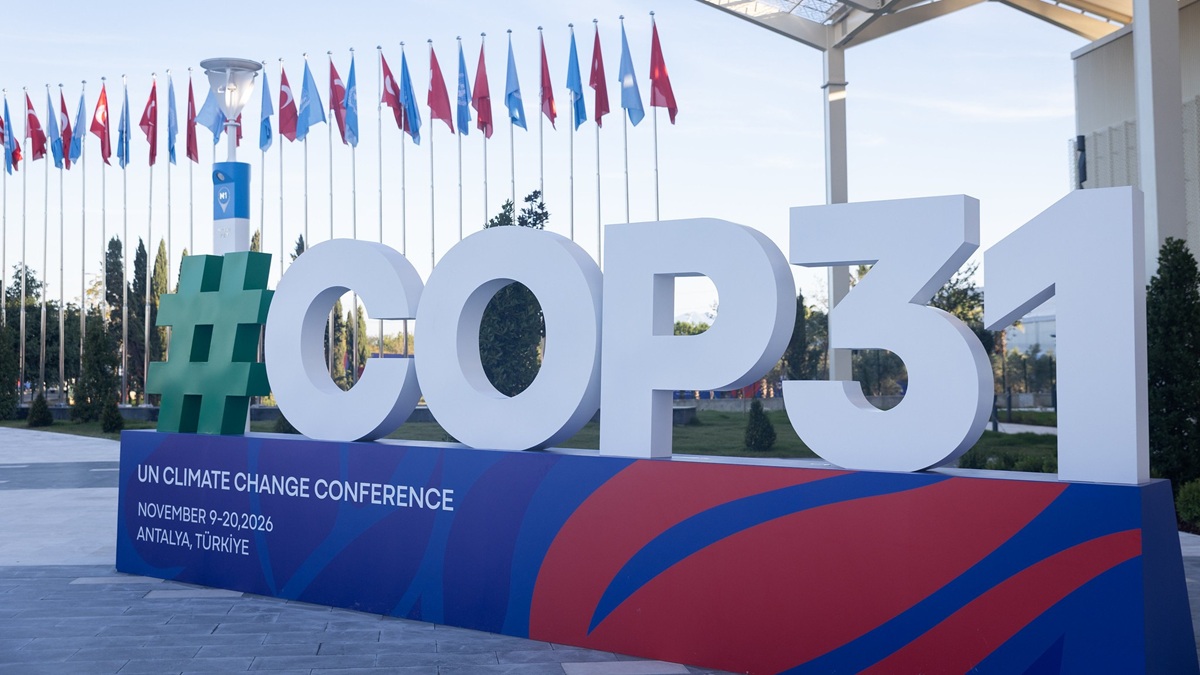
World leaders, government reps, delegates, civil society groups, researchers, and scientists are gathering in Antalya, Türkiye, for the 31st session of the United Nations Climate Change Conference of the Parties (COP31). The meeting runs from 9 to 20 November. There are growing calls for countries to turn their climate promises into real actions.
The conference will focus on speeding up climate pledges. This includes efforts to keep global warming below 1.5°C compared to pre-industrial levels, as set out in the Paris Agreement.
This summit has a unique leadership setup. Türkiye is hosting while Australia is leading the talks. The conference slogan is "Where Dialogue Becomes Global Action." This shows the aim to shift from climate promises to actual action.
The African Group of Negotiators (AGN), which includes Nigeria, will urge developed countries to meet their climate finance commitments under the Paris Agreement.
The AGN is also advocating for more support for developing countries. This is to help them carry out their climate commitments, boost resilience, and deal with the growing impact of climate change.
Reports from the UN Climate Change secretariat show that countries are starting to adopt broader approaches to climate policymaking. But the reports also warn that overall progress is still not enough. There are ongoing barriers to speeding up climate action and fulfilling national targets and pledges.
These reports include the 2026 Nationally Determined Contributions (NDC) Synthesis Report, the Biennial Transparency Report (BTR) Synthesis Report, and the National Adaptation Plans (NAPs) Progress Report. Together, they assess how well countries are implementing their climate commitments, tracking emissions cuts, and gathering the resources needed for climate action.
COP31 aims to provide an important chance for countries to discuss practical measures to address these gaps in implementation.
In addition to formal talks, the Global Climate Action Agenda will create chances to improve electrification, enhance access to climate finance, and reduce waste and emissions from harmful pollutants like methane.
Calls for Action
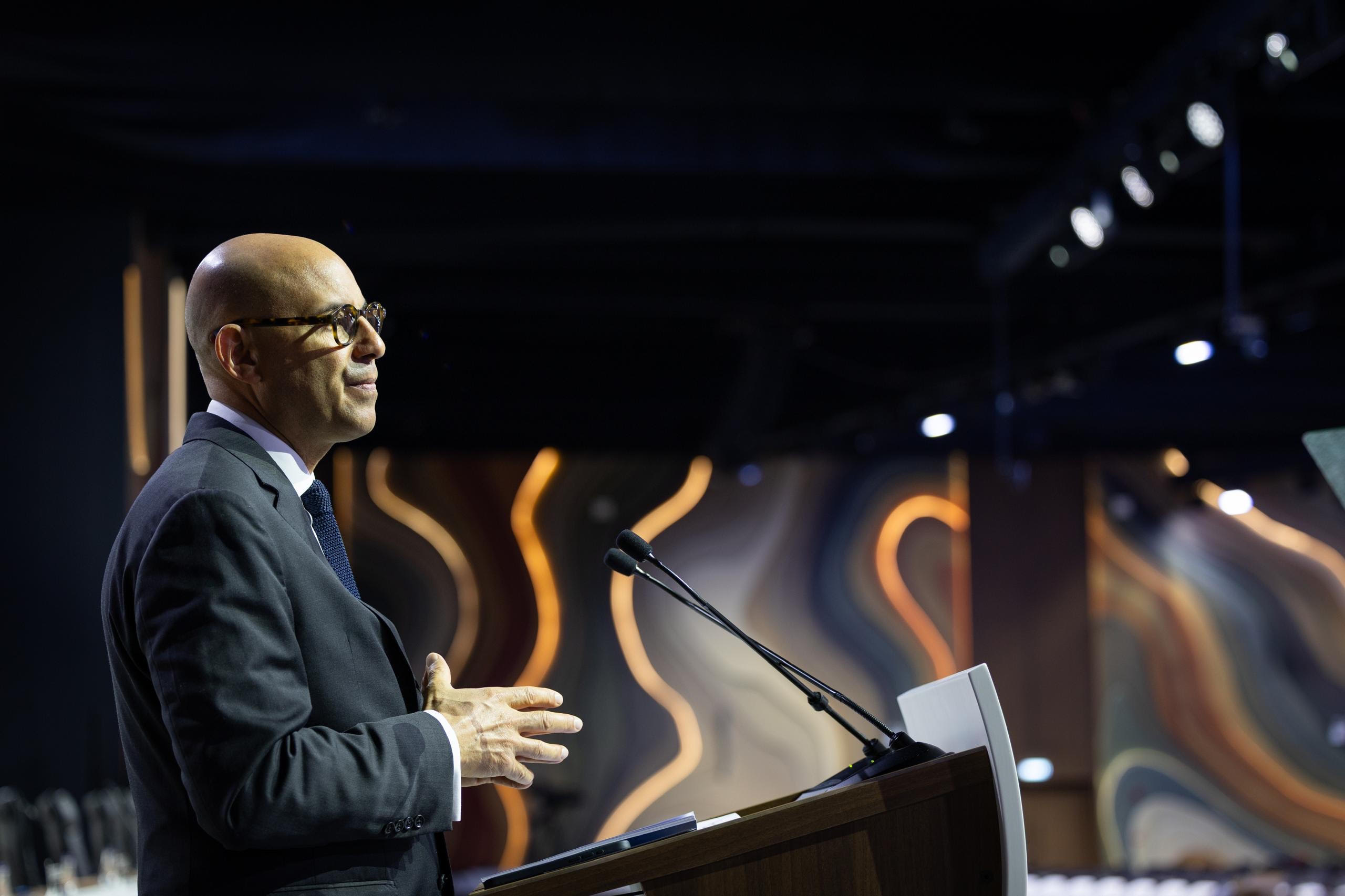
Before the conference, Simon Stiell, the UN Climate Change executive secretary, shared that the reports show more governments are weaving climate action into their economic plans.
"These reports show more governments are taking climate action right across their economies, to bank the vast benefits of clean energy and climate resilience," he said.
Stiell pointed out that climate action is being seen as a way to boost economic growth, create jobs, and ensure affordable and secure energy.
But he also cautioned that global progress is too slow to meet the Paris Agreement goals.
"This year’s reports demonstrate again that collective progress remains clearly insufficient, that global transitions are very uneven, and that many countries face substantial barriers to delivering their targets and pledges," he said.
He noted that COP31 could help narrow some gaps through strong outcomes on mitigation, adaptation, climate finance, and just transitions.
Stiell also stressed the importance of speeding up electrification, cutting methane emissions, and pushing forward zero-waste initiatives.
"By building the support, agreements, and partnerships needed to help convert more pledges into real-world results, COP31 can also bring the vast benefits of climate resilience and cheap, secure clean energy to more people around the world," he added.
2026 NDC Synthesis Report
The United Nations shared that the 2026 Nationally Determined Contributions Synthesis Report looks at how countries are turning their Paris Agreement commitments into real policies and actions while pointing out challenges.
From January 1, 2024, to August 31, 2026, the UN noted it recorded 127 new NDCs from 154 Parties to the Paris Agreement. These cover about 70 percent of global greenhouse gas emissions.
The report shows that the latest NDCs are broader, including various parts of the Paris Agreement like mitigation, adaptation, climate finance, and technology transfer.
It highlights the growing role of local governments, civil society groups, and the private sector in planning and monitoring climate action.
The report noted that 98 percent of Parties engaged different stakeholders in implementing their NDCs, up from 70 percent in previous reports.
Ninety percent of Parties considered the outcomes of the first global stocktake in preparing their latest NDCs. Sixty-five percent acknowledged the role of clean energy in energy security.
Despite these strides, projected emissions cuts are still far below what science says is needed to achieve the Paris Agreement’s temperature goals.
Current pledges are expected to cut global emissions by about six percent by 2035 compared to 2019 levels, and even with full implementation of all current pledges, emissions could only drop by around nine percent by 2035. This highlights the need for stronger international cooperation, financial backing, and coordinated action from governments and businesses.
2026 National Adaptation Plan Progress Report
The 2026 National Adaptation Plan Progress Report marks a shift in focus from just creating national adaptation plans to looking at how well they are being put into action.
As of October 20, 146 countries have started or launched the National Adaptation Plan process.
Eighty-one developing countries, including 29 least developed countries and 17 small island developing states, submitted their national adaptation plans. But big challenges remain, especially in accessing finance.
The report points out the gap between countries making adaptation strategies and their ability to turn those plans into real actions.
It highlights difficulties in preparing project proposals, getting approvals, and ensuring that funding reaches the countries and communities that need it most.
It also mentions the challenges of having enough accredited entities and moving funding proposals through approval processes.
Approval does not always mean access to money, as long processing times and delays keep countries from implementing approved projects.
The findings are expected to strengthen demands from developing countries for easier access to adaptation finance and more reliable funding to handle growing climate challenges.
2026 Biennial Transparency Report Synthesis Report
The 2026 Biennial Transparency Report Synthesis Report examines how well countries have implemented their NDCs during the first round of BTRs from 2020 to 2022.
It shows that climate policymaking is increasingly a part of national development strategies, with policies covering wider parts of the economy and involving different societal groups.
Eighty percent of Parties reported involving non-Party stakeholders in climate action, while 92 percent linked their climate policies to Sustainable Development Goals.
Since last year’s BTR Synthesis Report, over 30 new reports have been submitted, bringing the total to 137 Parties. These reports cover about 85 percent of global emissions.
Between 2020 and 2022, 61 Parties, making up around 66 percent of global emissions in 2020, moved closer to their NDC targets. The latest report also shows that adaptation is becoming more important in countries’ climate reports.
Although reporting on adaptation is not required, 92 percent of Parties included an adaptation part in their BTRs. The findings show the growing need for transparency and accountability in tracking countries’ climate commitments.
Climate Finance: Ongoing Funding Issues
Climate finance is expected to be a major issue at COP31 as developing countries seek more financial support from wealthier nations to combat climate change.
Two new reports from the Standing Committee on Finance (SCF) look into how well climate finance is being mobilised and the challenges in ensuring that funding reaches developing countries.
The Third Report on Progress Towards Achieving the $100 Billion Goal checks how developed nations are living up to their promise to provide $100 billion yearly to help developing nations with their climate action.
The report found that climate finance from developed countries to developing countries increased between 2020 and 2024.
One source claimed that the $100 billion annual target was met in 2022, 2023, and 2024. However, the report points out differences in measuring progress and ongoing challenges regarding access and affordability.
The Seventh Biennial Assessment and Overview of Climate Finance Flows also evaluates public and private climate finance flows from developed to developing countries.
It shows that global climate finance jumped by 32 percent, averaging $1.9 trillion in 2023 and 2024. Despite this growth, there are still large gaps in investment distribution, making it hard for developing countries to access funds.
The assessment calls for more investment and better access to funding. It also emphasizes aligning climate finance with countries’ priorities and the Paris Agreement goals.
These findings are likely to boost demands at COP31 for developed countries to meet their financial commitments and ensure climate funding is easy to access and reliable.
Key Issues for COP31 Negotiations
Several key issues are expected to influence negotiations and discussions at COP31.
Managing 1.5°C Overshoot
The 1.5°C temperature limit is central to global climate talks as warming approaches this mark set in the Paris Agreement. With the world possibly exceeding this limit temporarily, talks will likely focus on how countries can step up their efforts to reduce emissions and minimize the duration and scale of any temperature overshoot.
This will need stronger national climate commitments and faster transitions to cleaner energy sources.
Expanding Electrification
The conference is also set to focus on increasing electricity access, strengthening clean energy systems, and reducing reliance on fossil fuels. A proposed goal is to meet 35 percent of global energy demand through electricity by 2035. These discussions will be part of the presidency’s implementation agenda.
The emphasis will be on moving from high-level commitments to practical steps for clean power generation and improved energy efficiency.
Climate Finance and Access
Climate finance will continue to be a hot topic between developed and developing countries. Developing nations stress that financial promises must become actual funding instead of relying on uncertain private sector investments.
They want simpler procedures for accessing concessional finance, especially for projects addressing climate impacts.
Adaptation and Loss
As climate disasters grow, developing countries will likely demand more adaptation finance and stronger support for vulnerable communities. They will call for adaptation finance to reach at least $120 billion yearly by 2035 and for help with funding needs for countries facing climate-related losses.
For African nations facing significant climate impacts but contributing little to global emissions, access to reliable adaptation funding is crucial. Discussions will focus on turning adaptation plans into projects that protect livelihoods and improve infrastructure.
In the end, the success of COP31 will depend on the agreements made and the ability of countries to tackle ongoing issues in finance, implementation, and accountability that hinder global climate efforts.

Drop your comment
No comments yet — be the first to drop the gist 👇