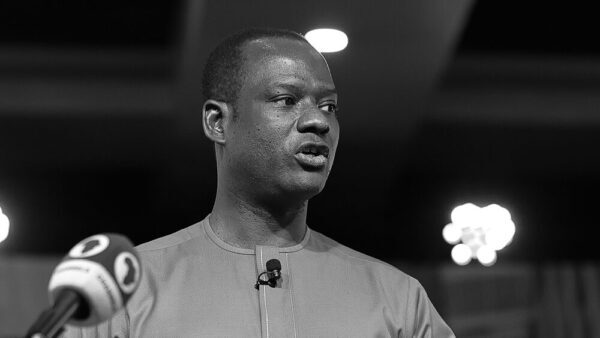
The Minister of Finance and Coordinating Minister of the Economy, Taiwo Oyedele, said Nigeria needs to improve its production capacity and competitiveness to benefit from the African Continental Free Trade Area (AfCFTA).
Mr Oyedele pointed out that just having access to the continental market will not bring economic benefits if Nigeria cannot produce quality goods, meet orders, and keep customers.
“Market access creates an opportunity. Our competitiveness will determine how much of it we convert into prosperity,” he said.
He spoke at a forum organized by the Nigerian Export-Import Bank (NEXIM) in Abuja. The theme was “Leveraging the African Continental Free Trade Area (AfCFTA) for Enhanced Nigerian Export Competitiveness and Economic Diversification.”
The minister explained that the government’s economic reforms include removing the petrol subsidy, changing foreign exchange policies, and updating the tax system. These changes aim to help Nigeria move away from relying on a few commodities and towards a more diverse, production-focused economy.
According to him, increasing exports will bring in foreign currency and create jobs in different sectors like agriculture, manufacturing, transportation, and professional services.
He gave an example of an agricultural processor reaching a new market, which could create more demand for farmers. He also mentioned that Nigerian tech and service businesses expanding abroad could provide more opportunities for young people.
Mr Oyedele described AfCFTA as a key platform for Nigerian businesses to grow in various African markets. This includes sectors like technology, manufacturing, agricultural processing, solid minerals, creative industries, and services.
But he stressed that businesses need more than just market access to succeed. Their ability to meet buyers’ specifications and deliver products consistently will decide their competitiveness.
“The promise becomes real only when a Nigerian business secures a customer, fulfills an order, gets paid and wins a repeat order,” he said.
He argued that processing agricultural products into finished goods instead of just exporting raw materials could create more economic value and opportunities along the production chain.


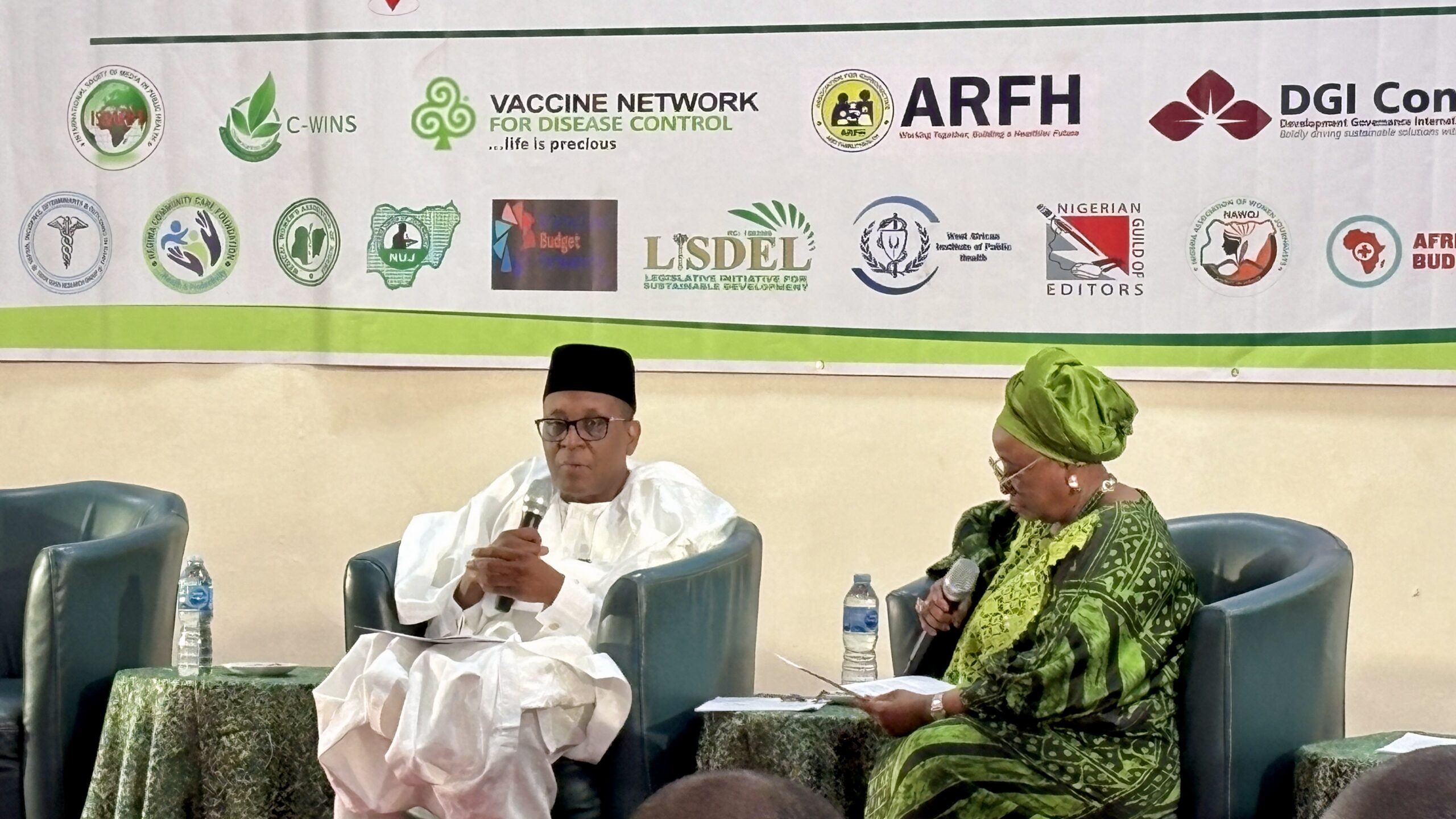
The minister noted several challenges facing Nigerian exporters. These include lack of financing, poor infrastructure, high transaction costs, delays in certification, transportation issues, and other trade barriers.
He stated that the government is working to make trade easier by improving documentation and customs processes, harmonizing standards, and increasing access to financing for good export businesses.
Mr Oyedele encouraged financial institutions to shape export financing around businesses’ transaction cycles and expected foreign exchange earnings. This is to prevent repayment issues from putting pressure on exporters.
He also called for better cooperation between NEXIM Bank and commercial banks through guarantees, insurance, and other financing methods. At the same time, businesses should get help to meet export standards, keep proper records, and access market information.
The minister maintained that AfCFTA should also help smaller businesses that supply goods and services to bigger exporters. He noted that producers in export supply chains play a part in the country’s export economy even if they do not sell directly to foreign buyers.
He urged forum participants to pinpoint specific challenges exporters face, identify the responsible institutions, and suggest practical solutions.
Mr Oyedele called for collaboration among the government, financial institutions, businesses, and development partners to boost production, remove trade barriers, and improve Nigeria’s competitiveness in African markets.
The AfCFTA started trading on 1 January 2021. It aims to create a single market for goods and services across African Union member states, boost intra-African trade, and strengthen the continent’s position in global markets.
Nigeria signed the AfCFTA Agreement on 7 July 2019 and ratified it in 2020, officially joining the continental trade framework.
Nigeria’s involvement in the agreement is expected to give businesses chances to grow beyond the local market, increase intra-African trade, and help with economic diversification.




Drop your comment
No comments yet — be the first to drop the gist 👇