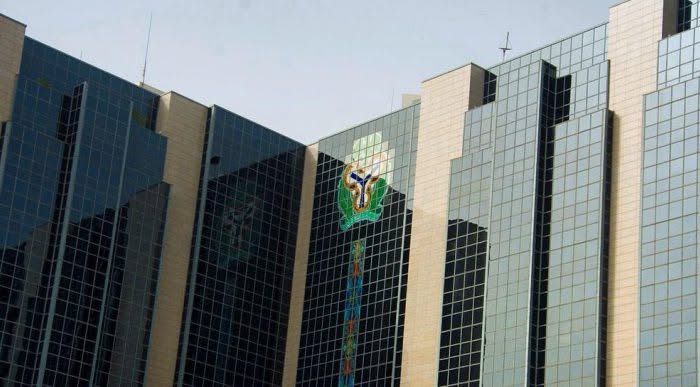
The Governor of the Central Bank of Nigeria (CBN), Olayemi Cardoso, has urged commercial banks and development finance institutions to increase funding for Nigerian exporters. He stated that limited access to credit stops businesses from seizing opportunities in international markets.
Mr Cardoso mentioned that businesses with confirmed export orders often struggle to get the working capital needed to buy raw materials, get certification, expand production, or finance shipments. This makes it hard for them to meet orders, even when buyers are ready.
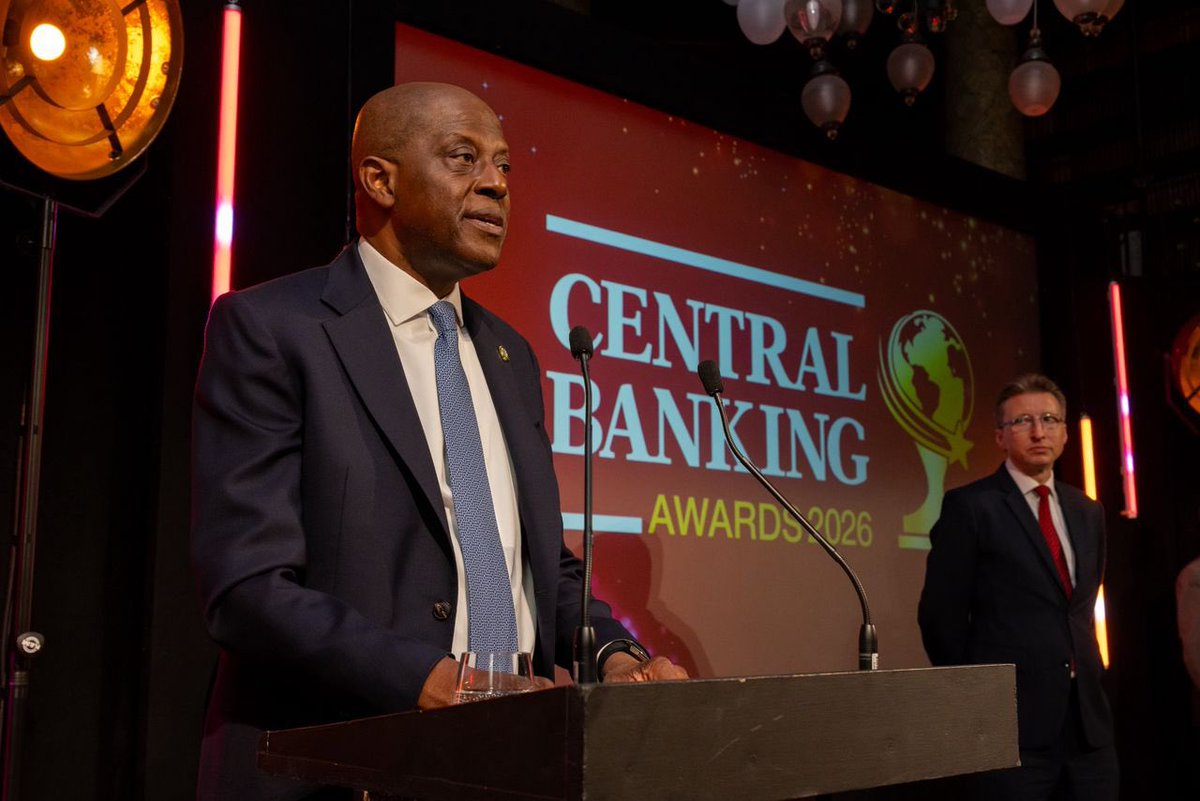
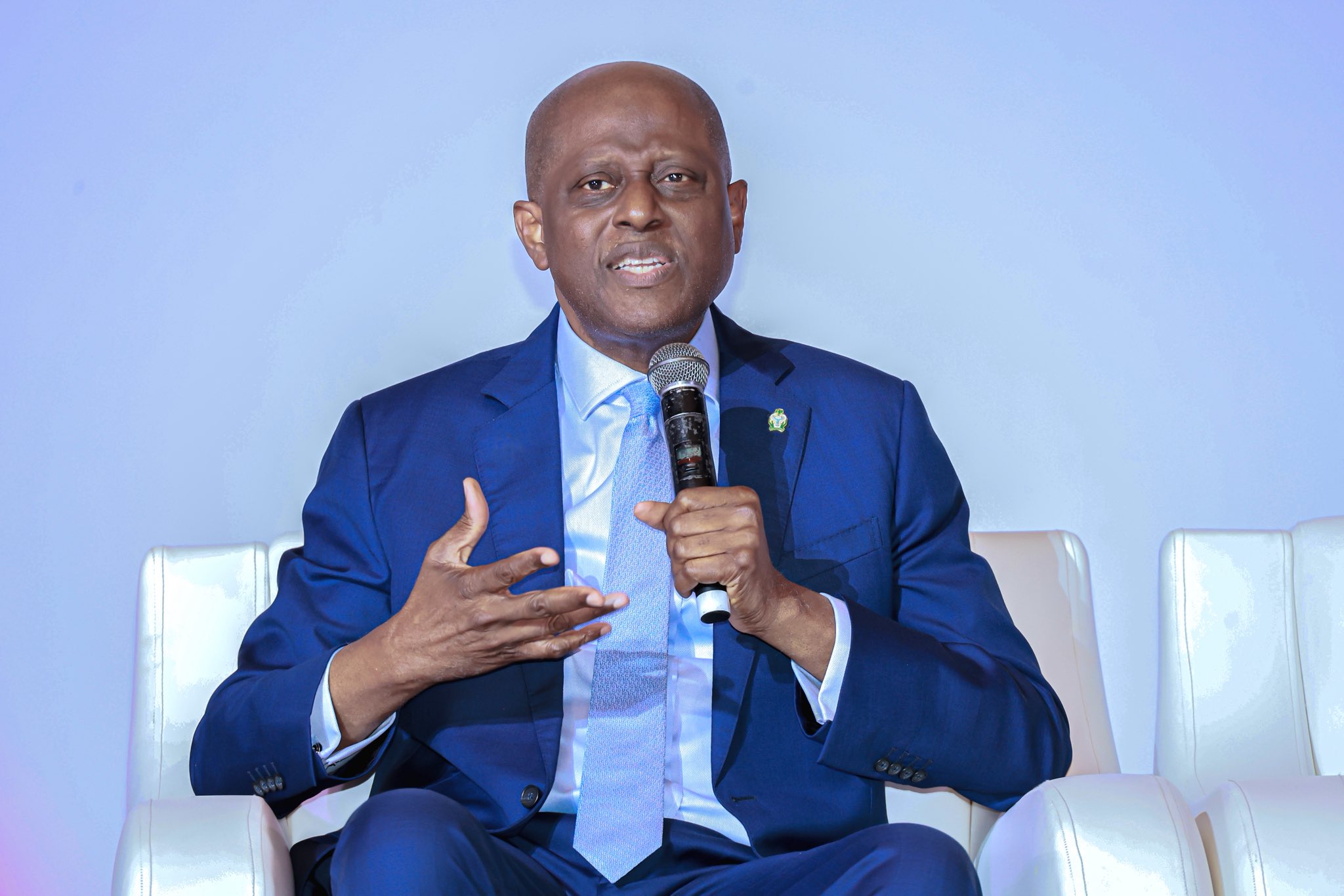
He spoke on Thursday in Abuja during a stakeholder forum organized by the Nigerian Export-Import Bank (NEXIM). The theme of the forum was "Leveraging the AfCFTA for Enhanced Nigerian Export Competitiveness and Economic Diversification."
Represented by Isa Yuguda, the CBN Deputy Governor for Financial System Stability, Mr Cardoso said, "A Nigerian firm may have a confirmed order but lack the working capital to purchase inputs, obtain certification, expand production, or finance shipment."
He called on commercial banks to partner more with development finance institutions to close the financing gap. He stressed that development finance institutions should support commercial lending instead of replacing it.
He said, "The objective should not be for development finance institutions to replace commercial banks, but to crowd them in."
Mr Cardoso advised NEXIM Bank to use its financing, guarantees, insurance, and risk-sharing tools to make export transactions more appealing to commercial lenders. This will also encourage private investment in the sector.
This appeal comes as Nigeria aims to diversify its economy away from crude oil and boost non-oil exports through the African Continental Free Trade Area (AfCFTA). The AfCFTA offers businesses the chance to reach markets across Africa.
But challenges like limited access to finance, high production costs, poor infrastructure, and difficulties meeting export standards still hold back Nigerian businesses from competing effectively in global markets.
Mr Cardoso warned that Nigeria's reliance on a few export commodities makes the economy vulnerable to external shocks. He said diversification should lead to more production, jobs, and stable foreign exchange earnings.
He added, "Our ambition must extend beyond increasing export volumes. Nigeria must increase the value, sophistication, and competitiveness of what it exports."
He pushed for more investment in manufacturing, agricultural processing, solid minerals, technology, services, and the creative economy to boost Nigeria's role in the AfCFTA.
Mr Cardoso confirmed that the CBN is dedicated to improving foreign exchange market transparency, liquidity, price discovery, and efficiency. This will help businesses plan for cross-border transactions.
He cautioned exporters against breaking foreign exchange rules, especially around documenting transactions and bringing back export proceeds. He said, "Exporters are expected to comply with applicable documentation requirements and repatriate export proceeds within prescribed regulatory timelines."
He highlighted the need to monitor export proceeds, check prices, and keep proper documentation to prevent issues like import over-invoicing, export under-invoicing, and illegal money flows.
Mr Cardoso also mentioned that digitizing trade documents and linking them with the National Single Window would cut down on processing times and costs for businesses.
He promised ongoing collaboration with financial institutions to ease cross-border transactions through regional payment systems, including the Pan-African Payment and Settlement System.
He stated that the CBN will focus on monetary and financial stability. Commercial banks will provide scalable private financing, while development finance institutions will offer specialized risk-sharing tools.
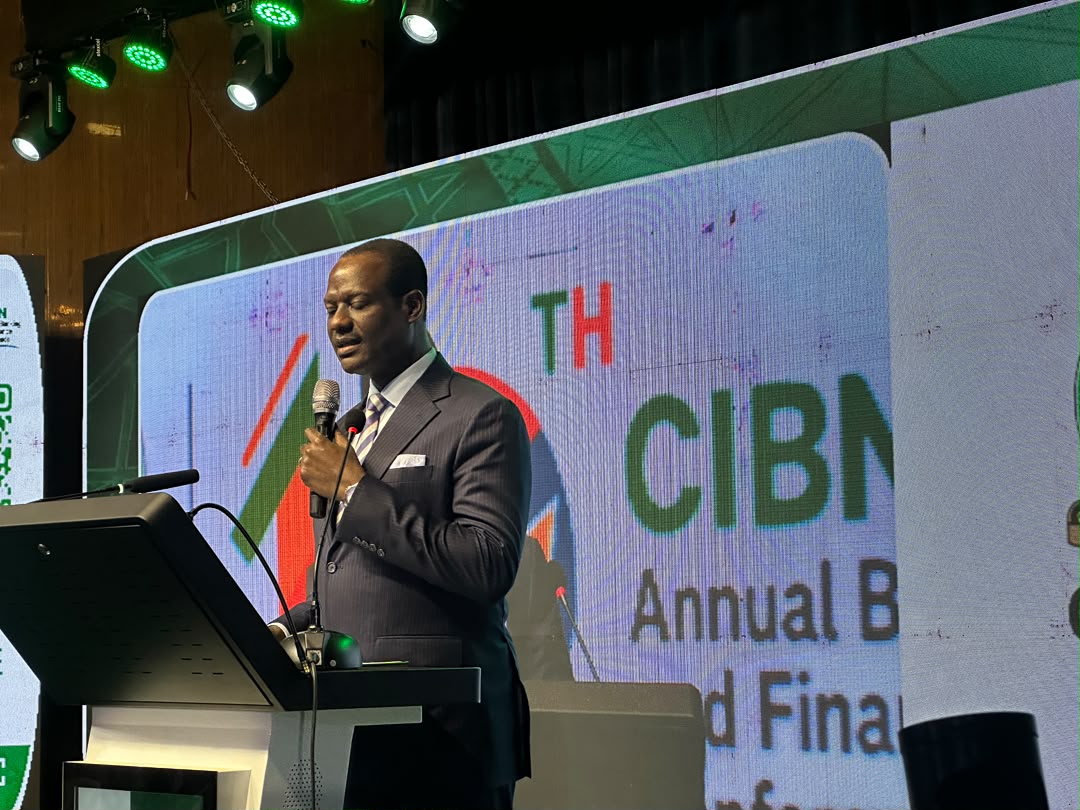
Earlier, NEXIM Bank Managing Director Abubakar Bello revealed that the bank has funded over 1,300 exporters since starting in 1991. This support has helped create and sustain about 110,000 industrial jobs.
He added that NEXIM Bank, alongside the Small and Medium Enterprises Development Agency of Nigeria (SMEDAN), has raised N42 billion to support small businesses in the export value chain.
Mr Bello also mentioned that the bank is working on a non-interest financing option with the Islamic Development Bank. This includes dedicated funding for women and young entrepreneurs.
The Minister of Finance and Coordinating Minister of the Economy, Taiwo Oyedele, warned financial institutions against giving loans that do not match exporters' timelines and foreign exchange earnings.
He explained that businesses might miss export chances if financing takes too long, certification is slow, or transport costs are unpredictable, even when products and buyers are ready.
He said, "A business may have a good product and a willing buyer, yet lose the order because financing arrives late, certification is delayed, or transport costs become unpredictable."
He urged financial institutions to build stronger partnerships through structured financing, guarantees, and insurance while sticking to solid lending standards and preparing businesses to meet export needs.
Also speaking at the event, the Minister of State for Industry, John Enoh, pointed out that the lack of patient capital is a major barrier to industrial growth. He advised lenders to invest in productive infrastructure instead of just focusing on individual export transactions.
He stated, "Finance the factory and not the shipment. Trade finance moves what already exists. Industrial finance creates what does not yet exist."
He called for financing for regional trade and product certification, noting that limited access to credit and power shortages have left many of Nigeria's industrial capabilities underused.
The National Coordinator of the Nigeria AfCFTA Coordination Office, Patience Okala, announced plans for a financial boot camp for women and young entrepreneurs in the first quarter of 2027. This will connect businesses with funding opportunities.
She shared that certificates of origin issued between December 2025 and November 2026 rose by 500 percent, and processing time dropped from five days to 24 hours.
Certificates of origin are documents that show where goods were made, helping exporters meet trade rules and access better tariffs under trade agreements.
Meanwhile, the Special Adviser to the President on Economic Affairs, Tope Fasua, called for investments in productive capacity, technology, skills, and infrastructure. This will stop Nigeria from becoming a market for foreign goods.
He said, "Market access without productive capacity is an invitation to import, not an assurance of export success."
The African Development Bank, in its trade finance report released in May 2026, estimated Africa's unmet trade financing need at between $74 billion and $92 billion in 2024.
The report also showed that commercial banks financed about 23 percent of African trade from 2020 to 2024. This is down from 40 percent between 2011 and 2019.

Drop your comment
No comments yet — be the first to drop the gist 👇