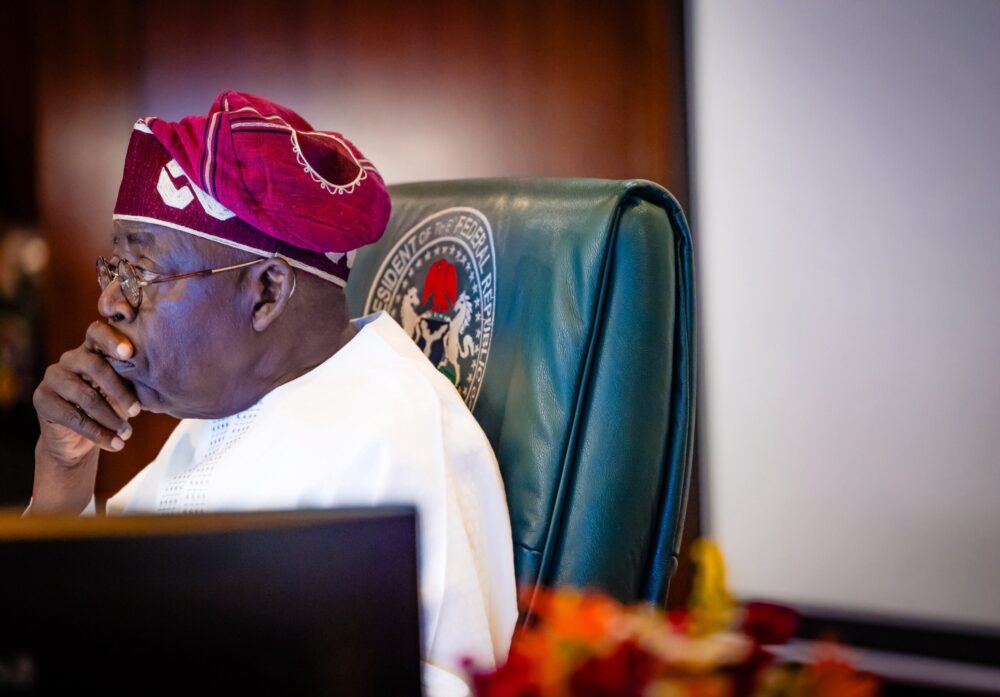
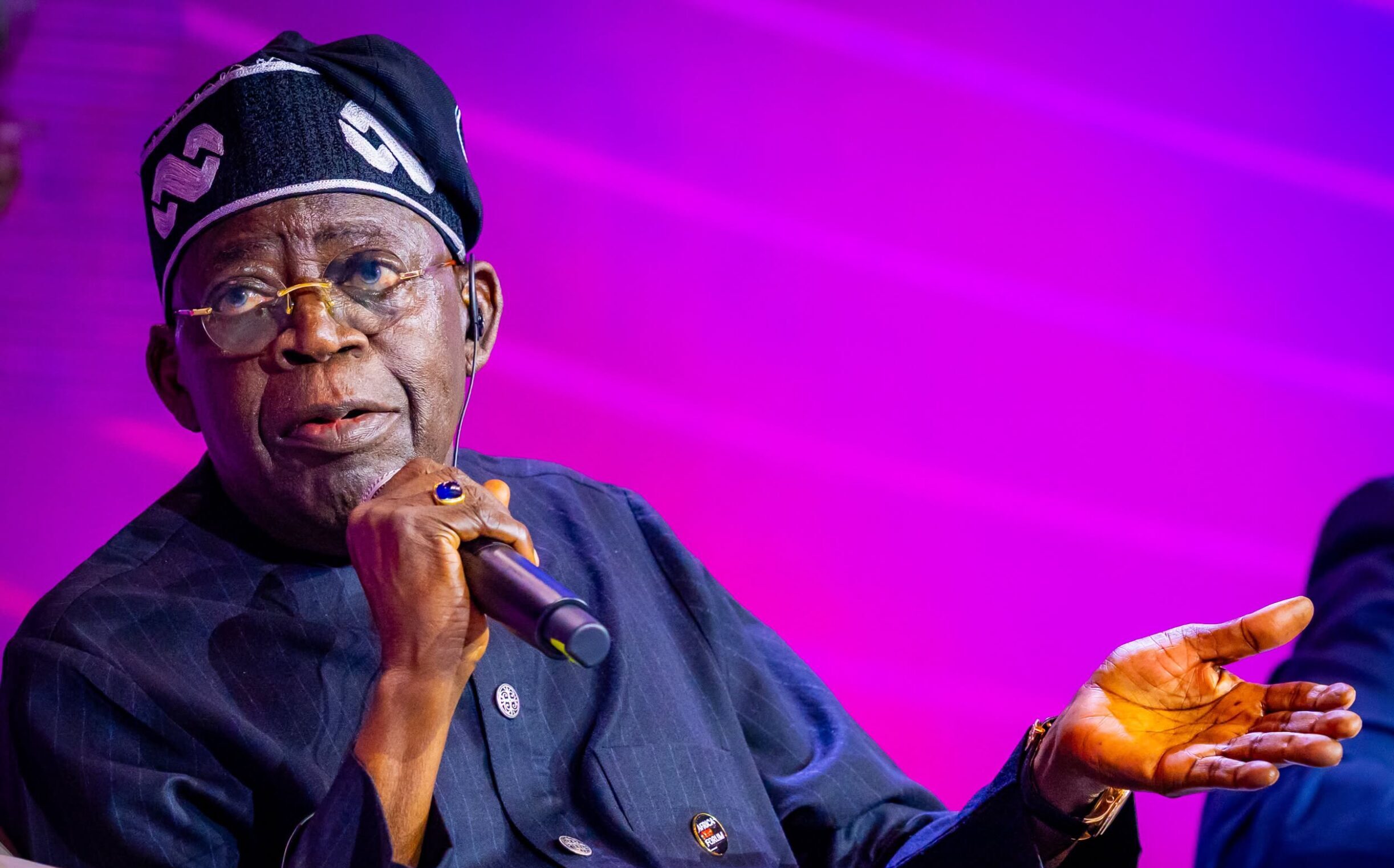
President Bola Tinubu has urged Nigerian banks to stop focusing so much on funding the government. Instead, he wants them to provide affordable loans to businesses and important sectors to boost investment, production, and create jobs.
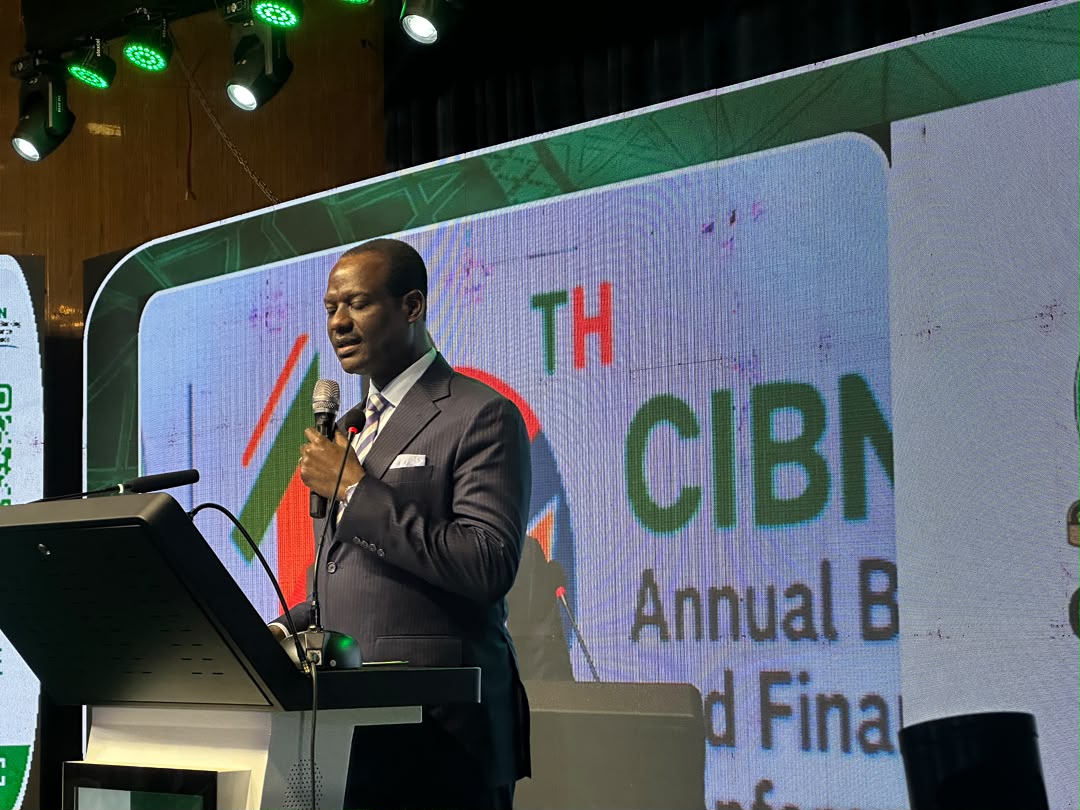
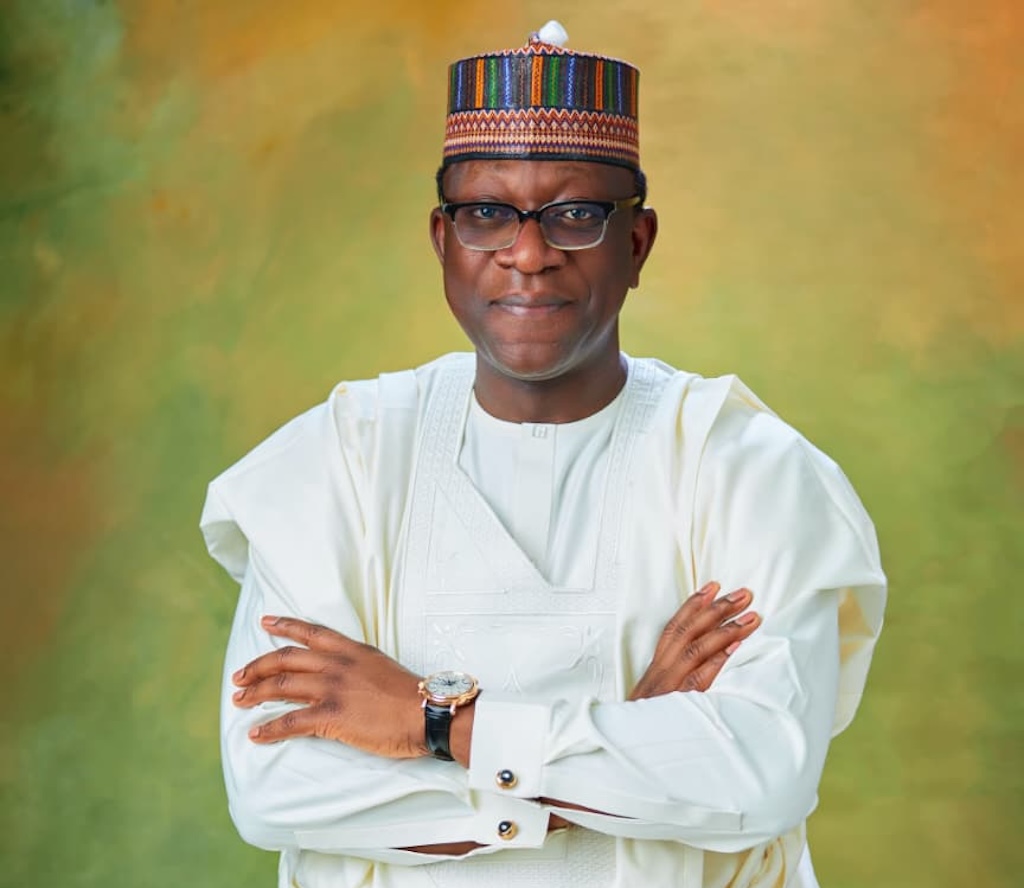
Mr Tinubu spoke through the Minister of Finance and Coordinating Minister of the Economy, Taiwo Oyedele, at the 19th Annual Banking and Finance Conference of the Chartered Institute of Bankers of Nigeria (CIBN) on Tuesday.
He mentioned that the government's economic reforms have helped stabilize the economy and build investor confidence. Now, he believes the next step is to turn these improvements into actual investment, production, jobs, and better living standards.
"The current phase of our reform journey is accelerating the conversion of stability into investment, investment into production, production into jobs, and growth into improved living standards," he said.
He called on banks to shift from just being intermediaries to being transformational. According to him, banks should not only be judged by how much they grow in profits or shareholder returns, but by how they help the real economy.
“A resilient banking system cannot assist indefinitely where businesses cannot obtain affordable credit. Manufacturing that is struggling cannot expand, and millions of productive MSMEs remain outside the formal financial system,” Tinubu said.
He added that the government is working on expanding guarantees, risk-sharing, blended finance, and credit support with a National Credit Guarantee Company to attract private investment and support productive projects.
The Nigerian leader stated that success should be measured by how much productive investment government policies encourage instead of just how much money the government spends.
Banks must finance growth
Mr Tinubu also noted that the recent bank recapitalisation should lead to more than just bigger balance sheets. He expressed that it should result in more funding for businesses in the real economy.
“It must translate into capital formation in the real economy, financing Nigerian businesses as they expand across Africa and pursue our ambition of a $1 trillion economy,” he said.
He pointed out that having a bigger bank that does not support a more productive economy is not a good result.
He stressed the need for broader financial inclusion, saying that just having access to bank accounts does not mean people can get loans.
He emphasized that the financial system should help small businesses and entrepreneurs access working capital based on their cash flows, not just collateral they may not have.
“We must build a system that finances potential and opportunities rather than quick gains for the privileged,” he said.
Mr Tinubu further called for a shift away from a financial system where high returns on government securities make lending to productive businesses less attractive.
He believes that better fiscal conditions will allow the government to gradually create more room for private sector credit.
The President described the ideal situation as a “virtuous cycle.” In this cycle, better fiscal discipline would decrease pressure on government borrowing, lower inflation would bring down interest rates, and cheaper capital would encourage investment and production.
He pointed out that increased production would lead to more jobs, higher incomes, and more tax revenue, which would help sustain fiscal stability.
“That is how gains from reform begin to compound at scale, and the financial sector must be ready for that transition,” he said.
Tinubu also mentioned that technology, long-term capital, and trust are important parts of a strong financial system. He warned that more digitalization could lead to higher cybersecurity risks.
He stated that Nigeria needs to strengthen its capital markets, insurance, pension, and asset management sectors to attract domestic savings and foreign investment for long-term projects.
On the state of the economy, the President shared that Nigeria's GDP grew by 4.43 percent in the second quarter of 2026. He also noted that inflation has dropped to 15.43 percent and external reserves have surpassed $54 billion.
He said these improvements show that “stability has returned” and “credibility is rising,” but he cautioned that stability should not be confused with real economic growth.
“Stability is a foundation; prosperity is a destination,” Mr Tinubu said.

Drop your comment
No comments yet — be the first to drop the gist 👇