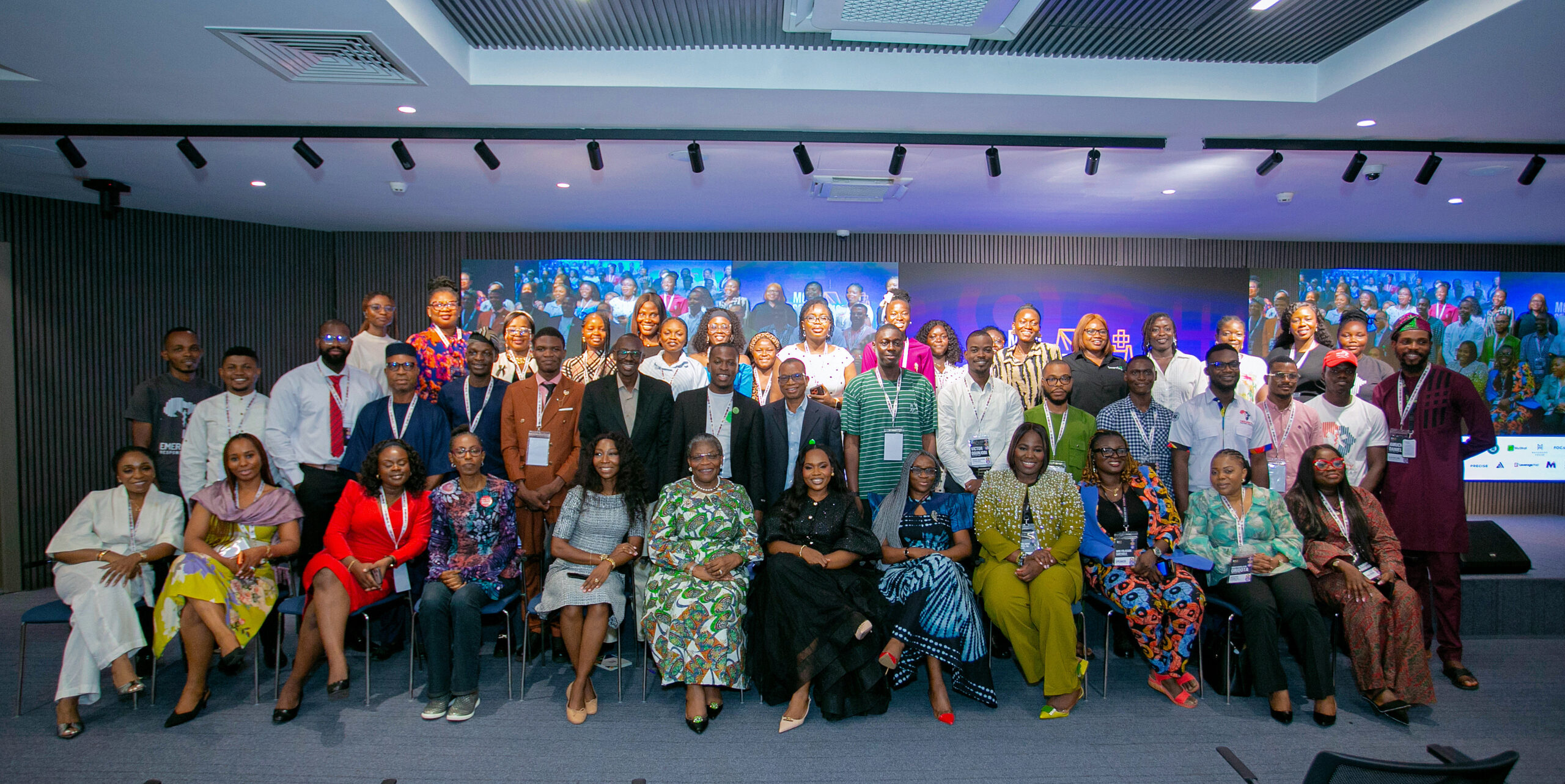
Nigeria is making strides in setting up a solid home healthcare system. This follows the successful ending of the third edition of The Care Conference 2026. The event gathered top policymakers, healthcare workers, regulators, investors, tech innovators and development partners to talk about the future of care delivery outside hospitals.
The conference took place on Thursday, 19 November 2026, in Lagos. The theme was “Care as Infrastructure: Building a National Position on Home HealthCare in Nigeria.” The event also saw the launch of The Homecare Framework. This book outlines what is needed for healthcare delivery outside hospitals.
A major announcement at the conference was from the Federal Ministry of Health and Social Welfare. They asked The Purple Global Mission to work with its Department of Family Health. They aim to create a national policy document on post-discharge home care, from the first draft to validation. The Convener, Abiola Hakeemat Etti-Ayilara, confirmed that they accepted the request. She called it an important step in filling the gaps in Nigeria’s healthcare system.
In her welcome speech, Etti-Ayilara, who is the Founder of The Purple Global Mission, pointed out that Nigeria lacks a coordinated national framework for home healthcare. She highlighted that there is no public national data on home healthcare, no consolidated register of providers, and no proper records of patients’ experiences after leaving the hospital.
She noted that families, especially women, have to take on heavy caregiving duties without enough support. Referring to the high out-of-pocket healthcare costs in Nigeria, she said that the burden of caring for patients after they leave the hospital cannot just be a family issue anymore.
“Home healthcare is not charity at the edge of the health system. It is a link in its value chain: hospital, discharge, home, recovery,” Etti-Ayilara stated. She stressed the need for standards, accountability, financing and professional care services.
Dr Obiageli Ezekwesili, Chair of the Whole Care Framework, also spoke at the conference. She urged everyone to see care as essential national infrastructure. She argued that care is crucial for human development, economic productivity and the wellbeing of Nigerian families.
Ezekwesili highlighted the often-ignored burden of unpaid caregiving, especially for women. She said families keep taking on responsibilities that should have proper institutional support. She called on everyone to stop seeing care as just a family matter and to recognize its broader economic and development impact.
“Care is where human capital is formed, protected and restored. A country that neglects care is depreciating its most valuable asset and calling it thrift,” she said.

Ezekwesili laid out five priorities for the proposed national position: gathering reliable data on care, financing care through public budgets and health insurance, professionalizing the caregiving workforce, regulating service delivery with proper standards and linking hospitals, primary healthcare centres and homes through coordinated systems.
Dr Bosun Tijani, Minister of Communications, Innovation and Digital Economy, spoke about the role of technology in improving healthcare delivery. He pointed out Nigeria’s digital infrastructure as key to better patient identification, emergency response, caregiver coordination and medicine delivery.
Dr Iziaq Adekunle Salako, the Minister of State for Health and Social Welfare, was represented by Dr Saheed Ogunme, Medical Director of the Federal Medical Centre in Ebute-Metta. He emphasized the need for a structured home-based care system to help patients recover after leaving the hospital. He called for clear discharge procedures, caregiver training, stronger links between hospitals and primary healthcare centres, digital health solutions and sustainable financing.
Other key speakers included Dr Kemi Ogunyemi, Special Adviser to the Lagos State Governor on Health, who talked about clinical governance and patient safety. Prof. Modupe Elebute-Odunsi, Founder and CEO of Marcelle Ruth Cancer Centre and Specialist Hospital, pushed for regulation and certification of caregivers. Mrs Omobolanle Akinyemi-Obe, Director-General of the National Senior Citizens Centre, highlighted the need for dignified and sustainable care for older people.
The conference also had panel discussions and sessions on digital health infrastructure, care data and financing, clinical governance and quality assurance. Breakout sessions looked at healthy ageing and caregivers, workforce development, coordination and continuity, and a Pitch and Demo Room where investors met with startups working on care solutions.
Through this event, The Care Conference 2026 pushed an important national conversation about moving home healthcare from an informal family-managed duty to a coordinated, professional part of Nigeria’s healthcare system.
As the conference wrapped up, the main message was clear: care needs to be recognized, measured, financed and supported through clear policy and institutional action. For The Purple Global Mission, the next step is to build on the partnerships and ideas from the conference. This will help create a national framework to ensure that patients get the support they need to recover at home.

Drop your comment
No comments yet — be the first to drop the gist 👇