Poor coordination in Nigeria's healthcare system makes it hard for patients and their families to get proper care. They often have to deal with referrals, carry medical records from one place to another, and explain their medical histories repeatedly while looking for treatment.
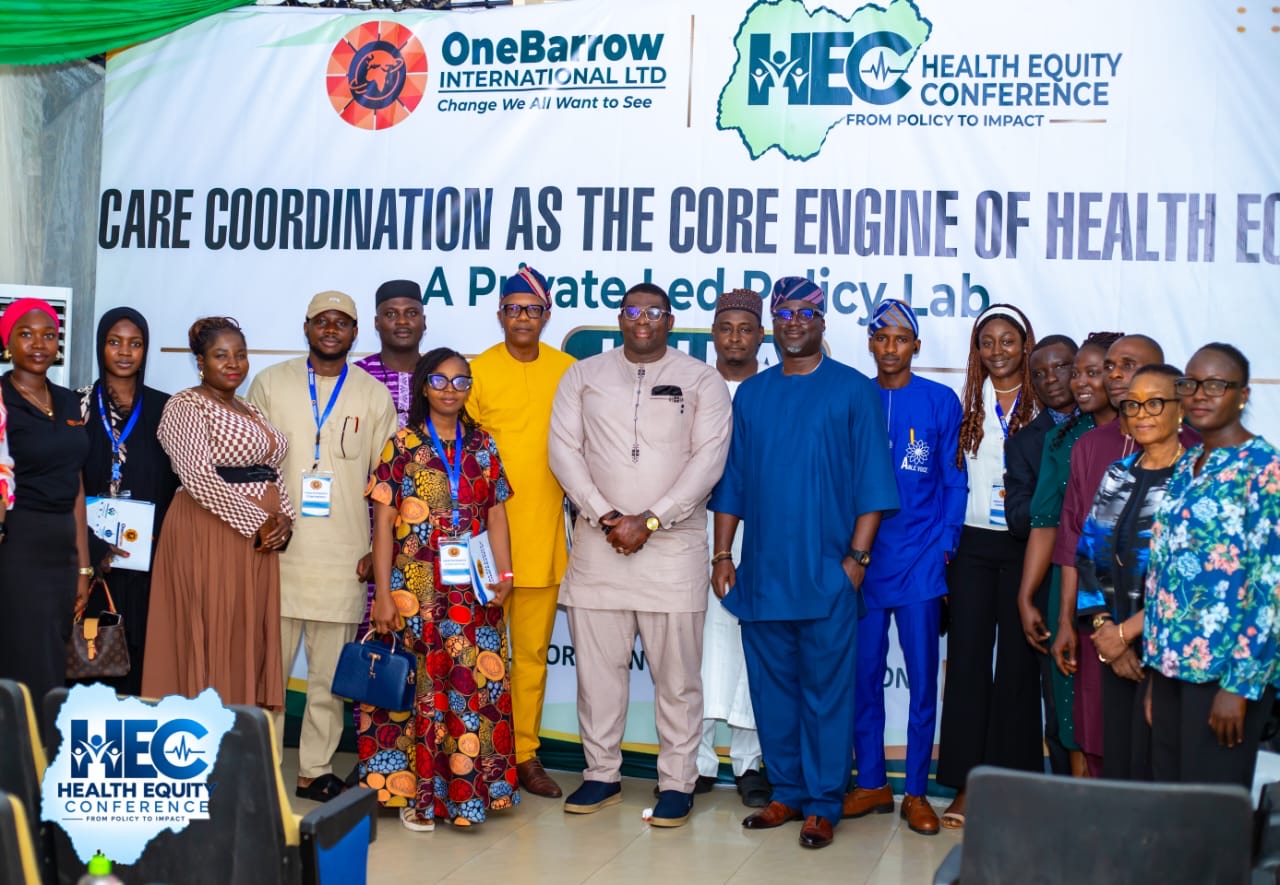
Addressing these issues was a key topic at the 2026 Health Equity Conference. Stakeholders called for better referral systems, improved sharing of information, and clearer roles for patients as they move between healthcare providers.
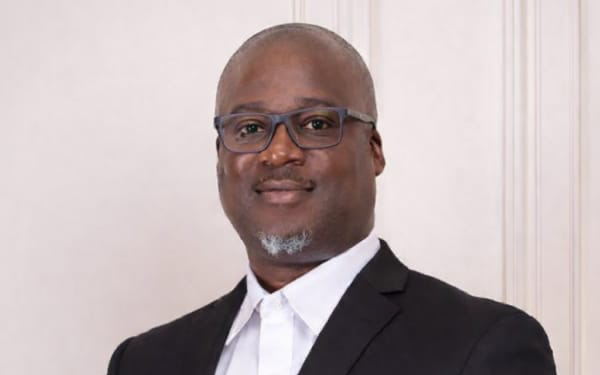
Yemi Ajao, the Chief Executive Officer of OneBarrow International Limited, spoke at the conference. He said patients should not have to find their way through the gaps between hospitals, labs, pharmacies, and specialists without proper help.
Mr Ajao emphasized that information and responsibilities for care should follow patients as they go from one provider to another. He warned that poor communication and weak referral processes could leave patients confused about where to seek further treatment.
“A patient does not experience healthcare as a collection of professional mandates, institutional departments or organisational charts. A patient experiences a journey,” he said.
He urged everyone to identify the barriers that stop patients from getting coordinated care in different facilities and levels of the health system. The conference took place from 13 to 15 October and was themed ‘Care Coordination as the Core Engine of Health Equity’. It gathered government, healthcare institutions, professional groups, and others to discuss how to improve healthcare access.
To show the gaps in coordination, Mr Ajao shared a story about a patient named Amina. He asked the audience to think about what happens when a patient is referred from one provider to another.
He questioned if patients knew where to go after getting a referral. He also asked if the new provider had the right information to give proper care and if anyone checked to make sure the referral was completed.
He said these questions should guide decisions about healthcare policies, funding, and technology. The story showed how important it is to view care as a connected process, not just a series of separate visits to different providers.
When referral information is not shared well, or when follow-up roles are unclear, patients may have to manage their own treatment. This makes it harder to access the right care.
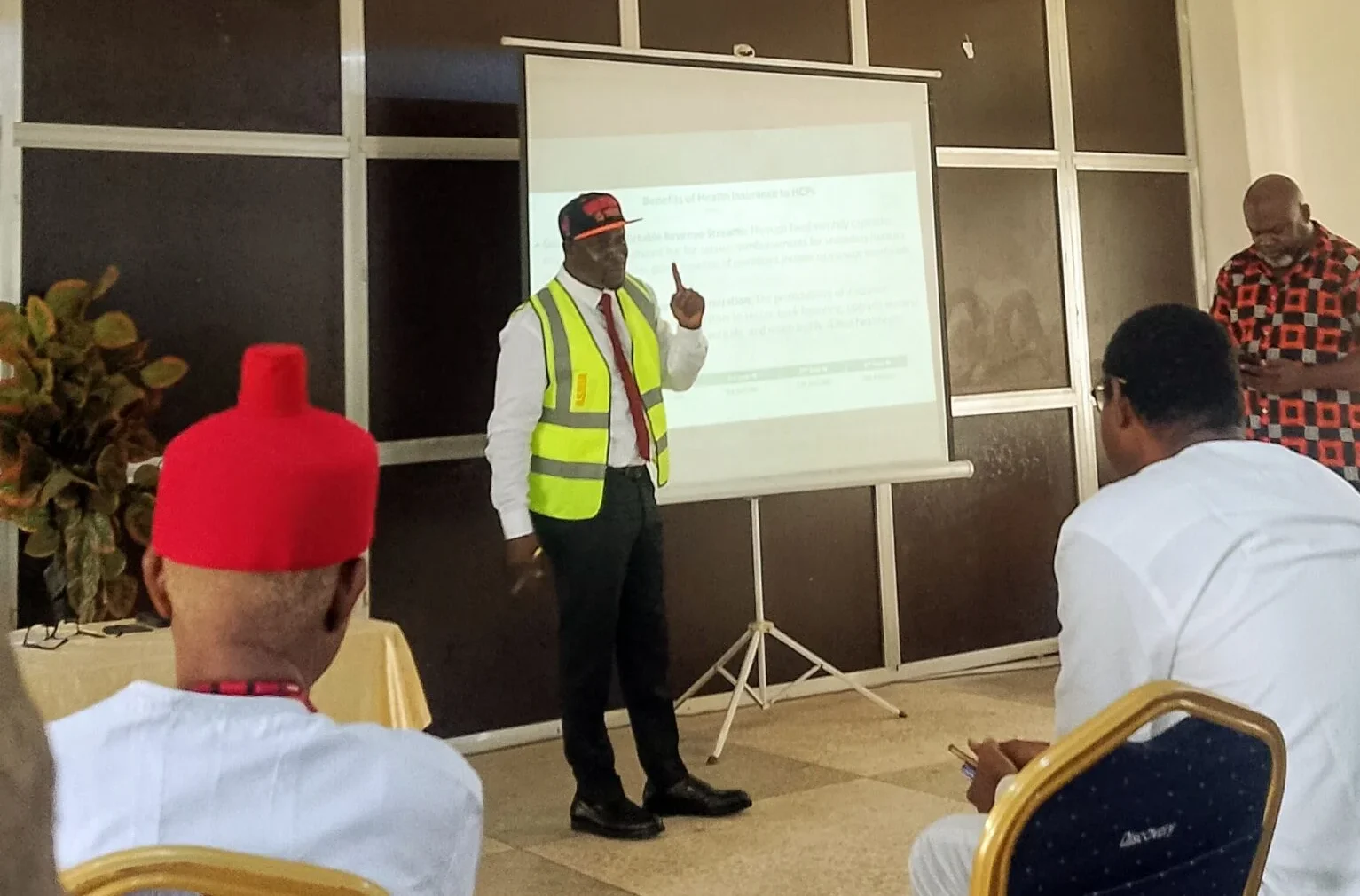

Mr Ajao said the conference aims to look into patient journeys, responsibilities of institutions, financing, partnerships, data, and how to put plans into action through discussions and policy labs.
He encouraged everyone to recognize the challenges institutions face while finding practical ways to improve coordination and continuity of care. He called for teamwork among government agencies, regulators, healthcare workers, private groups, and civil society to fix gaps in service delivery.
He believes that effective referrals, timely sharing of information, and clear responsibilities for patient care can improve the healthcare experience and build public trust in the system. “National pride grows when people can see their country working for them,” he said.
Adijah Elijah, the Director of Health Planning, Research and Statistics at the Federal Ministry of Health and Social Welfare, also spoke at the conference. She said that government policies and investments must lead to real improvements in healthcare access.
Mrs Elijah mentioned that Nigeria's goal of achieving universal health coverage by 2030 will need government bodies, healthcare providers, development partners, and communities to focus on common goals.
“Health equity is both a moral imperative and a practical investment in Nigeria’s human capital, productivity and sustainable development,” she said.
She pointed out the Nigeria Health Sector Renewal Investment Initiative and the Sector-Wide Approach as frameworks to align investments, boost coordination, and enhance accountability in the health sector.
But she said we should not only measure the health system's effectiveness by counting facilities, resources, or policies. Instead, she said we should check if people can get quality healthcare without suffering financial stress.
Mrs Elijah urged stakeholders to focus on putting plans into action and making measurable improvements in access, especially for those who are underserved.




Drop your comment
No comments yet — be the first to drop the gist 👇