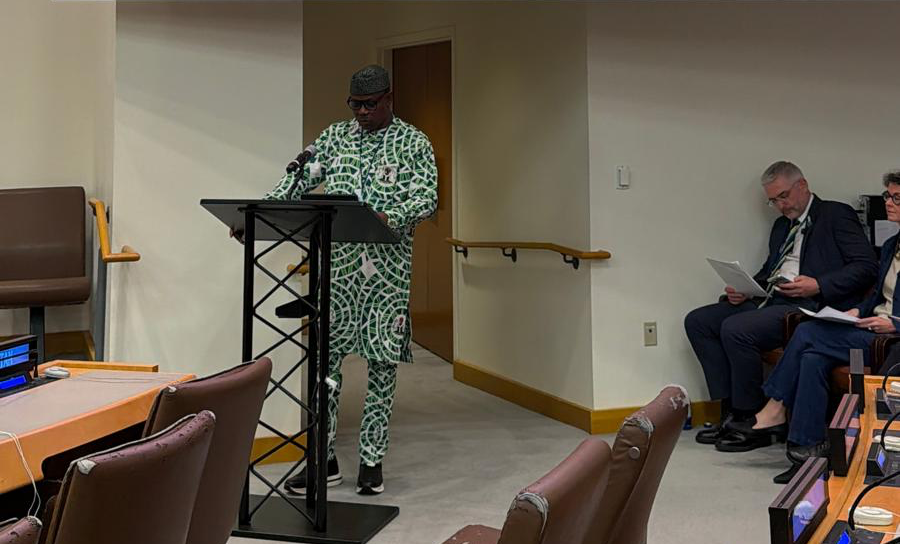
Nigeria has asked for a fairer global system for preparing for pandemics. The country wants more money, better technology transfer, and stronger manufacturing in Africa to help developing countries handle future health emergencies.
Iziaq Salako, the Minister of State for Health and Social Welfare, made this request while speaking for President Bola Tinubu at a key meeting on Pandemic Prevention, Preparedness, and Response at the United Nations Headquarters in New York.
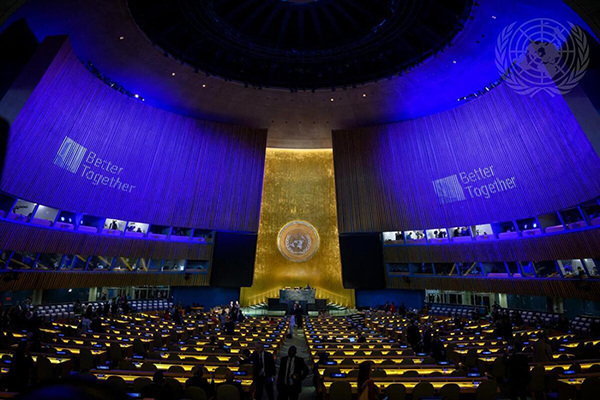
This meeting took place during the 81st United Nations General Assembly.
Mr Salako stated that effective pandemic readiness needs strong public health systems. These systems should be able to prevent, detect, and respond to health dangers before they turn into emergencies.
“Prevention is preparedness and the strength of everyday public health systems determines how effectively nations detect threats early, respond rapidly, and maintain essential services during crises,” he said.
He added that Nigeria is working on improving its legal and institutional frameworks, boosting digital disease surveillance, using the 7-1-7 approach, enhancing genomic sequencing, and getting ready for different health hazards.
The 7-1-7 approach means countries should detect a suspected public health threat within seven days. They should notify the right authorities within one day and finish the initial response within another seven days.
Focus on fairness
Mr Salako emphasized that fairness must be key in the global agenda for pandemic prevention and response. He wants countries that share pathogens to get fair benefits from vaccines, diagnostics, and treatment development.
He called for quick and sustainable funding for low- and middle-income countries. He also stressed the need for technology transfer and stronger local manufacturing, especially in Africa.
Nigeria's priorities include stronger national ownership, good governance, legal readiness, health systems that focus on prevention, integrated One Health systems, fair access to funding, and better regional and global cooperation.
“National ownership and global solidarity must advance together,” he said.
Mr Salako mentioned that Nigeria is also promoting the One Health approach. This includes improving governance on antimicrobial resistance (AMR) and infection prevention programs, as well as expanding emergency workforce capacity at all levels.
The country's public health lab network now covers all 36 states. Public Health Emergency Operations Centres are supporting responses to outbreaks like Lassa fever, cholera, diphtheria, and meningitis, he said.
Nigeria's Joint External Evaluation score has gone up from 39 percent in 2017 to 54 percent in 2023.
Additionally, the World Bank’s $250 million Health Security Programme is helping health security at both federal and state levels under the One Health approach, according to Mr Salako.
Nigeria to host AMR conference
Mr Salako wants antimicrobial resistance to stay a key part of the global pandemic preparedness plan. He called it “both a current public health threat and a multiplier of pandemic risks.”
In this context, he announced that Nigeria will host the fifth Global High-Level Ministerial Conference on Antimicrobial Resistance in December 2026.
This will be the first time the conference is held in Africa. It will help move One Health action forward and support the needs of low- and middle-income countries, he said.
Mr Salako also highlighted the need to involve communities in pandemic preparedness. He said public trust cannot be built only after an outbreak starts.
He called for ongoing investment in risk communication, community engagement, social listening, community hygiene, and managing information during emergencies.
He assured that Nigeria is committed to boosting national and regional capacity to prevent, detect, and respond to public health threats. The country also supports a global pandemic preparedness framework that is fair, sustainable, and accountable.

Drop your comment
No comments yet — be the first to drop the gist 👇