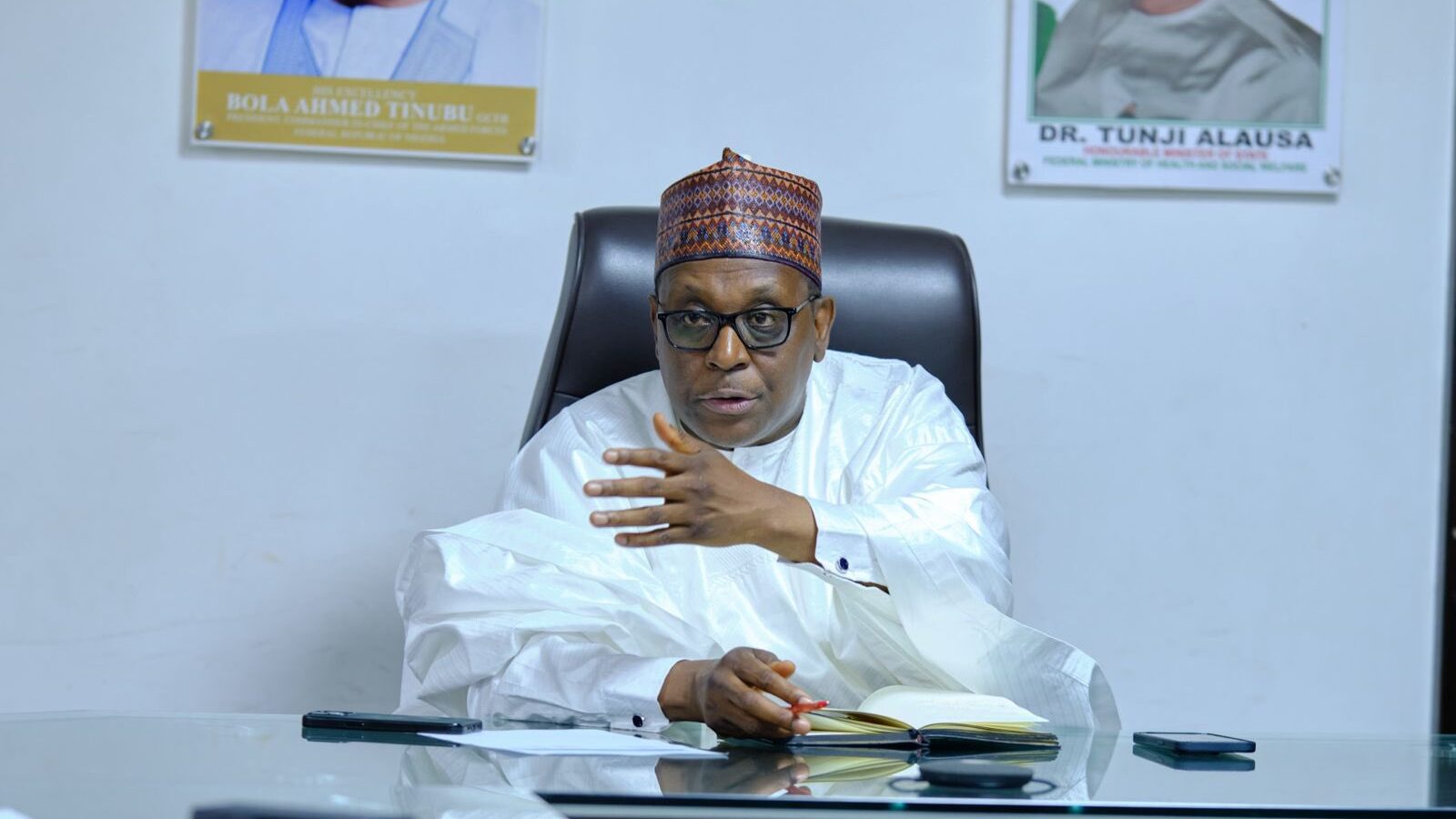
The Minister of Health and Social Welfare, Muhammad Pate, has assured Nigerians that the country is prepared to tackle the latest Ebola outbreak, referencing the successful response in 2014.
Mr Pate spoke on Wednesday after a meeting with the Chief of Staff to the President, Femi Gbajabiamila. He urged Nigerians to stay alert but not to panic.
“Nigerians should be reassured. We must be vigilant, but not panic, and people should respect public health information from trusted sources, and not spread misinformation and false rumours,” he said.
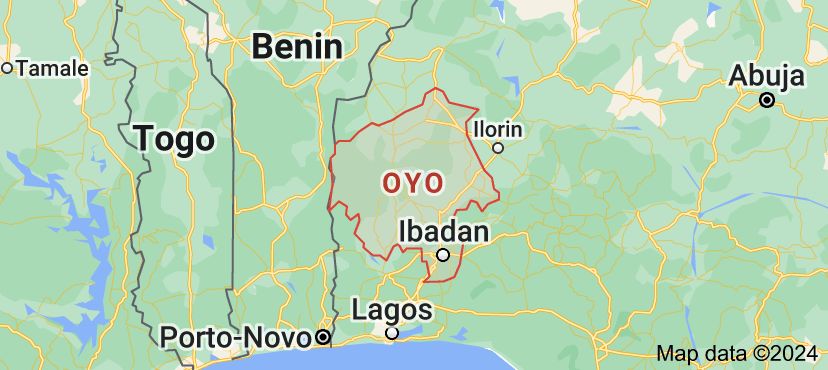
Nigeria confirmed one Ebola case in the Federal Capital Territory on Tuesday. The patient, a woman who recently came to Nigeria on an international flight from Uganda, is currently receiving treatment in isolation at a private hospital in Abuja.
Health officials have identified 44 close contacts and started contact tracing. The contacts include healthcare workers, patients, caregivers, and travel contacts.
Mr Pate mentioned that the government had activated containment measures to stop the virus from spreading further.
“What is important is that we have found this one case. We are doing contact tracing, and we are putting containment measures to ensure that it doesn’t go into our population,” he said.
He added that Nigeria’s past experience with Ebola gives confidence in the current response.
“We have done it in 2014, and we have good public health institutions,” Mr Pate stated.
The 2014 Ebola outbreak in Nigeria started when Patrick Sawyer, a Liberian-American, arrived in Lagos in July and was later diagnosed with the disease.
The country recorded 20 cases, which included 19 laboratory-confirmed cases and one probable case, with eight deaths. The Federal Ministry of Health, Lagos State government, and international partners set up an Ebola Incident Management Centre on 23 July 2014, just three days after Mr Sawyer arrived, to coordinate the response.
The World Health Organisation (WHO) declared Nigeria free of Ebola transmission on 20 October 2014 after the country went 42 days without a new case.
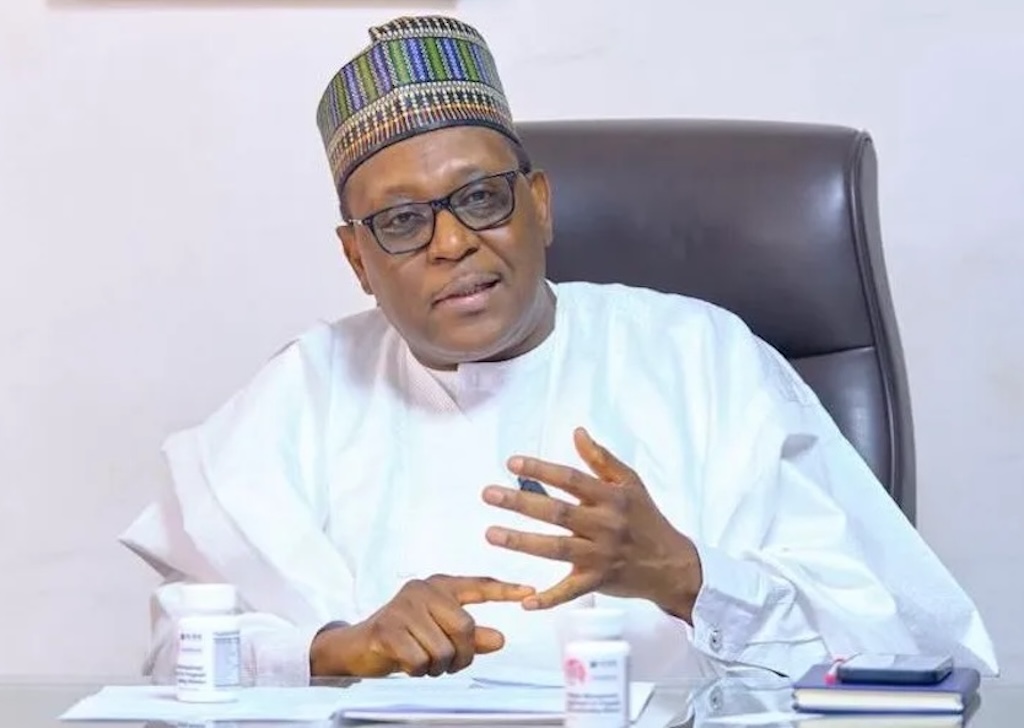
Odianosen Ehiakhamen, Incident Manager for the National Ebola Disease Response and an assistant director at the Nigeria Centre for Disease Control and Prevention (NCDC), said the agency has tracked down officials who were part of the 2014 response and are still in the country to assist.
“Because Nigeria had experienced this same situation in 2014, it was important for us to identify colleagues who responded and were still in the country because they are actually going to be our focal persons,” Mr Ehiakhamen said on Arise TV’s NewsNight on Tuesday.
He also mentioned that the NCDC had improved its readiness months before the Abuja case was confirmed.
A risk assessment done in May first labeled the risk as moderate, but the agency later raised it to a high level of preparedness and activated an alert.
The NCDC is keeping an eye on the response speed, including the time taken from receiving an alert to reaching a health facility, collecting samples, and completing lab tests.
Mr Pate said the NCDC incident management system and the national task force are working around the clock.
“They are working 24/7, and the task force is also active. So we have things in place that gives us confidence that Nigeria can weather through this public health crisis,” he said.
The minister’s reassurance came as lawmakers expressed worries about the resources available to Nigeria’s health agencies to deal with the outbreak.
On Wednesday, the House of Representatives urged the federal government to release overdue funds allocated for health agencies, stressing the need to enhance surveillance, contact tracing, and emergency response.
Lawmakers also raised concerns about supplies for infection prevention, readiness of health workers, and emergency response capacity. The Senate separately called for the immediate release of emergency funds from the Service Wide Vote and urged stricter health screening at airports and other entry points.

Drop your comment
No comments yet — be the first to drop the gist 👇