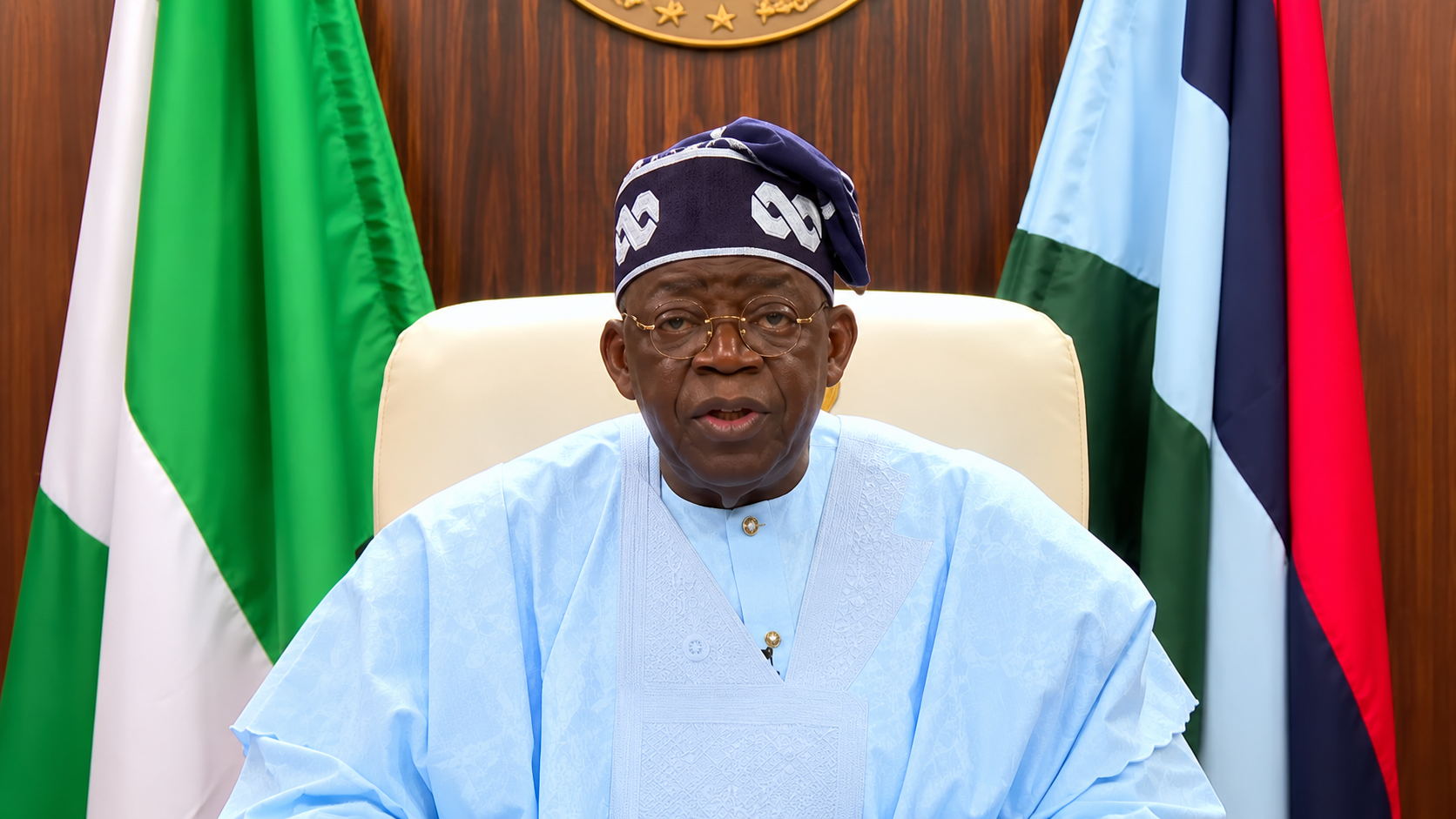
President Bola Tinubu announced that Nigeria’s economy grew by more than four per cent in 2026. His administration is now shifting from economic reforms to promoting wider prosperity.
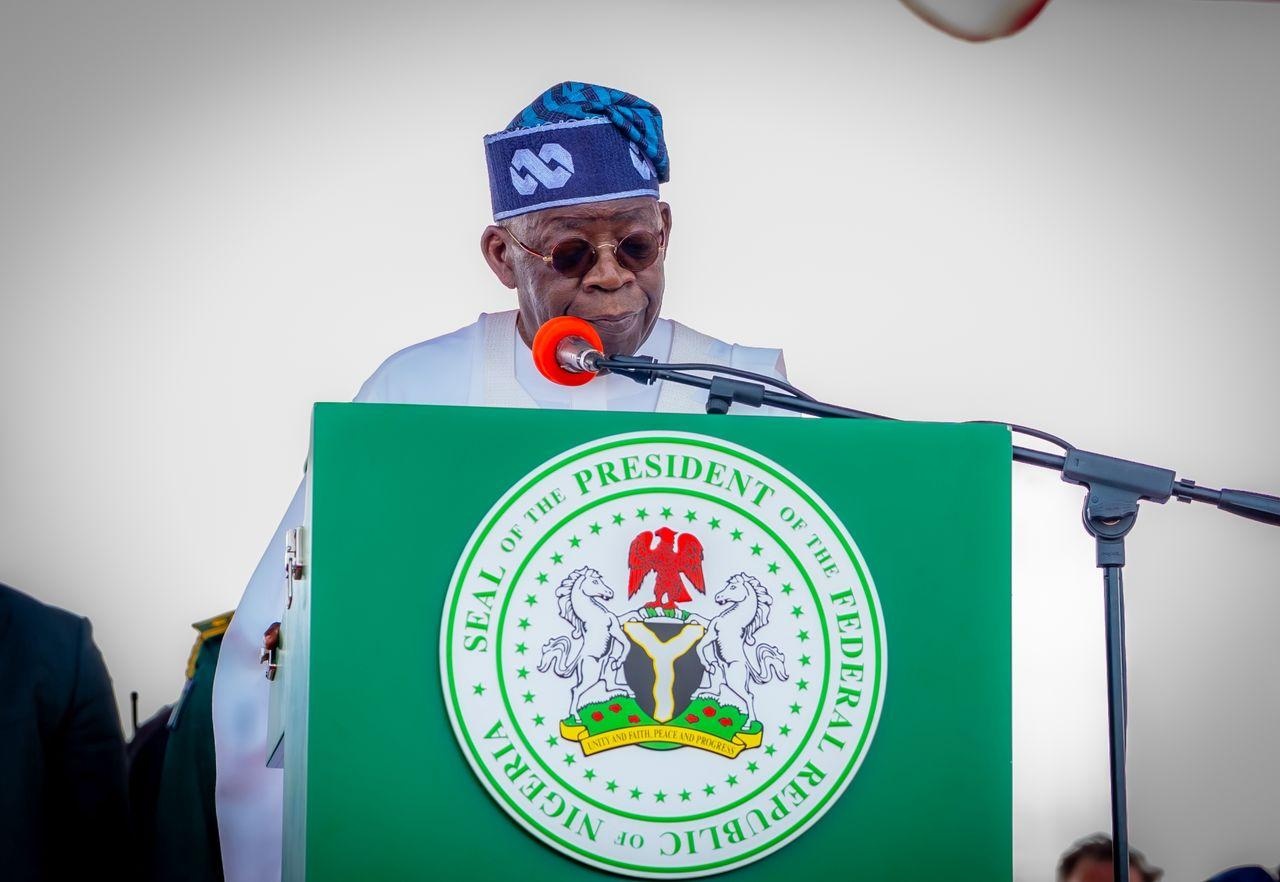
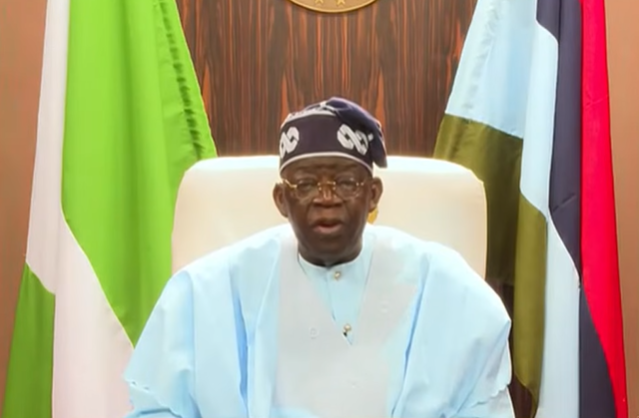
The president shared this information during his Independence Day speech to Nigerians on Thursday. He mentioned that both the oil and non-oil sectors helped the growth.
“Our economy has grown by over 4 per cent this year. Both oil and non-oil sectors have contributed to the renewed period of stable growth,” he said.
This statement follows a report from the National Bureau of Statistics (NBS). The NBS confirmed that Nigeria’s real Gross Domestic Product (GDP) grew by 4.43 per cent year-on-year in the second quarter of 2026. This was an increase from 3.89 per cent in the first quarter and 4.23 per cent in the same quarter of 2025.
The performance in Q2 brought the first-half growth to around 4.16 per cent, according to NBS data. This is up from 3.68 per cent in the first half of 2025.
Growth driven largely by non-oil economy
The latest GDP figures show that the growth was not only from oil.
The non-oil sector made up 95.84 per cent of real GDP in the second quarter and grew by 4.31 per cent year-on-year. Sectors such as agriculture, information and communication, real estate, trade, financial services, manufacturing, and construction supported this growth.
The services sector was the biggest contributor, making up 56.62 per cent of real GDP and growing by 4.60 per cent during the quarter.
Agriculture contributed 26.15 per cent to real GDP. It also grew faster, increasing by 4.39 per cent compared to 2.82 per cent in the second quarter of 2025.
The oil sector saw real growth of 7.31 per cent year on year in the second quarter, but it made up only 4.16 per cent of total real GDP.
The sector’s average daily crude oil production rose to 1.72 million barrels per day in the second quarter. This is up from 1.68 million barrels per day in the same period of 2025.
Economy expands after years of weak growth
The recent performance shows Nigeria’s slow economic recovery.
NBS data reveals that the economy grew by 3.87 per cent in real terms in 2025. This was an increase from 3.38 per cent in 2024. The Q2 2026 growth was also the strongest since the third quarter of 2024.
The 4.43 per cent growth in Q2 was the fastest second-quarter growth in five years. Yet, analysts warn that this growth does not mean that families are seeing a real improvement in their living standards.
The Nigeria Employers’ Consultative Association called the Q2 growth a good sign. But they cautioned that the recovery is still weak. Businesses are still facing tough operating conditions.
Tinubu points to wider economic indicators
Beyond GDP growth, President Tinubu said the government’s economic reforms have also improved other areas.
He noted that oil theft has reduced, inflation has decreased from its peak, foreign reserves have increased, and the foreign exchange market has stabilised.
The president stated that Nigeria made over $6 billion in non-oil export revenue in 2025. He called this the highest in the country’s history.
He added that foreign direct investment is also on the rise. He argued that these changes show that the reforms since his administration took office are improving Nigeria’s economic outlook.
From reforms to prosperity
President Tinubu said the government’s focus is now moving from fixing structural problems to creating broader and lasting prosperity.
He mentioned that the government will work on lowering living costs by reducing production and transportation costs.
This will involve expanding mechanised irrigation and dry-season farming. It will also include improving access to seeds and fertiliser, increasing mechanisation, and investing in storage and transportation.
He said the government will keep investing in roads, railways, and ports to better connect farms, factories, and markets.
The president also said Nigeria’s gas resources will be used to support industrial growth, improve digital connectivity, and provide infrastructure and finance for businesses to grow.
ALso read: Tinubu’s reforms have put Nigerian economy on path of sustainable growth, Otedola
“We are therefore placing jobs, enterprise, and industrial growth at the heart of our government’s policies.”
President Tinubu admitted that economic growth alone will not fix the struggles many Nigerians face.
He said ongoing hardship is due to years of low productivity, poor infrastructure, limited opportunities, and weak systems. He stated the government cannot fix all these problems in just four years.
“We cannot erase in four years what accumulated over generations. But we can change its course,” he said.
He added that the government will continue social protection programs and credit interventions. This includes the Nigerian Education Loan Fund and the Nigerian Consumer Credit Corporation. The aim is to strengthen basic public services as well.
The president said the goal is to keep economic growth going and create jobs that will improve living conditions.
“The age of reform has done its work. Now begins the age of prosperity.”
Drop your comment
No comments yet — be the first to drop the gist 👇