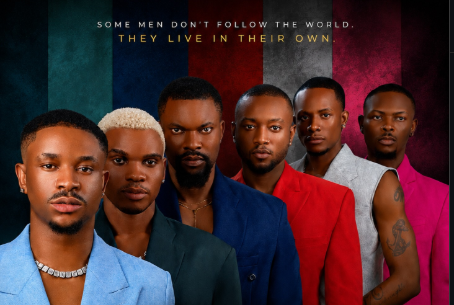
The National Film and Video Censors Board (NFVCB) is determined to get the gay-themed Nigerian series Living in Colours off YouTube. The series had three episodes back online after being taken down.
It first appeared on the Prism House Studio YouTube channel on Sunday, 30 August 2026. This happened even though the NFVCB warned that showing and promoting it would be illegal.
The series released four days after the NFVCB said it was working with security agencies to stop a planned premiere. They also warned exhibitors and promoters not to support the project.
Living in Colours, which has seven episodes, gained over 90,000 views on each episode during its short time online. This was according to the numbers displayed on the channel before the videos were removed.
By 2 September, the series was no longer on the Prism House Studio YouTube channel after streaming for just two days. The removal happened amid an ongoing disagreement between the filmmakers and the country’s film regulator over how the series was classified and its content.
The NFVCB claimed the series was not submitted to them for classification before its public showing. But on 13 September, the LGBT-themed series reappeared on the same YouTube channel, with three episodes streaming again.
It is unclear why the initial episodes were removed. It is not known if YouTube or the filmmakers took them down. There is also no word on whether the NFVCB made a formal request to have the videos removed or why only three of the seven episodes came back.
This new release adds a twist to the ongoing dispute. Initially, the NFVCB focused on stopping a physical premiere in Lagos. Now, the situation has shifted to how the Board regulates Nigerian films on global digital platforms.
The NFVCB insists that Nigerian films released on platforms like YouTube must be classified and registered before they can be shown.
On 26 August, the NFVCB released a statement called “Unauthorised Media Event and Premiere of Unclassified Film ‘Living in Colours’.” They said they were informed about a media press call and movie premiere planned for a cinema in Lagos.
Their early investigations revealed the trailer contained what they called “explicit pornography” and promoted same-sex relationships. The Board said the production was not submitted or classified, warning that showing or promoting it would be illegal.
The NFVCB said it was working with federal and state security agencies to prevent the planned event. They also reached out to the venue, warning that hosting an unclassified film could lead to penalties, including sealing the facility and revoking its operating licence.
The Board said it would take legal action against the production company, producers, and promoters involved. However, they have not said if these legal actions have started or provided details.
Living in Colours is a Nigerian production from Prism House Studio, with Manuel Ruben as the producer. Tega Idogho and Udo Casciavit directed the series.
The cast includes Solomon James, Gabby John, Kris Shaddy, Khalid Omokalemoh, Mirable Samuel, Temitope Alex, Joshua Eronini, Daniel Nsude, and Emery Ogolo. The series was promoted on social media before its planned premiere and online release.
Living in Colours tells the story of five young flatmates, Jeremy, Chris, Robert, Justin, and Shawn, living in Lagos. They deal with relationships, sexuality, friendship, ambition, and personal challenges.
Justin, an effeminate character, goes out on a date but is attacked by hoodlums who dislike his appearance. Chris, his housemate who does not identify as gay, saves him. Robert, who is self-centered, thinks he found someone attractive. But this meeting turns dangerous when he is kidnapped and beaten.
The story later reveals that Chris planned Robert’s kidnapping to get money for his sick mother. Chris, who appears very masculine and does not identify as gay, gets involved with Justin’s date, a married man. This relationship complicates as the wife gets involved.


Shawn is bisexual and adventurous, facing consequences from his choices. Jeremy gets into an office romance that costs him his job. The series explores personal identity, relationships, friendship, and survival in modern Lagos.
The NFVCB’s actions come as Nigeria has strict laws about films and same-sex relationships. The Same-Sex Marriage (Prohibition) Act of 2013 is a key legal issue.
This Act bans same-sex marriage and civil unions. It also forbids showing same-sex affection in public. The law, signed in January 2014, goes beyond just marriage and covers public displays and activities linked to same-sex relationships.
The NFVCB referred to this Act when warning against Living in Colours. But the Board’s claims about the series’ content and any legal consequences are still pending legal processes.
This dispute raises a question: does a fictional story about same-sex relationships count as public display under the law? This hasn’t been decided in court yet.
Movies and shows often reflect society. They can reveal hidden truths and spark discussions about tough social issues. Living in Colours does this by highlighting questions about sexuality, identity, and relationships.
But it also puts filmmakers in a tough spot. How do you show sensitive issues when they might clash with existing laws?
Same-sex relationships exist in Nigeria despite the strict laws. The real question is whether these realities can be shown on screen without breaking Nigerian laws and the NFVCB’s rules.
For some, the series’ open discussion of sexuality might seem realistic. For others, especially in Nigeria’s conservative setting, it could be seen as inappropriate.
The series’ short time online also brought up another interesting point. Each episode got over 90,000 views before removal. Viewer comments showed some support, raising questions about interest in controversial Nigerian digital content.
But just views and comments don’t prove approval of the content. Some may have watched out of curiosity after the NFVCB’s warning. Others may have liked the story, while some intentionally sought it out for its portrayal of same-sex relationships.
The numbers show audience interest but don’t mean agreement.
Shaibu Husseini, the Executive Director and CEO of the NFVCB, spoke to PREMIUM TIMES about the series release. He said the Board is firm in its decision and will work to have the series taken down.
“The movie promotes same-sex. It is not a film that encourages the art. We have taken all regulatory steps to stop the film, including blocking its premiere in the country.
“We will do everything possible to ensure it is removed from streaming platforms like YouTube. If it has to show, let it be in a place where it is allowed, but not in Nigeria,” he said.
Mr Husseini added, “The movie promotes something illegal. We don’t have a problem with anyone identifying with their sexuality, but it shouldn’t be promoted through entertainment.”


Drop your comment
No comments yet — be the first to drop the gist 👇