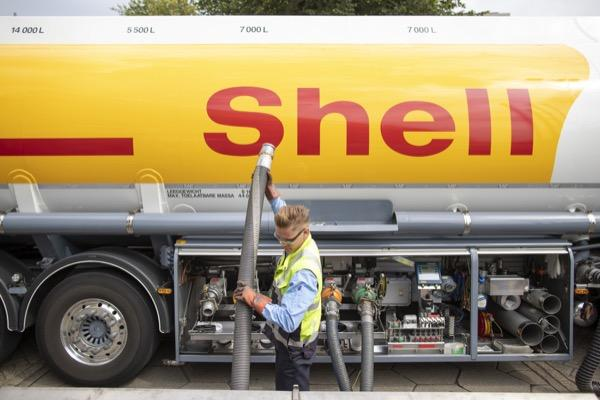
British energy company Shell kept one of its main oil pipelines in Nigeria running for years. This happened even after it received internal warnings about environmental dangers and problems with the pipeline, according to new company documents.
These documents, obtained by the BBC during ongoing legal battles in the UK, include emails, technical assessments, and internal reports. They show that Shell executives often raised concerns about the safety and state of the Nembe Creek Trunk Line (NCTL). This pipeline is important for moving crude oil from inland oilfields to export facilities.
This news comes as attention increases on the long-standing environmental pollution in Nigeria’s Niger Delta. Repeated oil spills have harmed wetlands, mangroves, and fishing communities in the area.
The documents were revealed in a legal case brought by communities around the Niger Delta who want Shell to take responsibility for pollution. This pollution is linked to over 100 oil leaks that happened between 2011 and 2013.
The affected communities are asking for $1 billion in damages. This includes $250 million for compensation and $750 million for cleaning up the environment.
Pipeline Under Fire
The Nembe Creek Trunk Line stretches 96.5 kilometers and runs close to the Bille community, which includes 45 islands. This pipeline connects inland oilfields to export terminals. Shell sold the pipeline last year, but it was one of the largest oil transport systems in Nigeria. It could carry about 150,000 barrels of crude oil each day. Despite this, the pipeline often experienced leaks, vandalism, and crude theft.
A recent visit by PREMIUM TIMES to the Bille community showed residents facing new environmental issues. There are reports of harmful gases coming from beneath their homes and nearby waterways. Community members noted that mangroves and aquatic life like crabs, fish, and periwinkles are vanishing from the area.
A future PREMIUM TIMES investigation will give more details about the environmental situation in this region.
Warnings from 2008
Concerns about the safety of the pipeline have been around for almost 20 years. An email from October 2008 showed that senior executives disagreed about whether the pipeline should keep running outside Shell’s usual technical rules. Markus Droll, Shell’s technical vice-president at the time, warned that another major attack on the pipeline could lead to production shutdowns.
“If there is another massive explosive attack tomorrow… then we could well find ourselves in the situation of simply having to close the production down,” he wrote.
Mr Droll also questioned if there were enough safety measures in place and warned that parts of the pipeline might already be in bad shape. “I don’t agree that funding can be an issue,” he wrote. “Sorry if I sound like a broken record on this, but the approach makes me, as your Technical VP, pretty uncomfortable.”
Ann Pickard, Shell’s regional executive vice-president at the time, replied by scolding him for not marking the email as “legally privileged.” She warned that his comments could put the company in a tough spot legally. Still, she admitted the decision was hard but said continuing operation posed a “lower risk to both people and environment.”
2012 Assessment of Risks
A secret document from 2012 that the BBC obtained showed that Shell labeled parts of the pipeline as “red.” This is the company’s highest-risk level due to many illegal tapping points made by oil thieves. According to Shell’s own rules, such a classification should have led to either immediate shutdown or corrective action.
Despite this, executives allowed the pipeline to keep running. They argued that stopping the pipeline would just lead to more illegal connections elsewhere. Shell told the BBC that decisions were made in a challenging operating environment marked by large-scale crude theft, illegal refining, and militant activities.
Concerns About Audits
In another internal exchange from February 2013, senior staff discussed the need for an audit on pipeline management and oil theft responses from 2009 to 2012. Vincent Holtam, then general manager for onshore assets at Shell’s Nigerian branch, warned against the audit.
“I have no doubt that this audit will come out as unacceptable, in which case we may be very exposed in disputing any oil loss claims from the government or compensation claims from the community,” he wrote. The documents do not say if the audit was ever done.
The following month, Shell started a confidential internal review called Project Madrid to check pollution management options. This internal report estimated that around 100 illegal refineries were operating near the pipeline. It said pollution affected about 9,000 hectares of land and water. It also showed clean-up teams responding to 18 reported spills from an estimated 60 illegal tapping points. The records do not mention which clean-up option executives chose, though pipeline operations resumed after temporary shutdowns in 2013.
Shell’s Response
Shell insists the documents do not fully show the reality of operating in the Niger Delta. A company spokesperson told the BBC, “The documents selected are presented without the critical context of the operating environment in the Niger Delta at the time.”
“In isolation, they do not reflect the challenges of working against the backdrop of widespread organised criminality.” The company claims that large-scale oil theft, sabotage, and illegal refining caused much of the pollution. They also say they have invested a lot in monitoring, spill response, and protecting their infrastructure.
Shell added that some members of the Bille community were involved in oil theft, but community representatives have denied this.
History of Environmental Issues
Shell has been in Nigeria for decades through its subsidiary, Shell Petroleum Development Company of Nigeria Limited (SPDC). While its work has brought in a lot of money for Nigeria, it has also faced criticism for causing environmental damage, legal issues, and conflicts with communities.
The United Nations says that at least 13 million barrels of crude oil have spilled in about 7,000 incidents since Shell sent its first shipment of Nigerian crude in 1958. Activists have long called for accountability from international oil companies in the Niger Delta. One of the most famous critics was writer and environmental activist Ken Saro-Wiwa. He led campaigns against pollution in Ogoniland before his execution by Nigeria’s military government in 1995. In recent years, Shell has lost several court cases, including a key 2021 ruling in a Dutch court that ordered compensation payments to Nigerian farmers affected by oil pollution.
Drop your comment
No comments yet — be the first to drop the gist 👇